wægn, m.n: a wagon, wain, carriage, vehicle. (WAEYN / ˈwæjn)
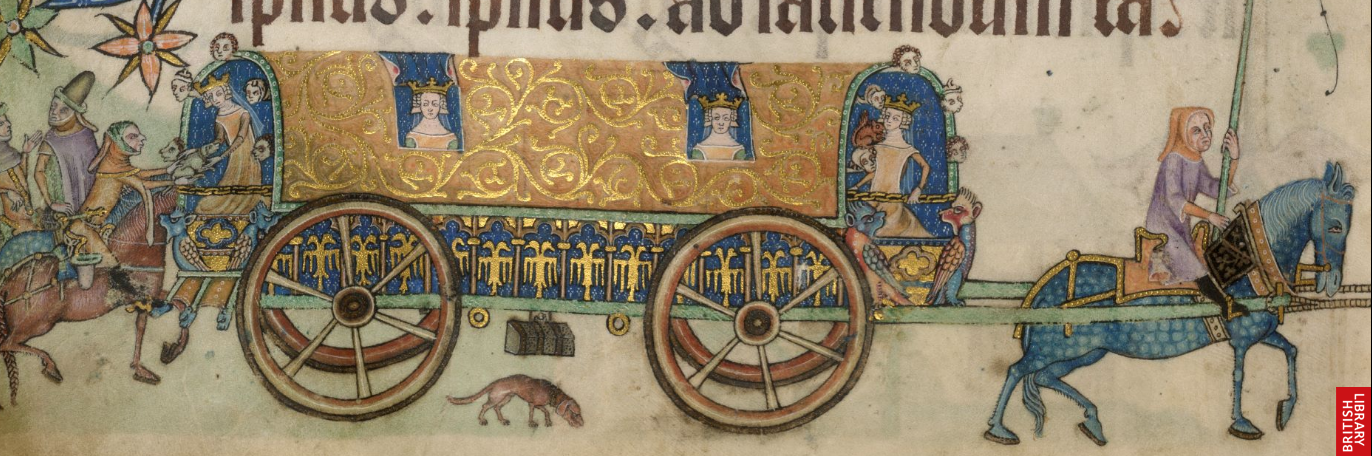
wægn, m.n: a wagon, wain, carriage, vehicle. (WAEYN / ˈwæjn)
tynder, f.n: tinder, fuel (lit. and fig.); a burner, an implement which burns. (TUN-der)
hēaðu-sigel, m.n: the sun (lit. sea-sun, perhaps from seeing the sunrise or set over the sea). (HAY-ah-thuh-SI-yell)
mūs, f.n: mouse. (MOOS / ˈmuːs)

under-bæc, adv: backwards; marking retreat, back; behind. (UN-der-BACK)
twi-fēte, adj: two-footed. (TWI-FAY-teh)
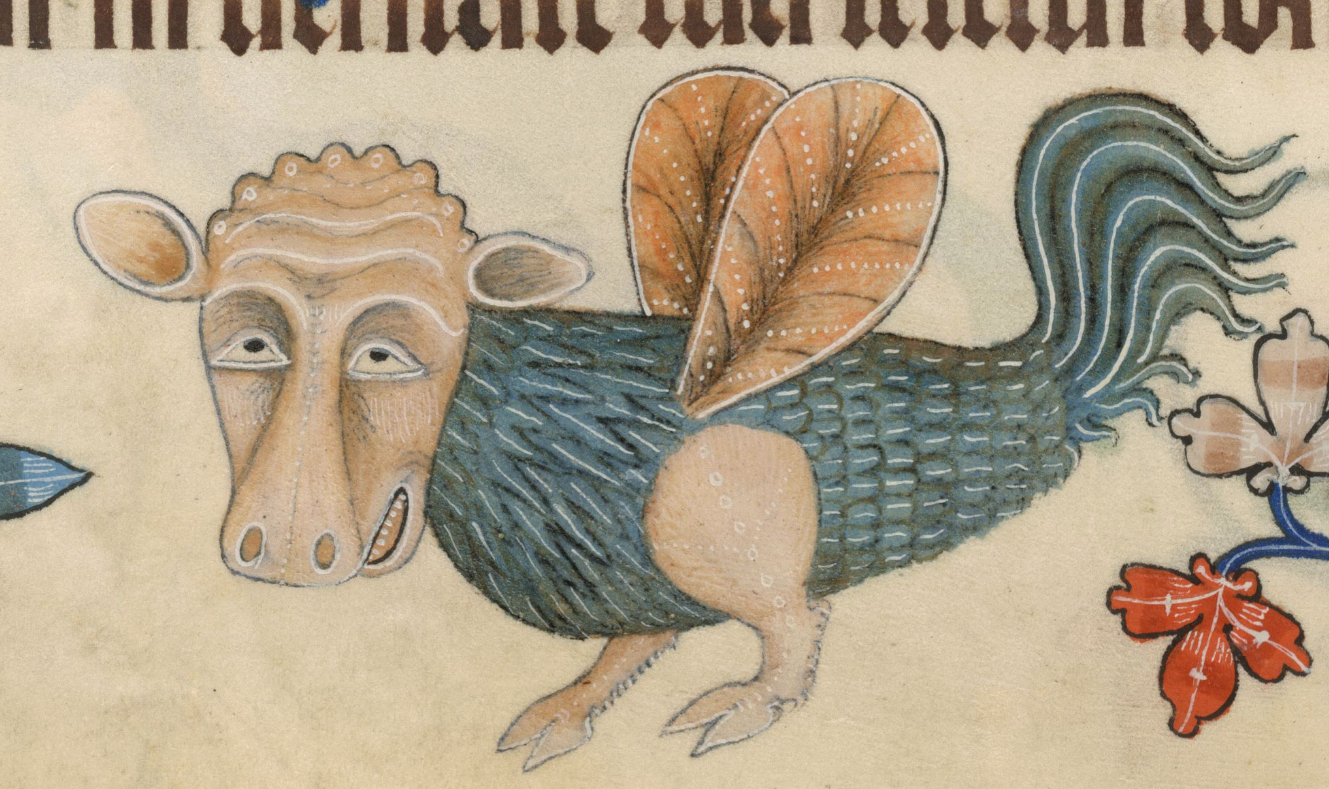
mildheortness, f.n: mercy, compassion. (MILD-HEH-ort-ness / ˈmɪld-ˌhɛɔrt-nɛs)
This week’s Wordhord Wednesday discover the most popular words of 2018! Visit Patreon.
ofer-gedrync, n.n: excessive drinking or feasting. (OH-ver-yeh-DRUNCH / ˈɔ-vɛɹ-jɛ-ˌdɹɝntʃ)
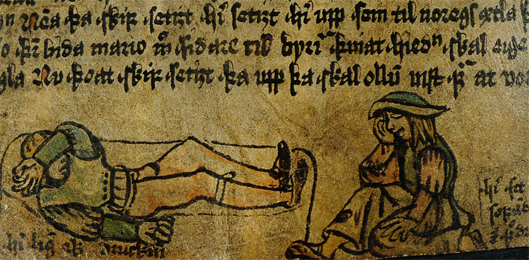
ealo-wōsa, m.n: drunkard, swiller of ale. (AY-ah-lo-WO-za)
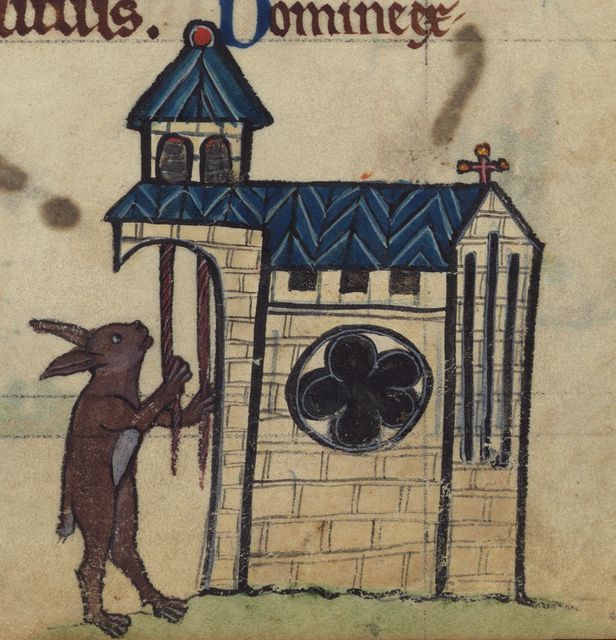
cyric, f.n: a church. (KUR-ich)
 Old English Wordhord
![[commons.wikimedia.org]](https://commons.wikimedia.org/wiki/File:Drunk_15th_century_Icelanders.png)