gebed-mann, m.n: one who prays; (specifically) cleric. (yeh-BED-MAHN / jɛ-ˈbɛd-ˌman)
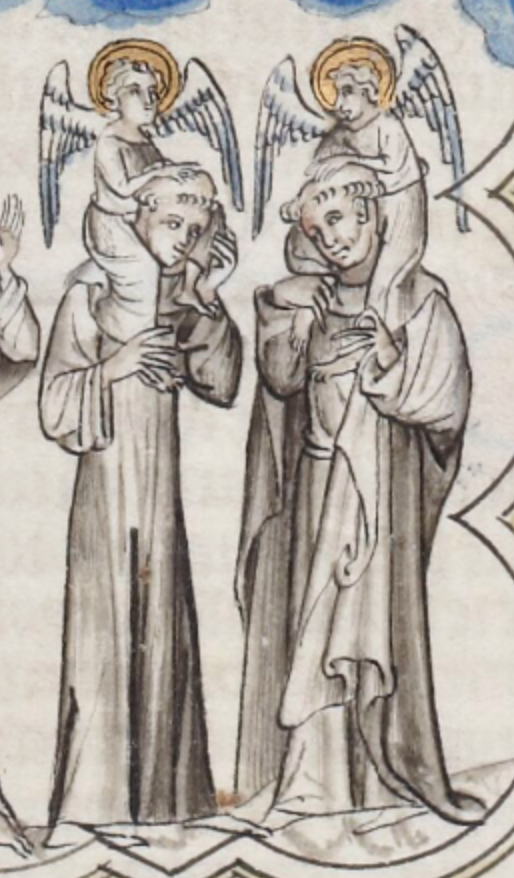
gebed-mann, m.n: one who prays; (specifically) cleric. (yeh-BED-MAHN / jɛ-ˈbɛd-ˌman)
fyrd-mann, m.n: one who fights, soldier. (FUERD-MAHN / ˈfyrd-ˌman)
weorc-mann, m.n: one who works, a labourer. (WEH-ork-MAHN / ˈwɛɔrk-ˌman)
web-wyrhta, m.n: ‘cloth-worker’, a fuller, a worker who cleanses wool through the process of fulling. (WEB-WUER’H-ta / ˈwɛb-ˌwyrx-ta)
bēag-gyfa, m.n: giver of treasure, lord. (BAY-ahg-YUE-va / ˈbeːag-ˌjy-va)
cifes, f.n: concubine, with reference both to the formal legal status of concubinage and to unlawful sexual relationships (the distinction is difficult to make with certainty in some cases). (CHIV-ess / ˈtʃɪ-vɛs)
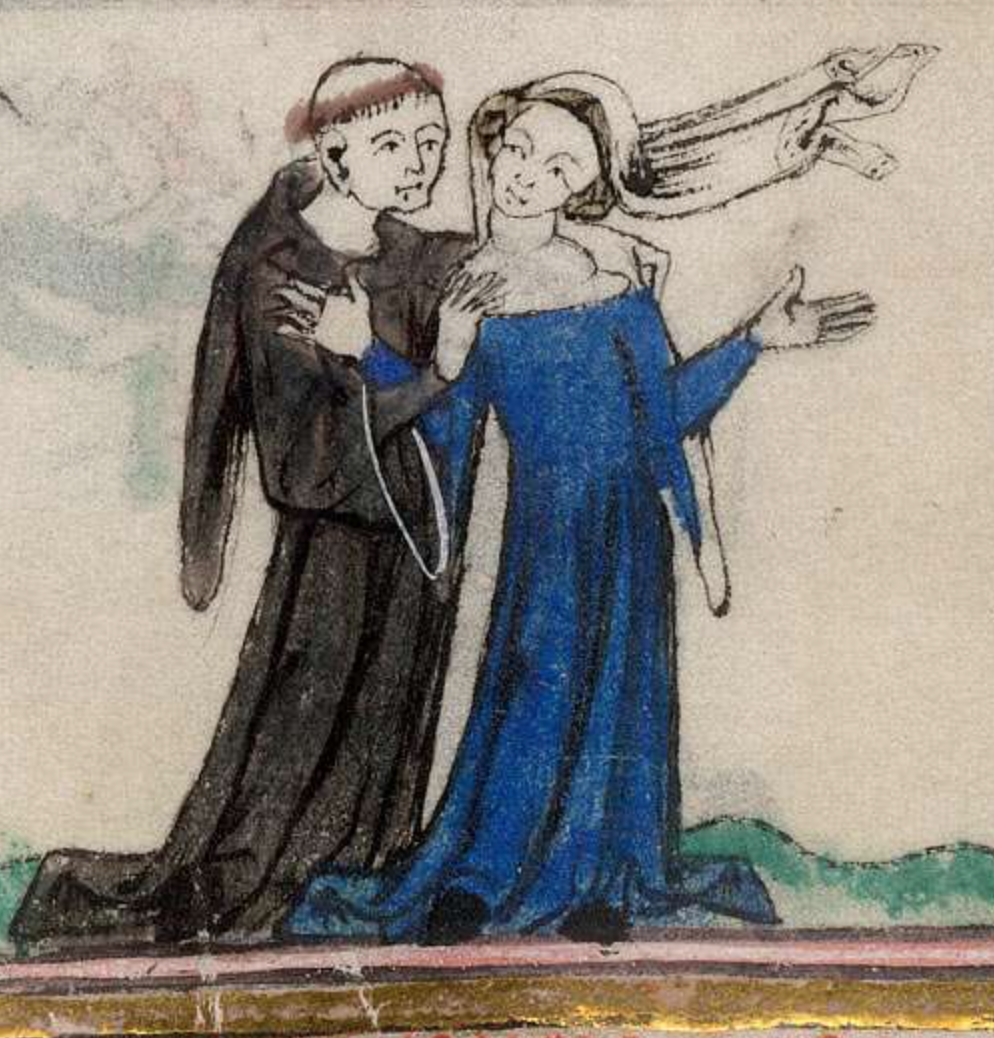
mōtere, m.n: one who addresses a meeting. (MO-teh-ruh / ˈmoː-tɛ-rə)
ambiht, m/n.n: servant, attendant, one who serves; officer; disciple; service, ministry. (AHM-bi’ht / ˈam-bɪxt)
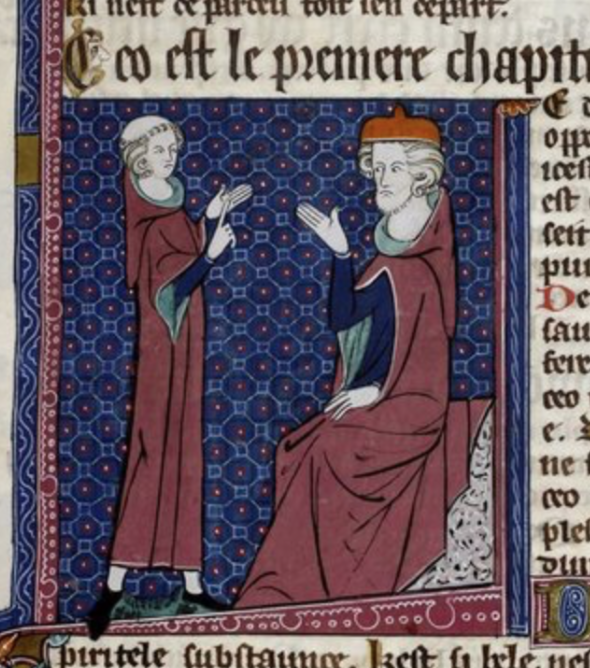
cyne-hlāford, m.n: royal lord, lord and king. (KUE-nuh-H’LAW-vord / ˈky-nə-ˌhlaː-vɔrd)
tācor, m.n: a husband’s brother, brother-in-law. (TAH-kor / ˈtaː-kɔr)

