fēa-sceaftig, adj: poor, destitute. (FAY-ah-SHAY-ahv-tee)
Patrons, you have one week to send me your requests for Goldgifa Week! Find out more on Patreon.
fēa-sceaftig, adj: poor, destitute. (FAY-ah-SHAY-ahv-tee)
Patrons, you have one week to send me your requests for Goldgifa Week! Find out more on Patreon.
hell-grund, m.n: the depth of hell. (HELL-grund)
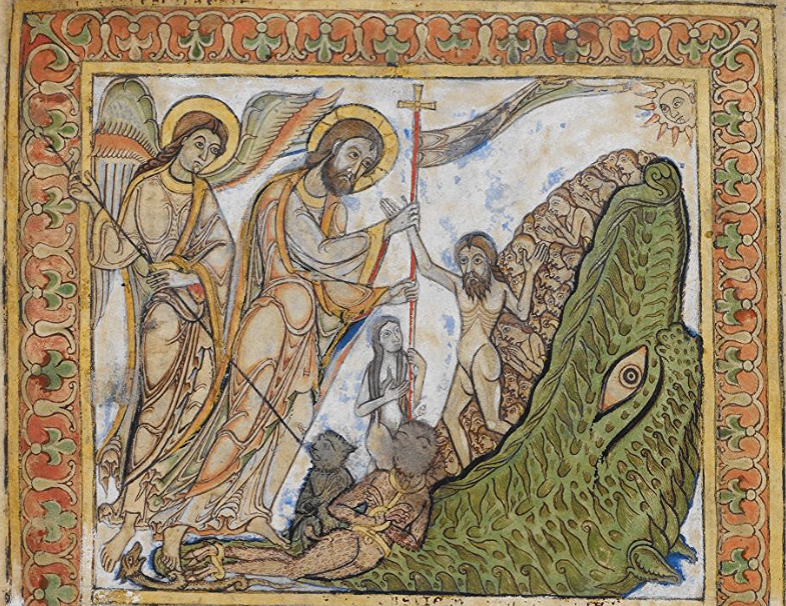
ge-mōdsumnes, f.n: agreement, concord. (yeh-MODE-sum-ness)
This week’s Wordhord Wednesday post is ‘What does your birth-moon say about you?’. Read it on Patreon.
gēo-gēara, adv: of old. (YAY-oh-YAY-ah-ra)
mīðan, str.v: to conceal, dissemble; to be concealed, lie hid; to avoid, refrain from, forbear. (MEE-thon)
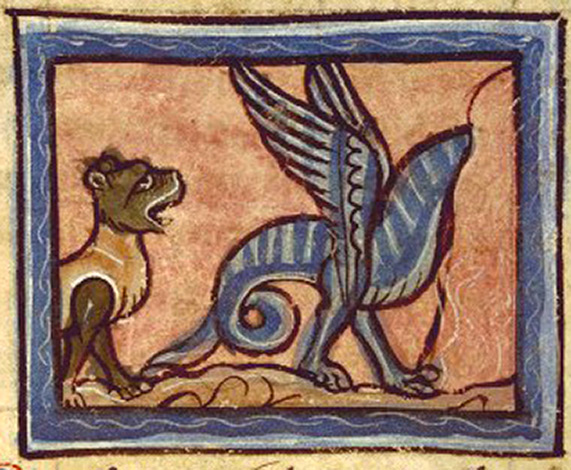
mid-sprecende, adj: speaking on behalf of. (mid-SPRECH-en-deh)
ofer-genga, m.n: one who goes over or beyond, a traveller. (OH-ver-GENG-ga / ˌɔ-vɛr-ˈgɛŋ-ga)
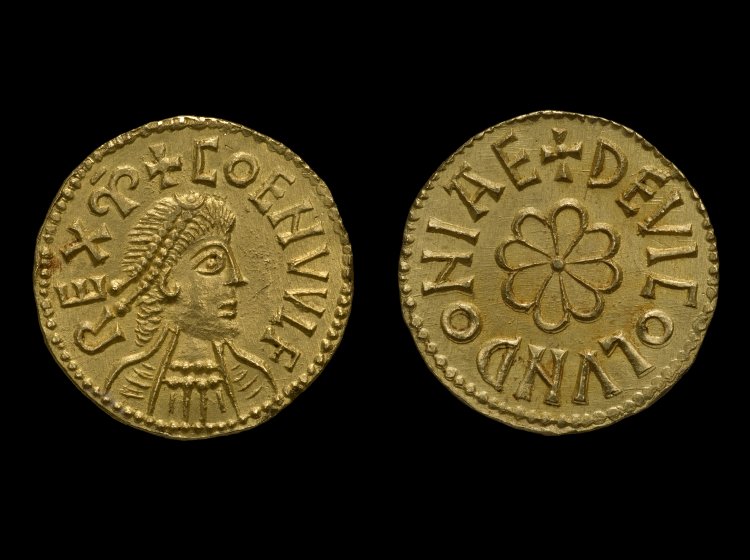
mynet, n.n: a coin; coinage, money. (MUH-net)
scearp-sīne, adj: sharp-sighted. (SHAY-arp-SEE-neh)
ge-hyþnes, f.n: opportunity. (yeh-HUTH-ness)
This week’s Wordhord Wednesday post has Jesus getting mad and a name puzzle. Read it on Patreon.
 Old English Wordhord