ǣ-lǣrende, v: teaching the law. (AE-LAE-ren-duh / ˈæː-ˌlæː-ɹɛn-də)
ungemet-hleahtor
ungemet-hleahtor, m.n: immoderate laughter. (UN-yeh-met-H’LEH-ah-tor / ˈʌn-jɛ-mɛt-ˌhlɛax-tɔr)
frēo-noma
frēo-noma, m.n: a surname, a noble name. (FRAY-oh-NO-ma / ˈfreːɔ-ˌno-ma)
horsc
horsc, adj: quick, ready, active, valiant, applied generally to mental activity; wise, sagacious, sharp, quick-witted. (HORSH / ˈhɔrʃ)
ge-cow
ge-cow, n.n: what is chewed, food. (yeh-KOH / jɛ-ˈkɔw)
hnecca
hnecca, m.n: a neck, nape of the neck, back of the head. (H’NEH-ka / ˈhnɛ-ka)
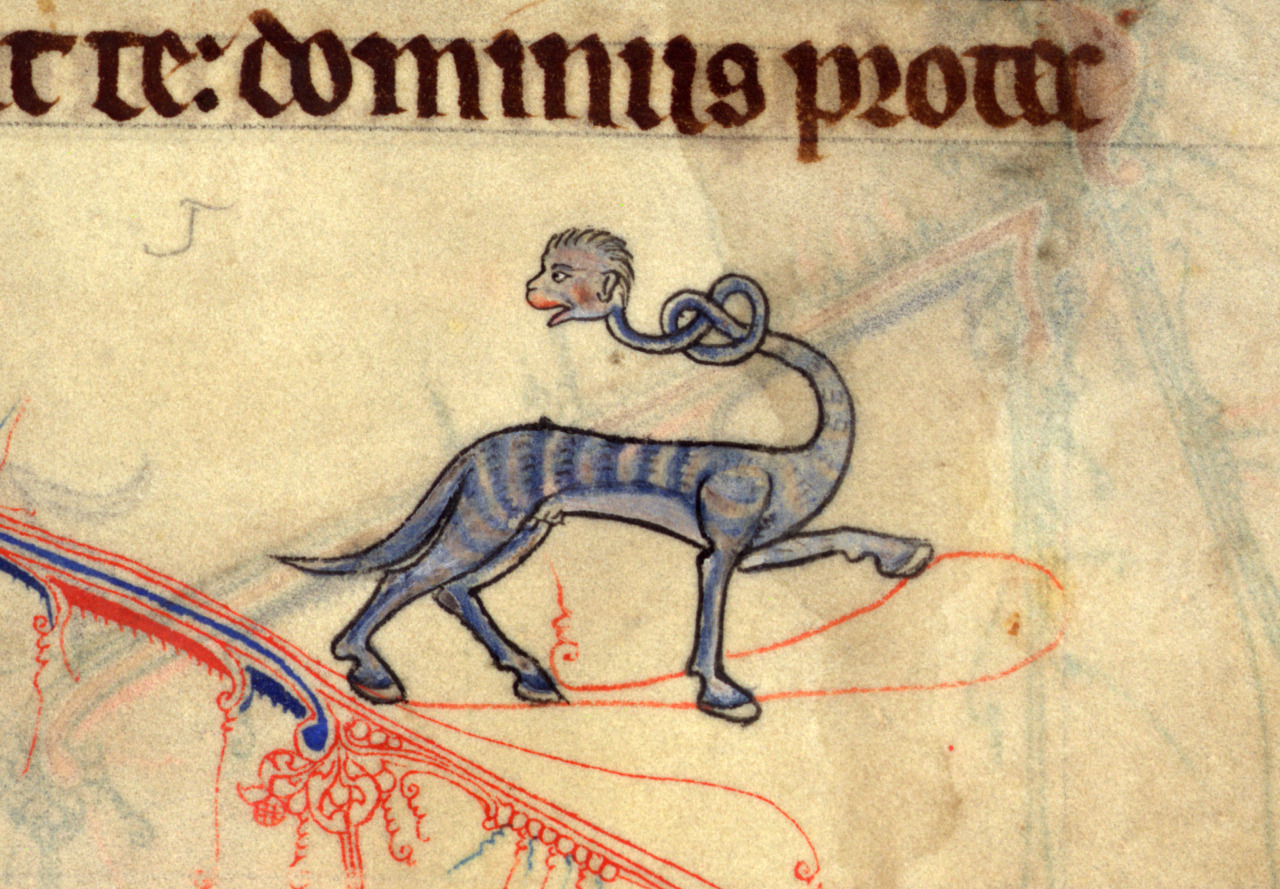
frēorig-ferþ
frēorig-ferþ, adj: sad in soul. (FRAY-oh-rih-FERTH / ˈfreːɔ-rɪj-ˌfɛrθ)
In this week’s Wordhord Wednesday post I read a passage about Beowulf and the lig-draca, the fire-dragon. Hear it on my Patreon page.
ge-corenscipe
ge-corenscipe, m.n: election, excellence. (yeh-KOR-en-SHIP-uh / jɛ-ˈkɔ-ɹɛn-ˌʃɪ-pə)
un-riht
un-riht, adj: wrong, evil, bad, unjust, unlawful, depraved, perverse. (UN-RI’HT / ˈʌn-ˌrɪxt)
līg-draca
līg-draca, m.n: ‘flame-dragon’, fire-breathing dragon. (LEE-DRAH-ka / ˈliːj-ˌdra-ka)

 Old English Wordhord