wīte-þēow, m.n: one condemned to slavery for crime, or from inability to pay the fines incurred from that crime; (figuratively) one in hell. (WEE-teh-THAY-oh)
esne-wyrhta
esne-wyrhta, m.n: a hireling, mercenary. (EZ-neh-WURH-ta)
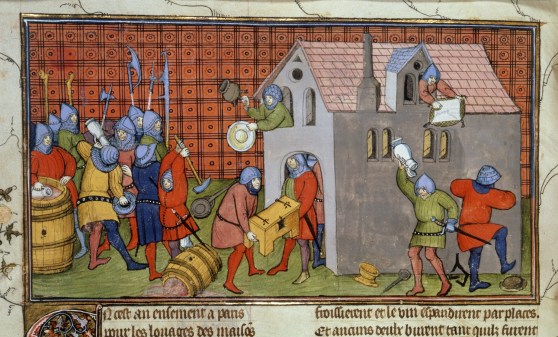
Chroniques de France ou de St Denis (from 1270 to 1380). France (Paris), late 14th century (after 1380). British Library, Royal 20 C VII, f. 41v. [bl.uk]
wrenc-wīs
wrenc-wīs, adj: unjust, unrighteous. (WRENCH-WEES / ˈwɹɛntʃ-ˌwiːs)
This week’s Wordhord Wednesday post is on the one victory-queen in Old English literature. Read and hear it on Patreon.
cōfincel
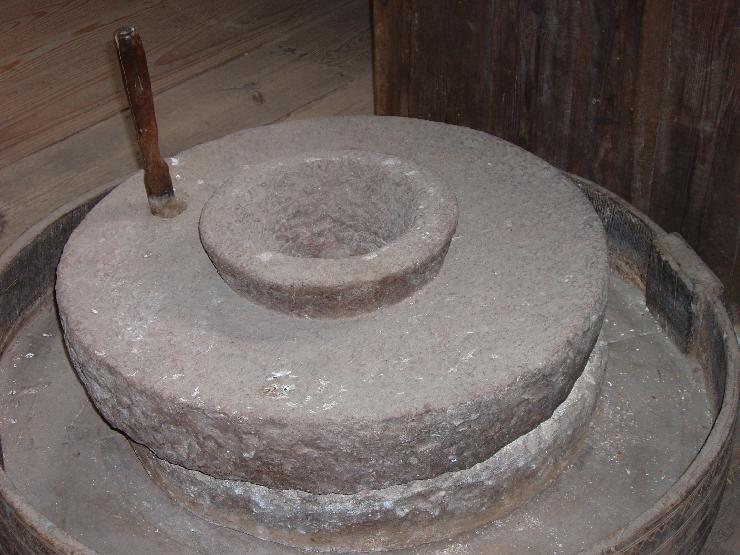
cōfincel, n.n: a hand-mill. (KO-vin-chull / ˈkoː-vɪn-tʃəl)
wann-fȳr
wann-fȳr, n.n: lurid fire. (WAHN-fur)
sige-cwēn
sige-cwēn, f.n: victory-queen, victorious queen. (SIH-yuh-KWAIN / ˈsɪ-jə-ˌkweːn)

folc-firen
folc-firen, f.n: a folk-crime, public crime. (FOLK-fir-en)
Patrons, you have one week to send me your requests for Goldgifa Week! Find out more on Patreon.
bēo
bēo, f.n: a bee. (BAY-oh / ˈbeːɔ)

word-cwide
word-cwide, m.n: a saying, words; speech, language. (WORD-cwid-eh)
nunne
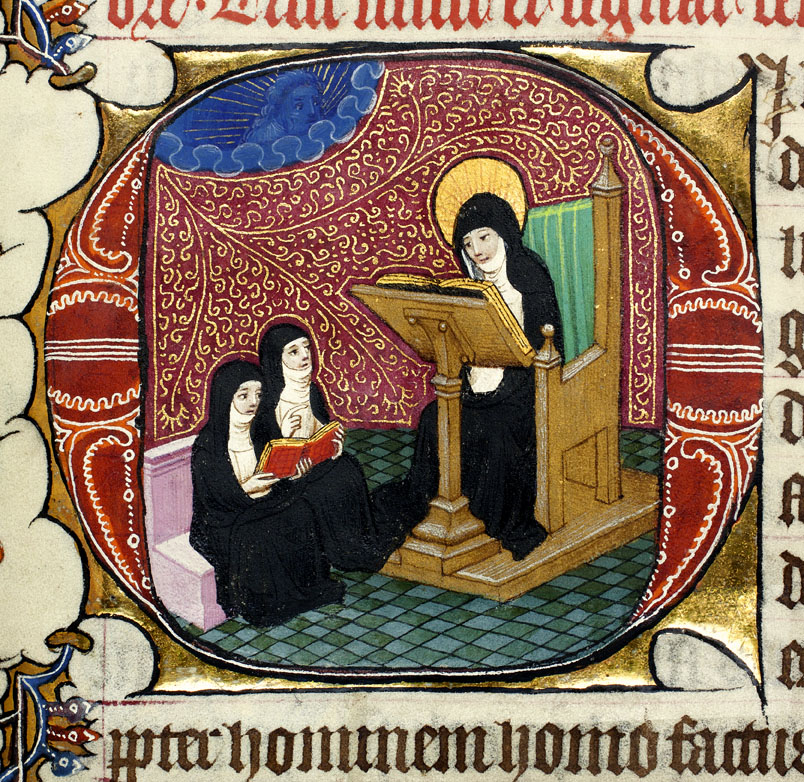
nunne, f.n: a nun. (NUN-nuh / ˈnʌn-nə)
This week’s Wordhord Wednesday post is on St Augustine’s arrival in England. Read it on Patreon.
 Old English Wordhord