ellen-sīoc, adj: infirm or languid from want of strength, deprived of strength, powerless (lit. ‘strength-sick’). (EL-len-ZEE-ock)
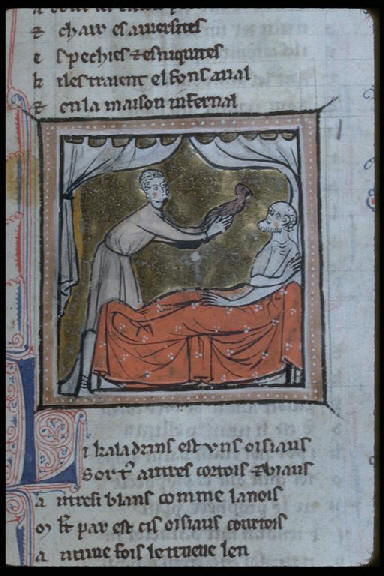
ellen-sīoc, adj: infirm or languid from want of strength, deprived of strength, powerless (lit. ‘strength-sick’). (EL-len-ZEE-ock)
magu-þegn, m.n: a thane, vassal, follower, retainer, warrior, servant. (MA-guh-THAYN)
legbysig, adj: busy with fire, lit. ‘fire-busy’. (LAY-buzz-ee)
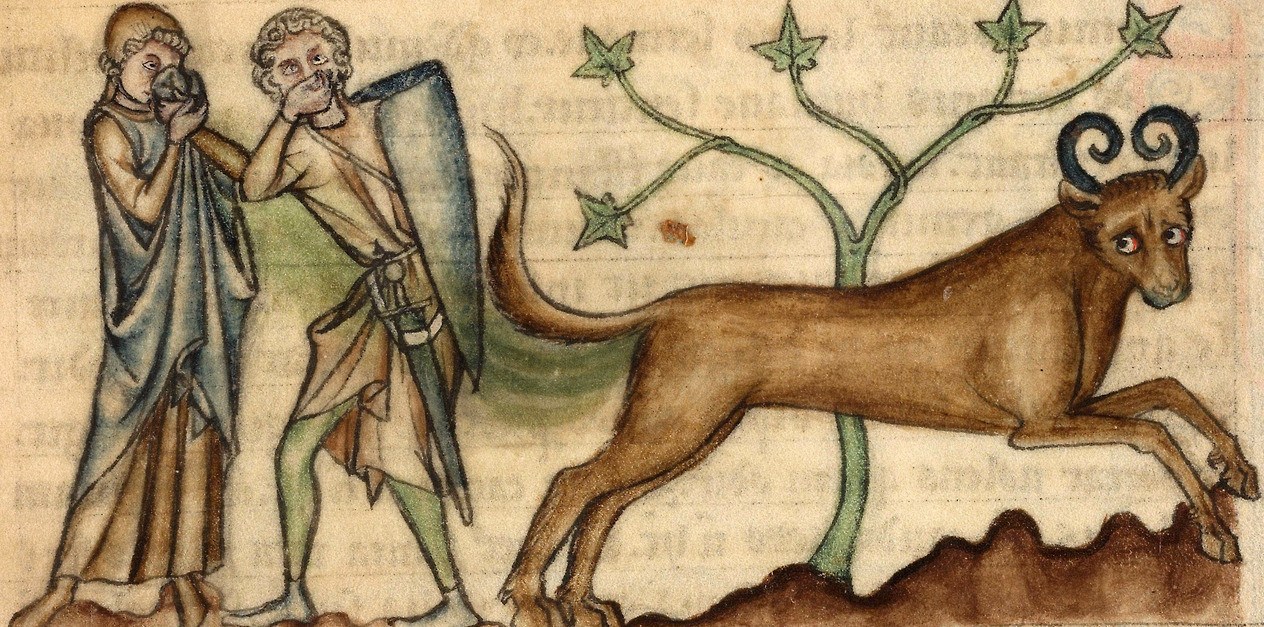
weorf-tord, n.n: dung of beasts. (WAY-orv-TORD)
mǣw, m.n: gull. (MAE-ew / ˈmæːu)
wyrt-fæt, n.n: a scent-bottle. (WURT-FAT)
byrle, m.n: one who pours out drink, cup-bearer. (BUR-leh)
This week’s Wordhord Wednesday post is Riding sea-horses to heaven. Read it on Patreon.

ende-stæf, m.n: end, conclusion (mainly ref. to the end of life). (EN-deh-STAFF)
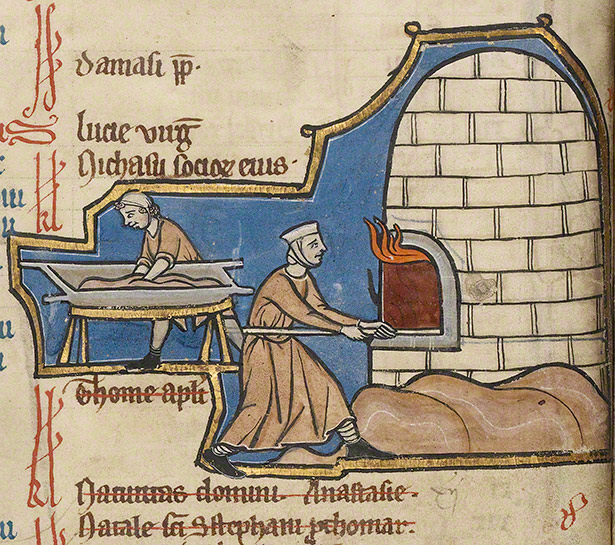
bæcestre, f.n: a baker; (specifically) female baker. (BACK-es-truh / ˈbæ-kɛs-trə)
mǣgwlitian, wk.v: to form, shape. (MAEY-WLI-tee-ahn)

