mægþ, f.n: a maid, virgin, girl, maiden, woman. (MA-eyth)
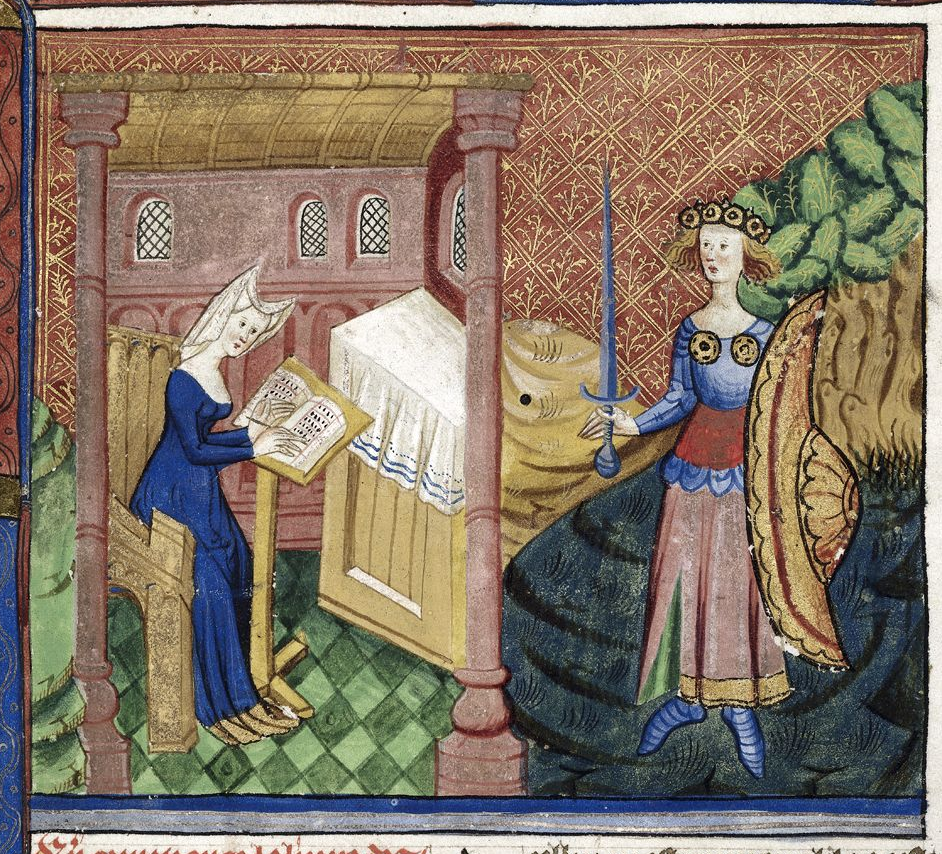
mægþ, f.n: a maid, virgin, girl, maiden, woman. (MA-eyth)
dust-drenc, m.n: a drink made of the seeds of herbs rubbed to dust. (DUST-DRENCH / ˈdʌst-ˌdɹɛntʃ)
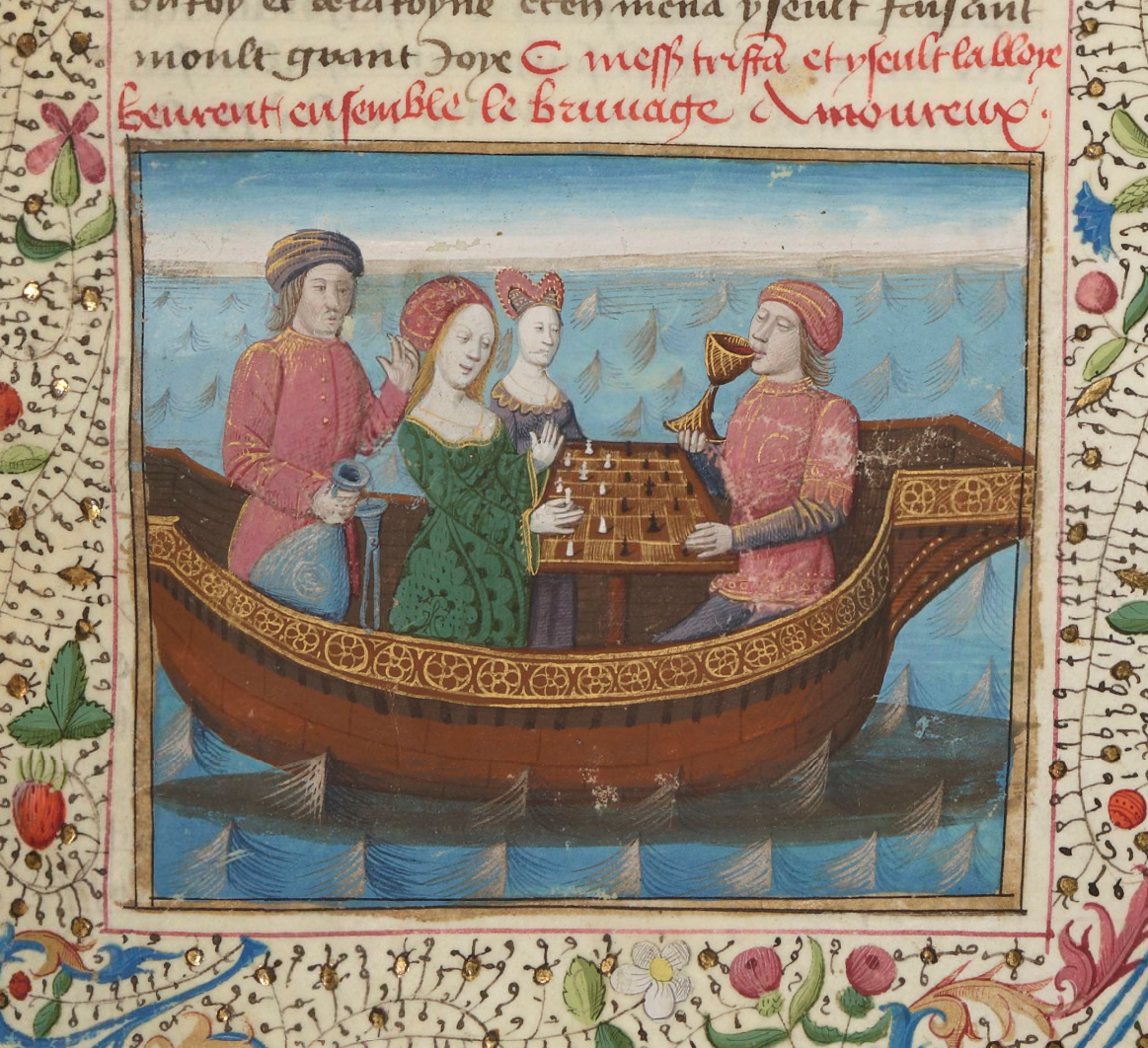
ǣmerge, f.n: embers, ashes; (figuratively) dust. (AM-er-yeh)
This week’s Wordhord Wednesday post is on on harm-hills, available for all to read on Patreon. It’s post #125, and I’m making every 25th post FREE! Go read #25, #50, #75, and #100 while you’re at it.
bæcling, adv: on the back, backwards, behind. (BACK-ling)
plegestre, f.n: a female athlete. (PLEH-yez-treh)
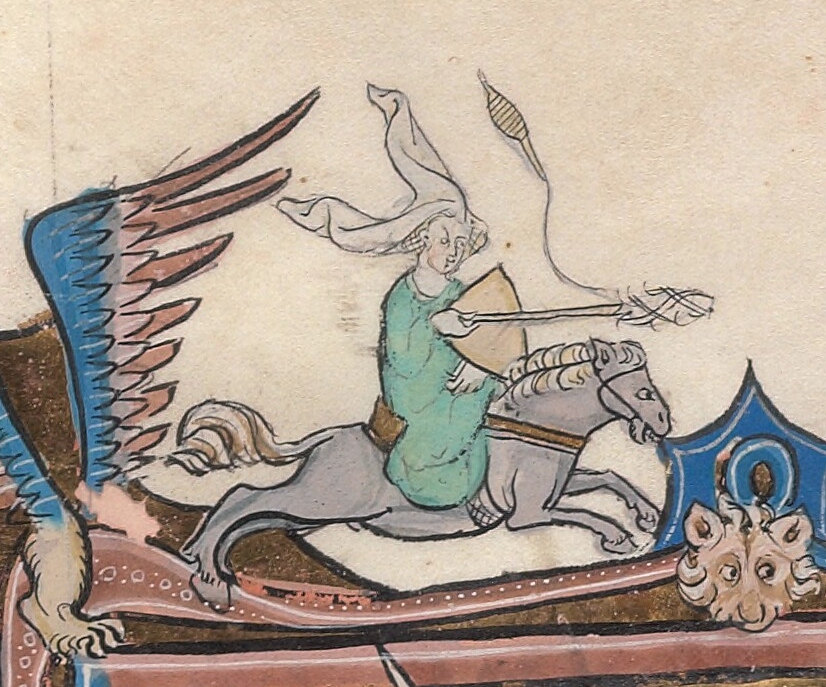
gærs-tūn, m.n: a grass-enclosure, a meadow. (GARZ-TOON)
hearm-beorg, m.n: a hill of calamity or of affliction. (HAY-arm-BAY-org)
regn-wyrm, m.n: an earthworm. (RAIN-WURM)
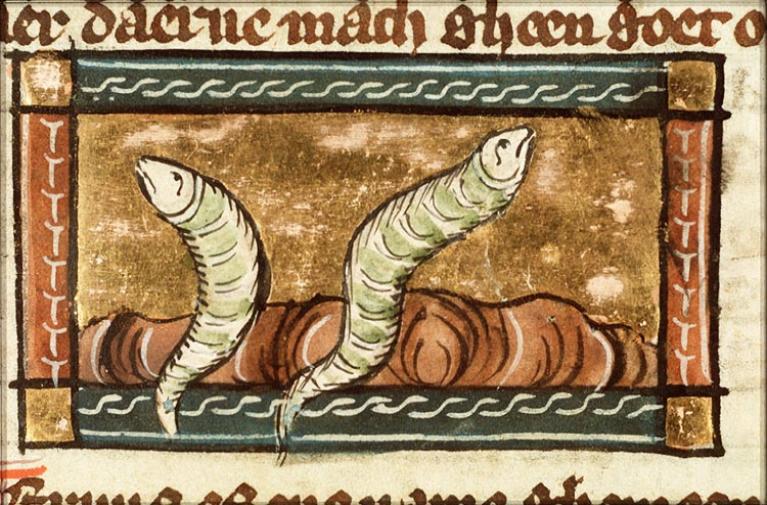
windel-stān, m.n: a tower with a winding staircase. (WIN-del-STAHN)
gāst-genīþla, m.n: a persecutor or foe of souls, the devil. (GAHST-yeh-NEETH-la)
This week’s Wordhord Wednesday post is on Old English professions and surnames. Read it on Patreon.


![[brbl-media.library.yale.edu]](https://brbl-media.library.yale.edu/images/1020584_quarter.jpg)