sēft-ēadig, adj: in easy circumstances, free from hardships. (SAIFT-AY-ah-dih / ˈseːft-ˌeːa-dɪj)
ford
ford, m.n: ford; a shallow place, natural or artificial, across a stream, river or other water, by which a crossing can be made. (FORD / ˈfɔrd)

heofon-wuldor
heofon-wuldor, n.n: heavenly glory. (HEH-oh-von-WULL-dor / ˈhɛɔ-vɔn-ˌwʌl-dɔr)
scill
scill, f.n: a shell, shellfish; the shell of an egg, a scale of a fish, serpent, etc. (SHILL / ˈʃɪl)

dēaw-driās
dēaw-driās, m.n: a fall of dew. (DAY-aw-DRI-ahs / ˈdeːa-ˌdrɪ-aːs)
wan-hoga
wan-hoga, m.n: one who is wanting in understanding, a foolish, imprudent person. (WAHN-HOG-ah / ˈwan-ˌhɔ-ga)
ymb-fæþmian
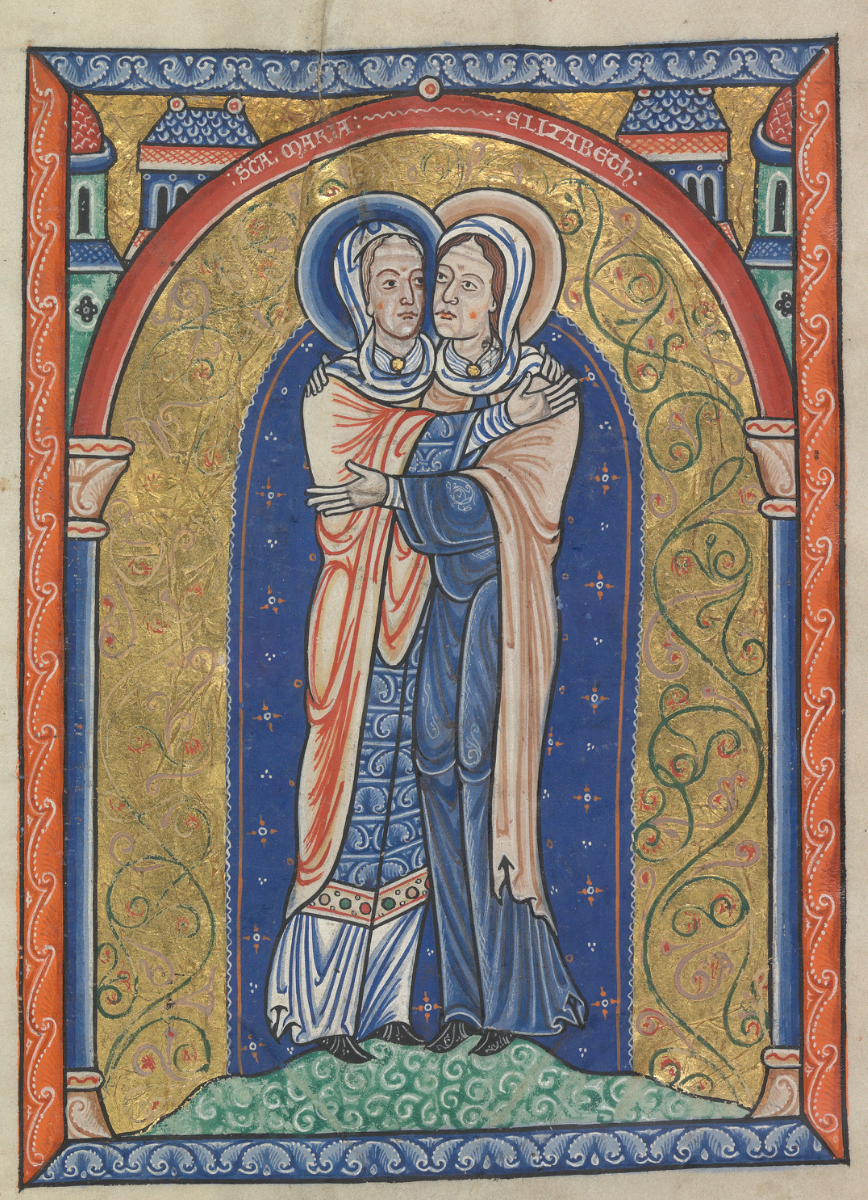
ymb-fæþmian, wk.v: to embrace, clasp. (umb-FATH-mi-ahn / ymb-ˈfæθ-mɪ-an)
Read this month’s Mōnaþ-spell (monthly update) on Patreon.
Note: If you decide to join Patreon, please do it through the website, not through the iOS app. Apple has started charging 30% extra for people who subscribe through the app.
cnep
cnep, m.n: a top, summit. (K’NEP / ˈknɛp)

em-sārig
em-sārig, adj: equally sorry. (EM-SAH-rih / ˈɛm-ˌsaː-rɪj)
gnyrran
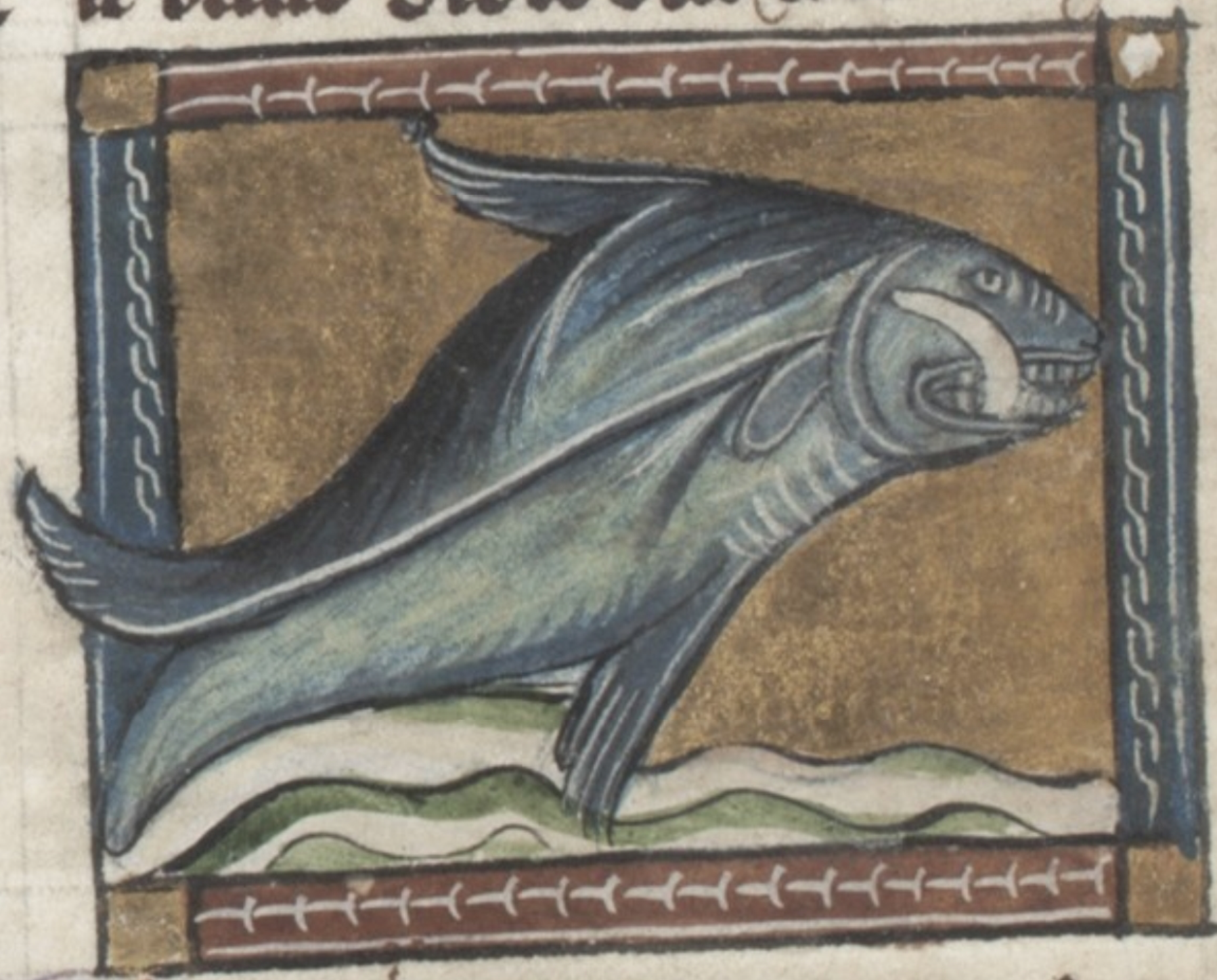
gnyrran, wk.v: (of the teeth) to gnash, grind, chatter. (G’NUR-rahn / ˈgnyr-ran)
 Old English Wordhord
![[commons.wikimedia.org]](https://commons.wikimedia.org/wiki/Category:Psalter_of_Eleanor_of_Aquitaine_(ca._1185)_-_KB_76F13#/media/File:Images_from_the_life_of_Christ_-_The_Visitation,_Mary_meets_St_Elisabeth_-_Psalter_of_Eleanor_of_Aquitaine_(ca._1185)_-_KB_76_F_13,_folium_015r.jpg)