hlǣfdige, f.n: lady, female head of a household (‘bread-maker’). (H’LAV-dih-yuh / ˈhlæːv-ˌdɪ-jə)
hlāford
hlāford, m.n: lord, male head of a household (‘bread-guardian’). (H’LAW-vord / ˈhlaː-vɔrd)
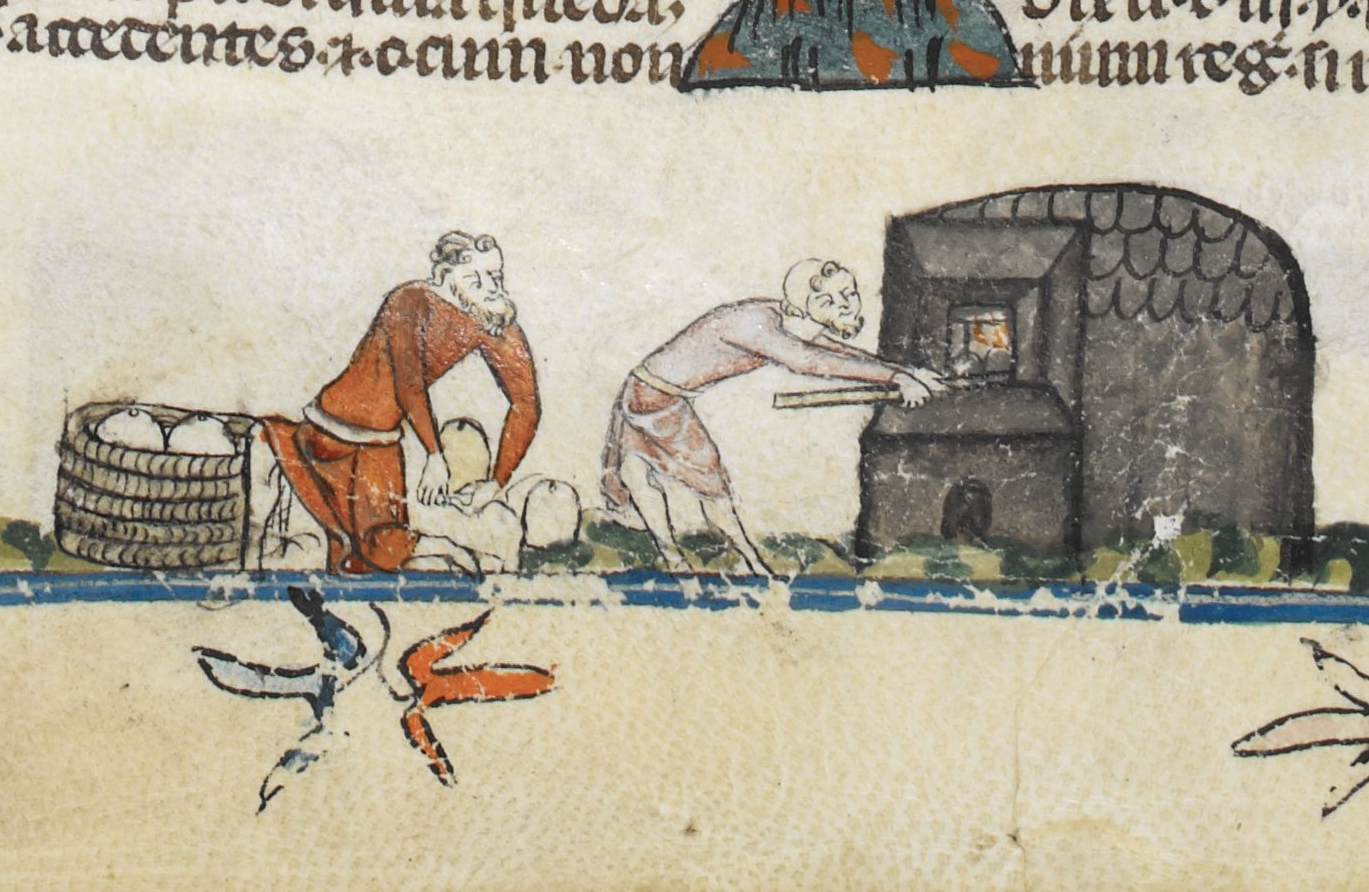
grēatian
grēatian, wk.v: to become enlarged. (GRAY-ah-ti-ahn / ˈgreːa-tɪ-an)
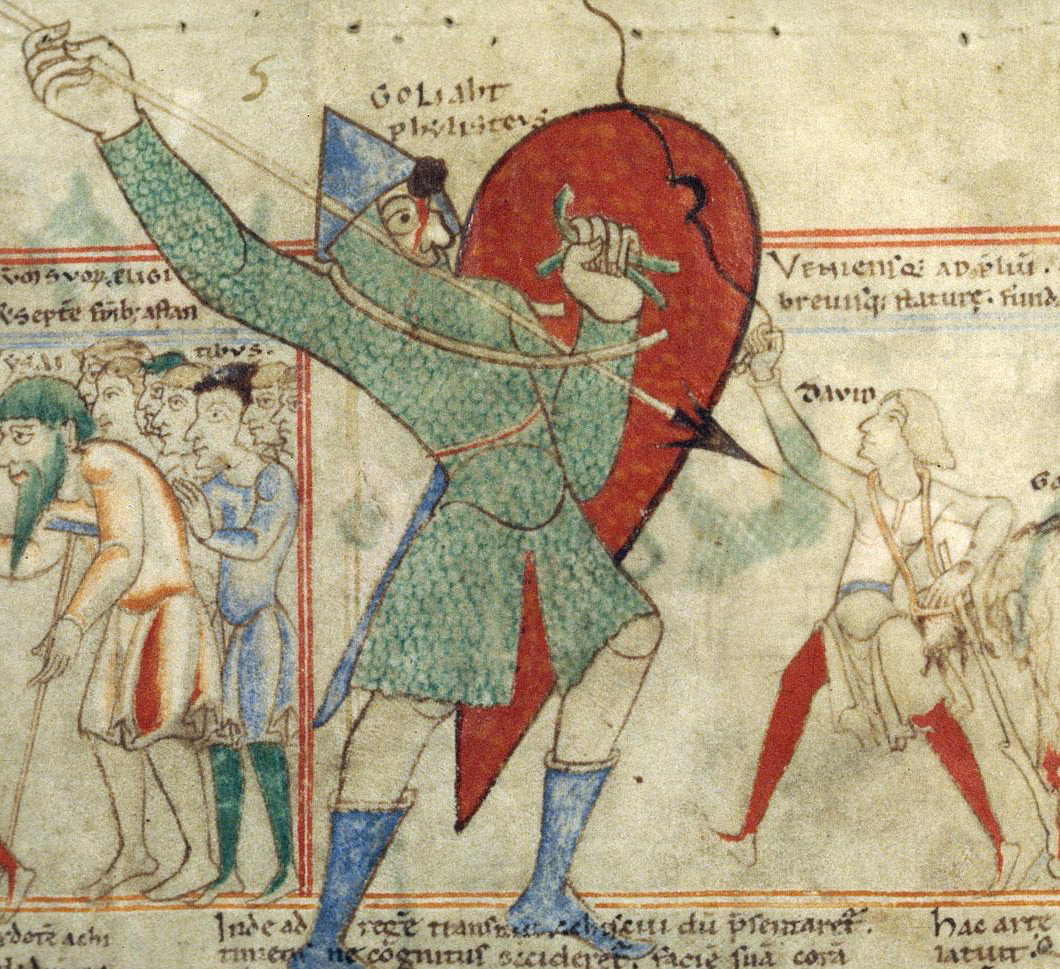
mān-hūs
mān-hūs, n.n: a house of wickedness, hell. (MAHN-HOOS / ˈmaːn-ˌhuːs)
This week’s Wordhord Wednesday post is on deceitful fame. This post is free for non-patrons to read, so check it out on Patreon.
drēam-lēas
drēam-lēas, adj: joyless, sad. (DRAY-ahm-LAY-ahs / ˈdreːam-ˌleːas)
Patrons, don’t forget to send your word requests for Goldgifa Week! Find out more on Patreon.
munt
munt, m.n: hill, mountain. (MUNT / ˈmʌnt)
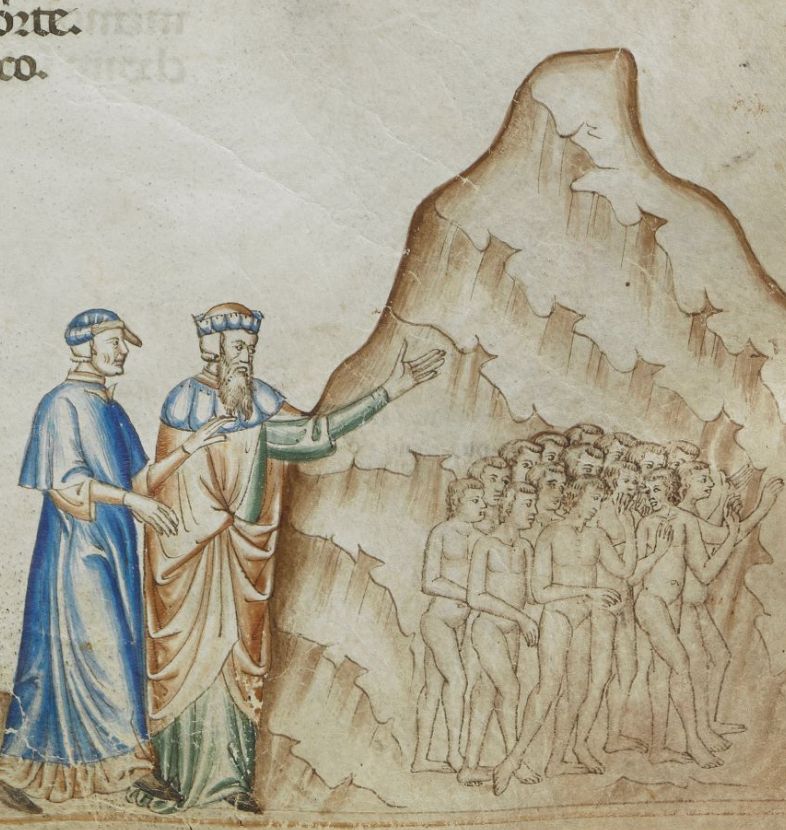
nȳd
nȳd, f/n.n: necessity, need, affliction; name of the N-rune ᚾ. (NUED / ˈnyːd)
a-meldian
a-meldian, wk.v: to betray, make known. (ah-MELL-di-ahn / a-ˈmɛl-dɪ-an)
pearroc
pearroc, m.n: an enclosure. (PEH-ar-rock / ˈpɛar-rɔk)
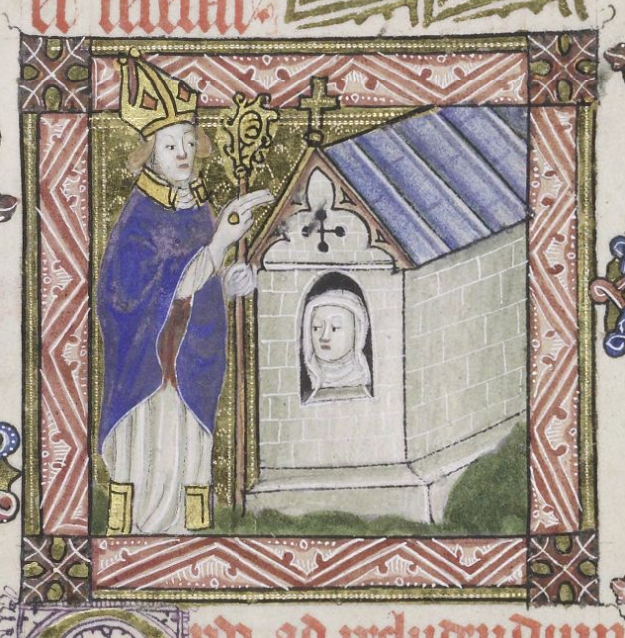
fȳr
fȳr, n.n: fire. (FUER / ˈfyːr)

 Old English Wordhord