gyllan, str.v: (of birds) to make a loud cry, to screech; (of wolves or dogs) to bay, howl; (of inanimate objects) to make a strident, grating, or crashing noise; to yell, utter a loud cry. (YUEL-lahn / ˈjyl-lan)
ge-fætnian
ge-fætnian, wk.v: to fatten, anoint. (yeh-VAT-ni-ahn / jɛ-ˈvæt-nɪ-an)

firen-georn
firen-georn, adj: sinful, wicked (sin-eager). (FI-ren-YEH-orn / ˈfɪ-rɛn-ˌjɛɔrn)
This week’s Wordhord Wednesday post is on counting in Old English. Read it on Patreon.
sēamestre
sēamestre, f.n: one who sews, tailor; (specifically) woman who sews, seamstress. (SAY-ahm-es-truh / ˈseːam-ɛs-trə)
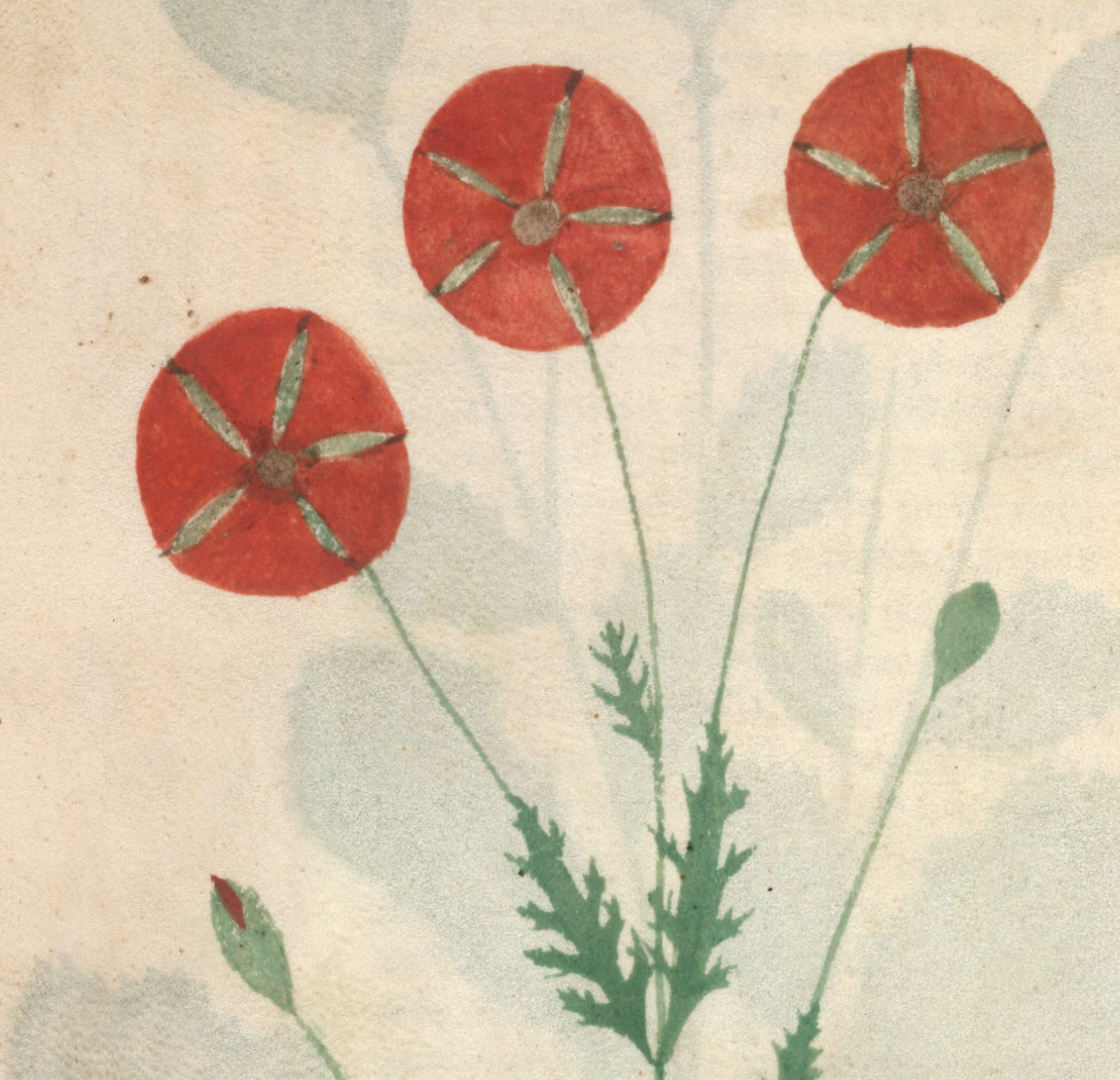
popig
popig, m.n: poppy. (POP-ih / ˈpɔ-pɪj)
lēoþ-wrenc
lēoþ-wrenc, m.n: definition uncertain, perhaps ‘poetic device’; ‘trick in a poem’ or ‘doubtful/spurious passage in a poem’ have also been suggested. (LAY-oth-WRENCH / ˈleːɔθ-ˌwrɛntʃ)
bōc-lār
bōc-lār, f.n: book-learning. (BOAK-LAHR / ˈboːk-ˌlaːr)
nigon
nigon, n/adj/numeral: nine. (NIH-gon / ˈnɪ-gɔn)
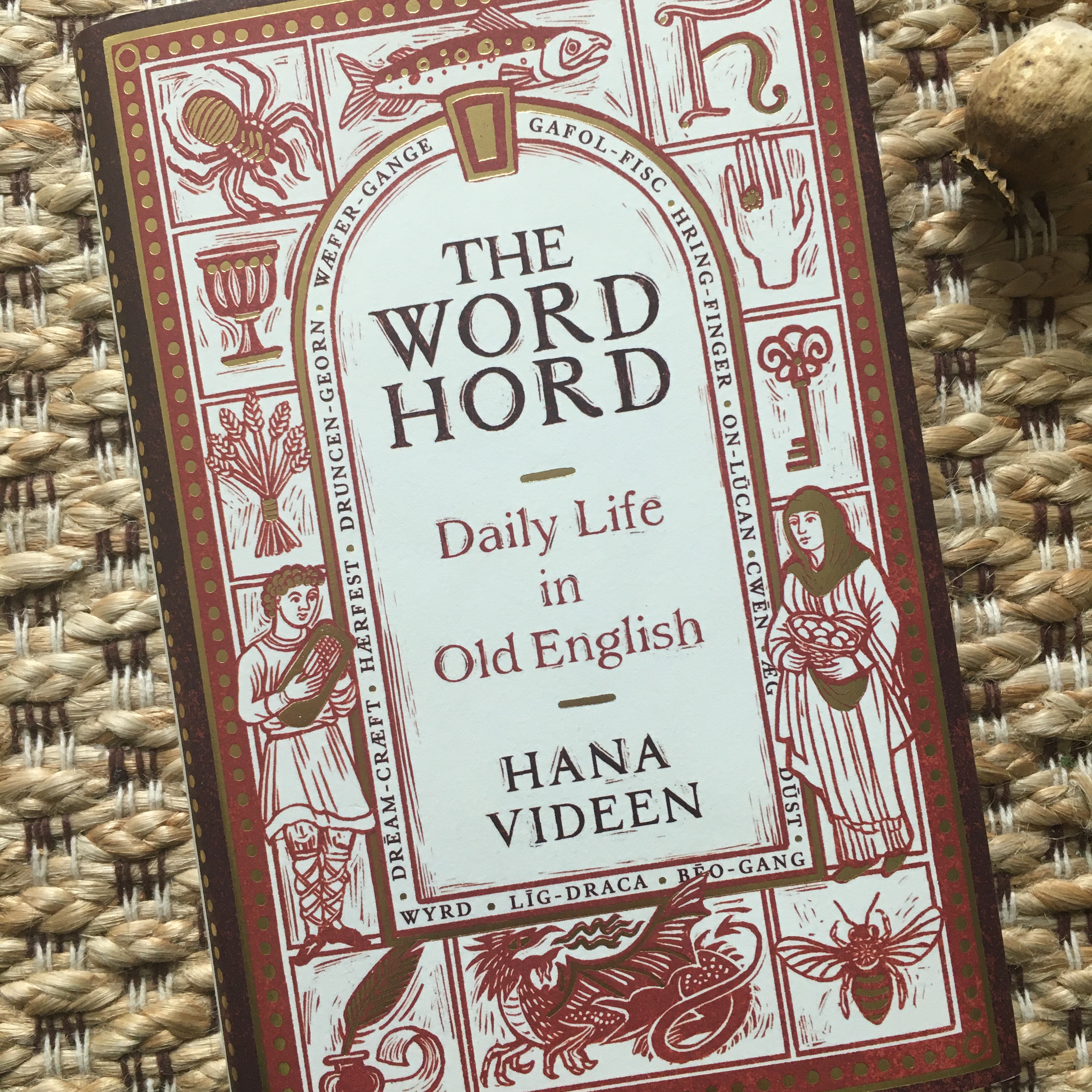
Today is the Old English Wordhord’s 9th anniversary! I’ve been sharing a word every day for 9 years. You can access them all here on this blog or on the iOS Old English Wordhord app.
It’s also the 1 year anniversary for Profile Books’ publication of The Wordhord: Daily Life in Old English. Find out more here.
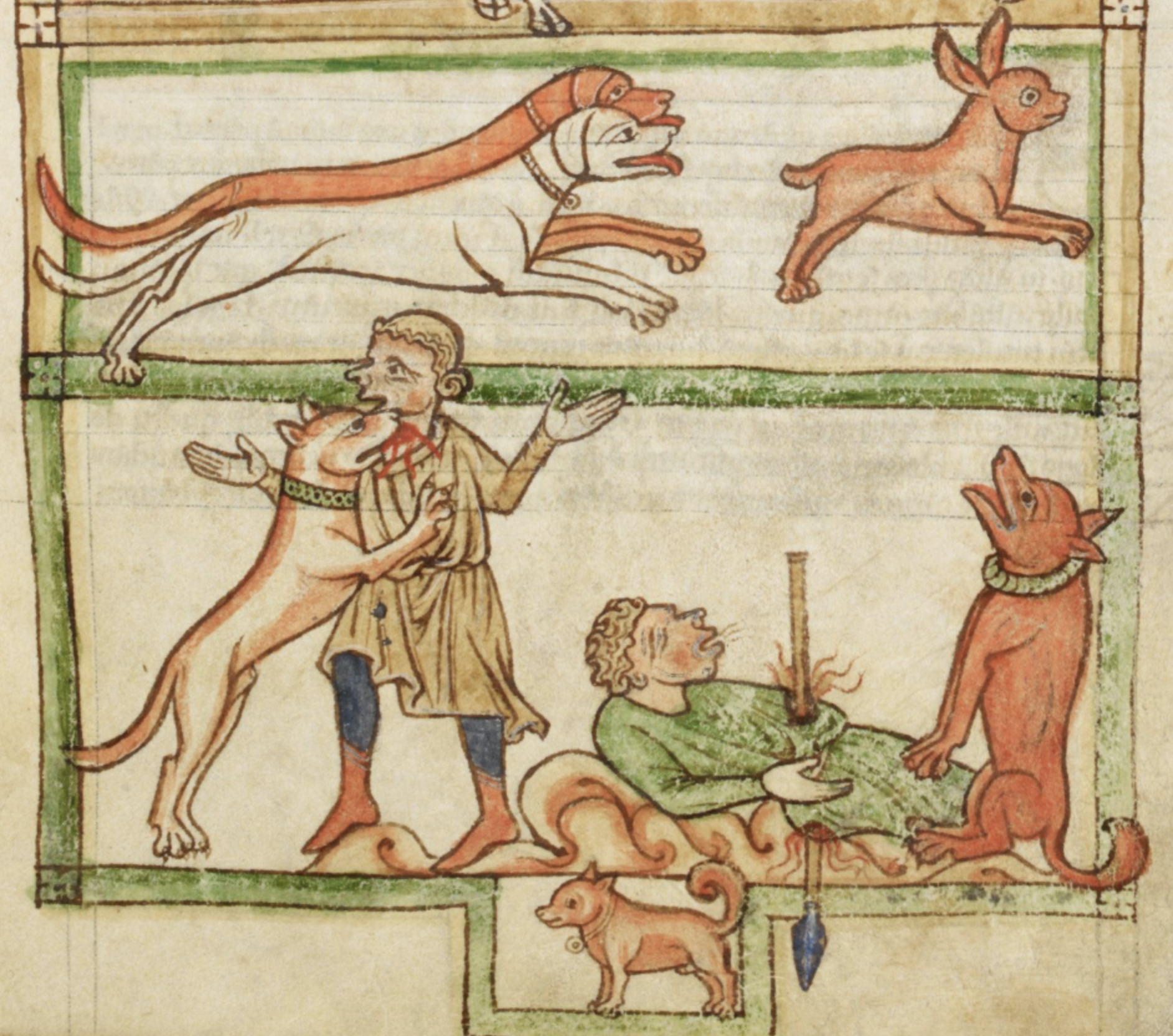
wæl-hwelp
wæl-hwelp, m.n: slaughter-whelp, dog that slays, hunting dog. (WAEL-H’WELP / ˈwæl-ˌhwɛlp)
ge-acsian
ge-acsian, wk.v: to find out by asking, discover, learn, hear. (yeh-AHK-si-ahn / jɛ-ˈak-sɪ-an)
This week’s Wordhord Wednesday post is on soot. Read it on Patreon.
 Old English Wordhord