winter-burna, m.n: a stream that is full in winter (?), a torrent. (WIN-ter-BUR-na / ˈwɪn-tɛr-ˌbʌr-na)
This week’s Wordhord Wednesday post is on the scyte-finger! Read on Patreon.
winter-burna, m.n: a stream that is full in winter (?), a torrent. (WIN-ter-BUR-na / ˈwɪn-tɛr-ˌbʌr-na)
This week’s Wordhord Wednesday post is on the scyte-finger! Read on Patreon.
swift-ryne, m.n: a swift course, rapid running of water. (SWIFT-RUE-nuh / ˈswɪft-ˌry-nə)
wæd, n.n: ford, shallow water, water that may be traversed; (poetic) a body of water, sea. (WAED / ˈwæd)
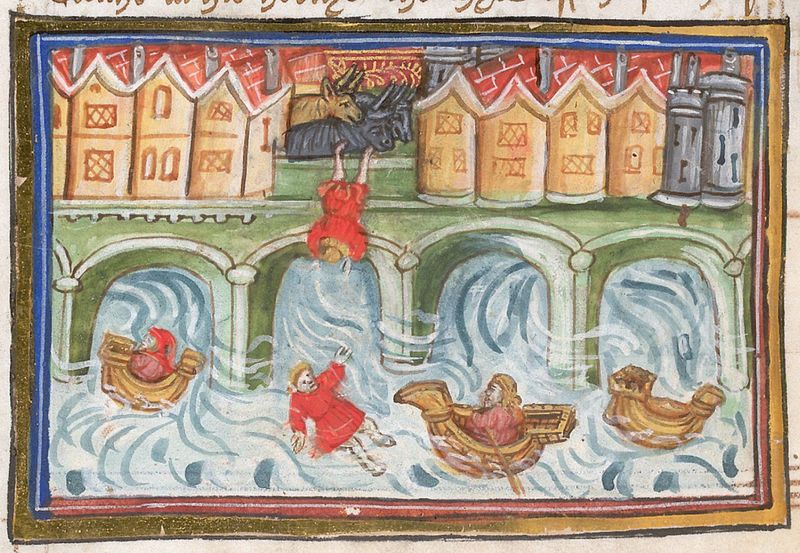
be-sencan, wk.v: to sink, plunge, submerge, drown. (beh-SEN-kahn / bɛ-ˈsɛn-kan)
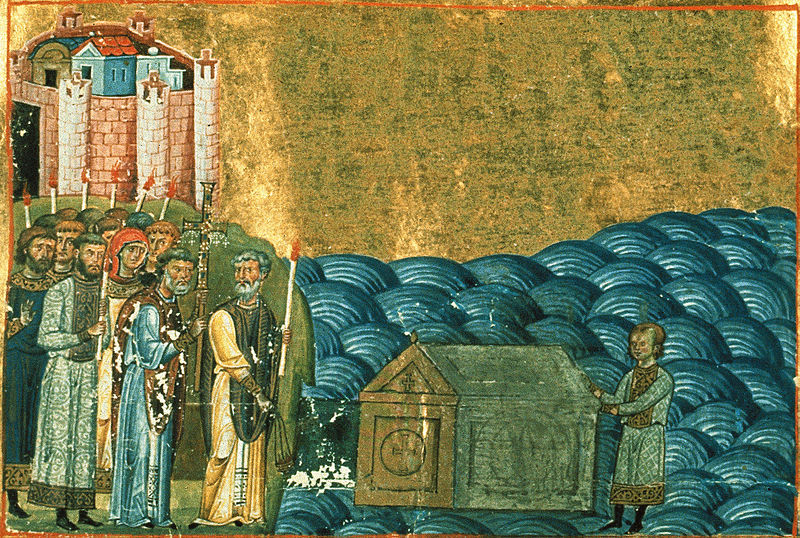
Today is the Feast of St Clement. Read his story in this week’s Wordhord Wednesday post on Patreon.
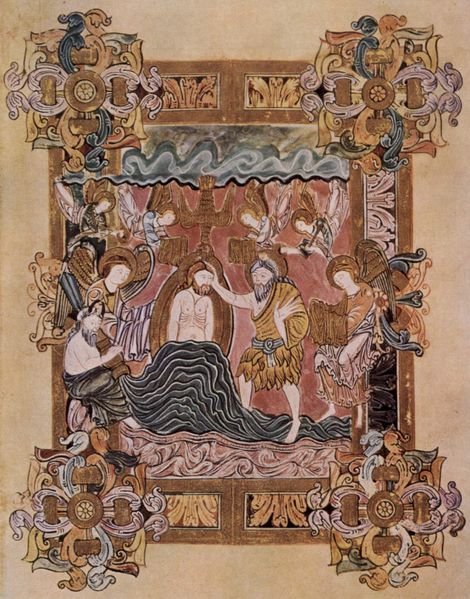
bædzere, m.n: a baptist, baptizer. (BAED-zeh-ruh / ˈbæd-zɛ-rə)
ūrig-lāst, adj: making a dewy track, walking the wet earth. (OO-ree-LAHST / ˈuː-rɪj-ˌlaːst)
rysc-rīþig, n.n: a stream in which rushes grow. (RUSH-REE-thih / ˈɹɝʃ-ˌɹiː-θɪj)
ēa-fisc, m.n: a river-fish. (AY-ah-FISH / ˈeːa-ˌfɪʃ)
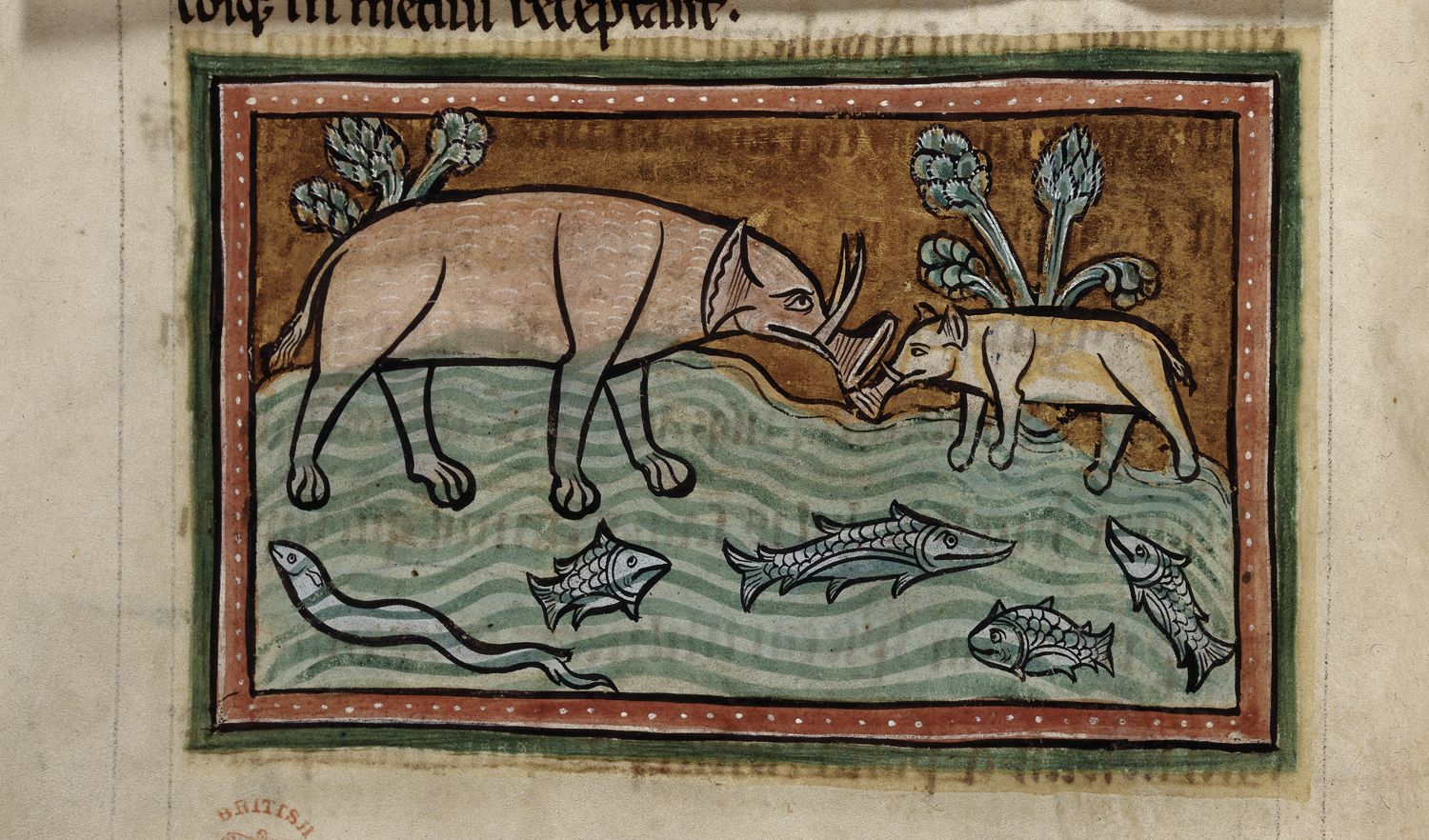
wæter-scipe, m.n: water, body of water. (WAT-er-SHIP-uh / ˈwæ-tɛr-ˌʃɪ-pə)
firigend-strēam, m.n: a mountain-stream, the ocean. (FIH-rih-yend-STRAY-ahm / ˈfɪ-ɹɪ-jɛnd-ˌstɹeːam)
 Old English Wordhord