wer-genga, m.n: stranger who seeks protection in the land to which they have come. (WER-GENG-ga / ˈwɛr-ˌgɛŋ-ga)
Category Archives: travel + trade
līðend
līðend, m.n: a traveller, sailor. [LEE-thend]
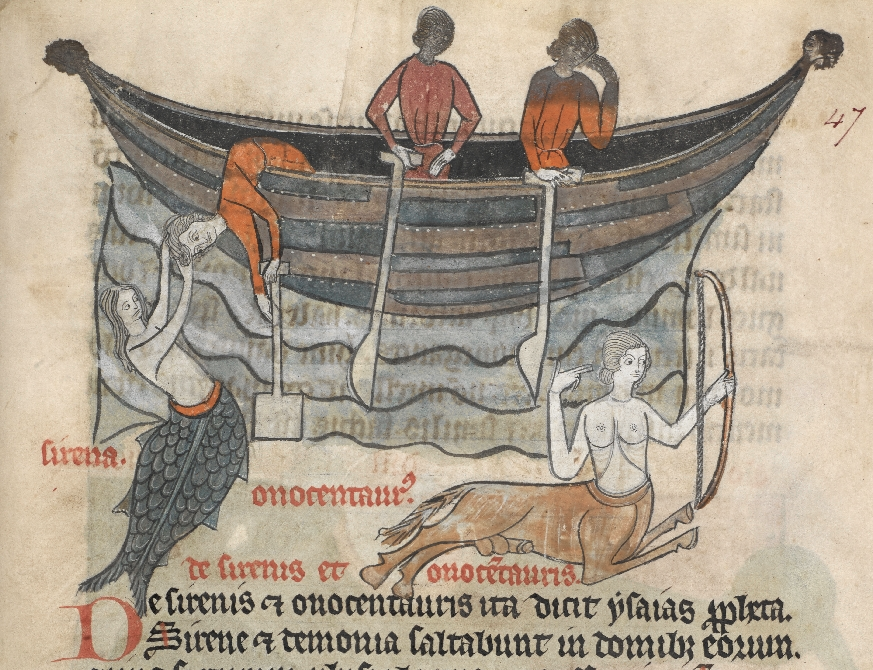
A siren pulls a sailor from a boat by the hair, while another sailor stops his ears to avoid hearing the siren’s song, with a centaur holding a bow below. Hugh of Fouilloy’s Aviarum/Bestiary. N. France, 2nd or 3rd quarter of the 13th century. British Library, Sloane 278, f. 47r. [bl.uk]
æl-fremd
æl-fremd, adj: strange, foreign. [ÆL-FREMD]
This week’s Wordhord Wednesday post is on the Old English ‘evening singer’. Read and hear it on Patreon.
naca
naca, m.n: a boat, ship. (NAH-ka / ˈna-ka)
hwæl-weg
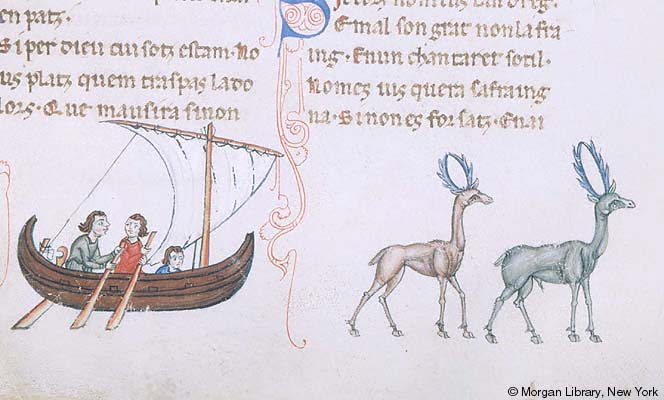
hwæl-weg, m.n: the path of the whale, the ocean. (H’WAEL-WAY / ˈhwæl-ˌwɛj)

For more on medieval whales, see my other blog, Dēor-hord, a medieval and modern bestiary!
ȳþ-wōrigende
ȳþ-wōrigende, adj: wave-wandering. (UETH-WO-ri-yen-duh / ˈyːθ-ˌwoː-rɪ-jɛn-də)
gyte-strēam
gyte-strēam, m.n: a current, flowing stream. (YUE-tuh-STRAY-ahm / ˈjy-tə-ˌstreːam)
This week’s Wordhord Wednesday post is on watery words in Beowulf. Read it on Patreon.
hwæles ēðel
hwæles ēðel, compound: ‘whale’s home’, the ocean. (H’WAL-uz-AY-thell / ˈhwæ-ləz-ˌeː-θɛl)
For more on medieval whales, check out my other blog, Dēor-hord, the medieval and modern bestiary!
ȳþ-lida
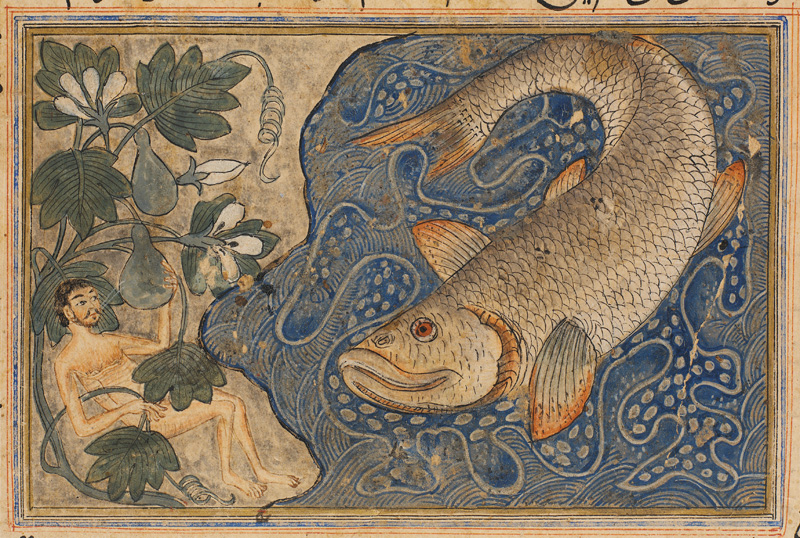
ȳþ-lida, m.n: ship (wave-traverser). (UETH-LI-da / ˈyːθ-ˌlɪ-da)
rōwan
rōwan, str.v: to go by water, to row or sail. (RO-wahn / ˈroː-wan)

 Old English Wordhord