wægn, m.n: a wagon, wain, carriage, vehicle. (WAEYN / ˈwæjn)
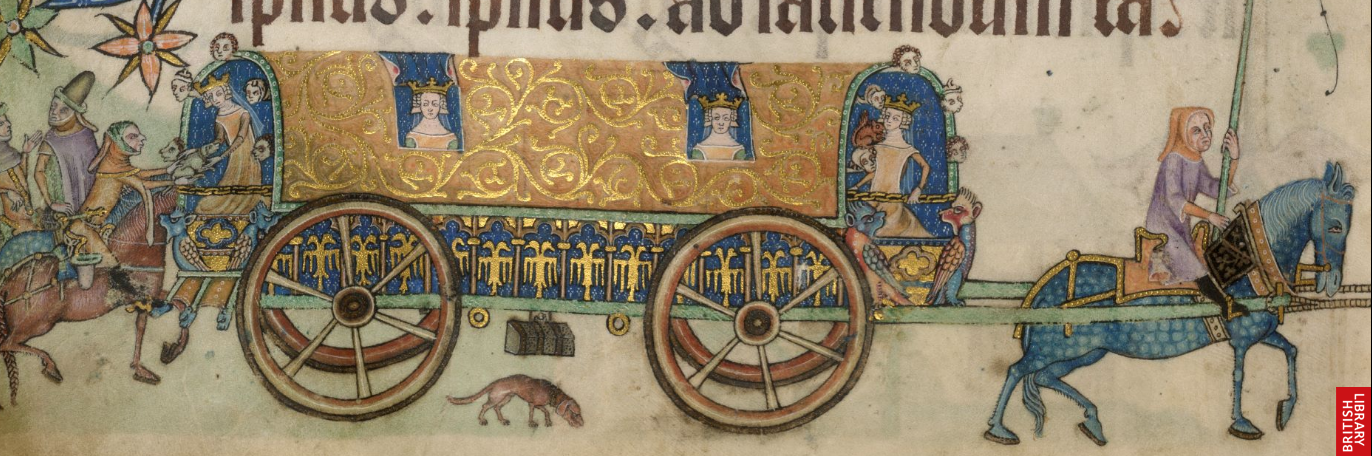
wægn, m.n: a wagon, wain, carriage, vehicle. (WAEYN / ˈwæjn)
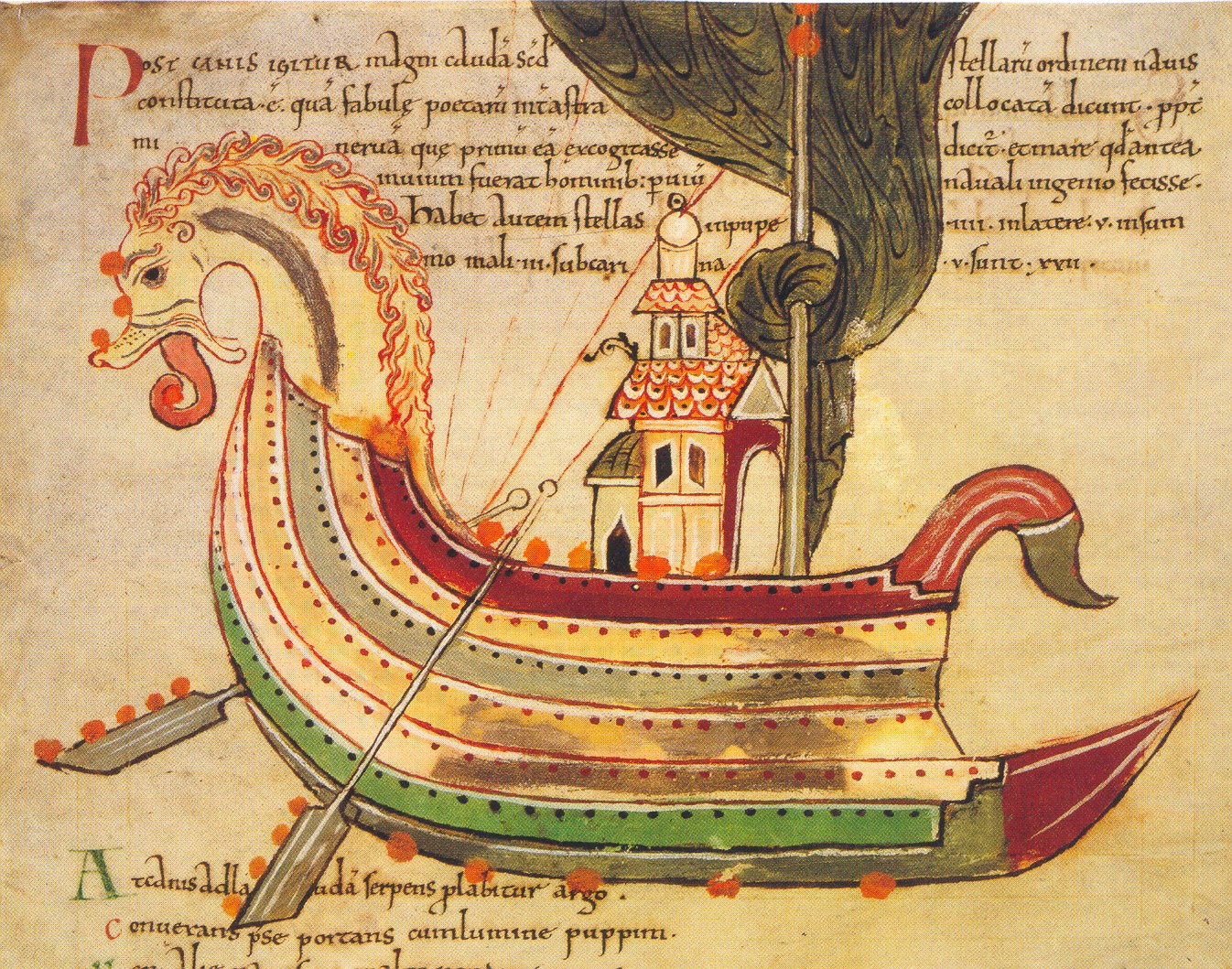
wunden-stefna, m.n: a ship with curved prow. (WUN-den-STEV-nah / ˈwʌn-dɛn-ˌstɛv-na)
fēðe-gang, m.n: a foot-journey. (FAITH-eh-GAHNG)
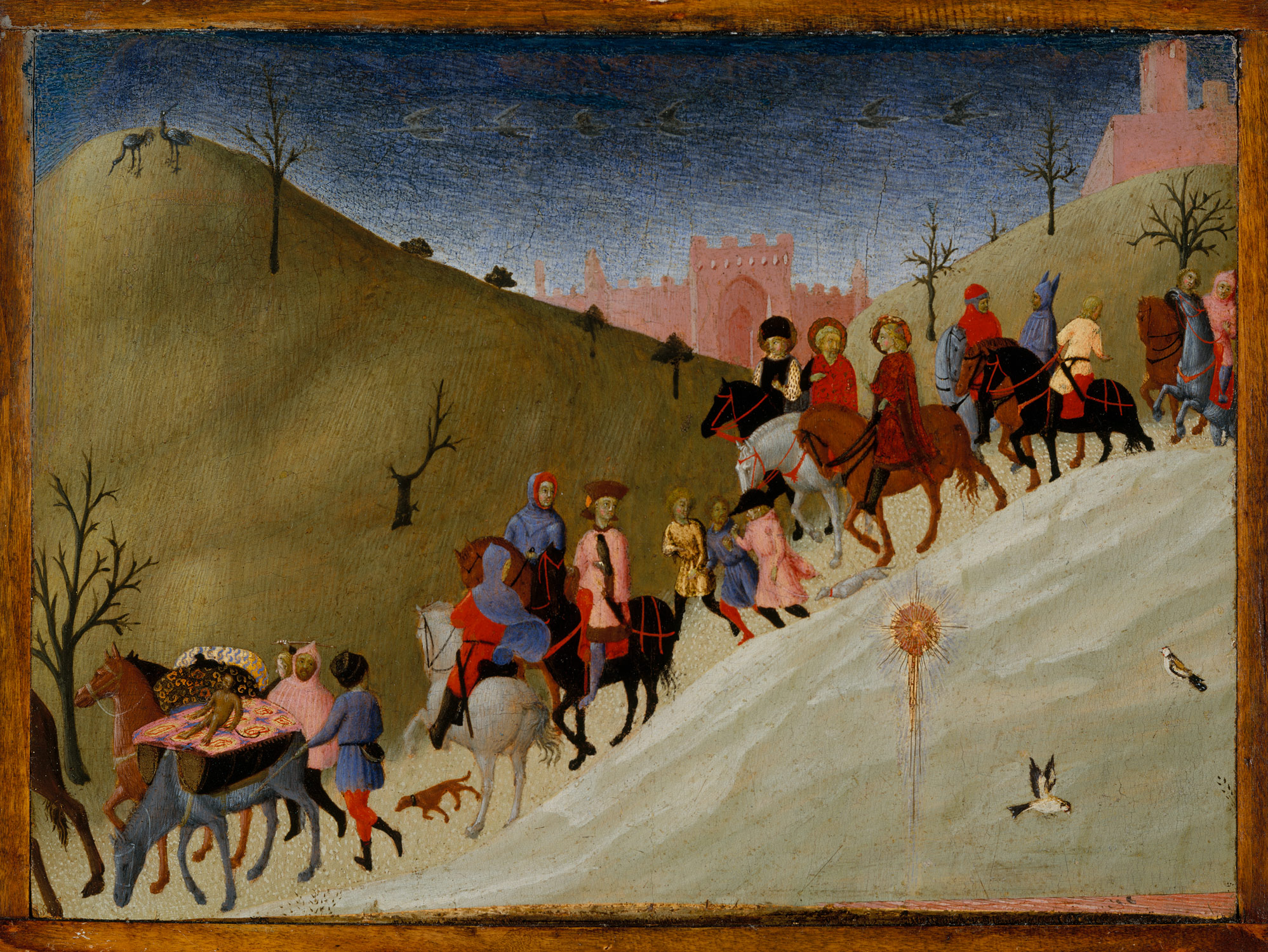
Sassetta (Stefano di Giovanni). Italy (Siena or Cortona), c. 1433–1435. Maitland F. Griggs Collection, Metropolitan Museum of Art. [metmuseum.org]
ūt-fūs, adj: ready to sail. (OOT-foos)
gang, m.n: going, movement (especially on foot); power of walking, ability to walk; manner of walking, gait, walk; coming/going from one place to another, journey; way, road, path; course, lapse, passage (of a period of time); circuit, tract, expanse; legal process, a legal proceeding; company of people/followers; privy. (GAHNG / ˈgaŋ)
fierd, f.n: an army, force, expedition. (FYERD)
sǣ-fōr, f.n: a journey by sea, a voyage. (SA-vor)
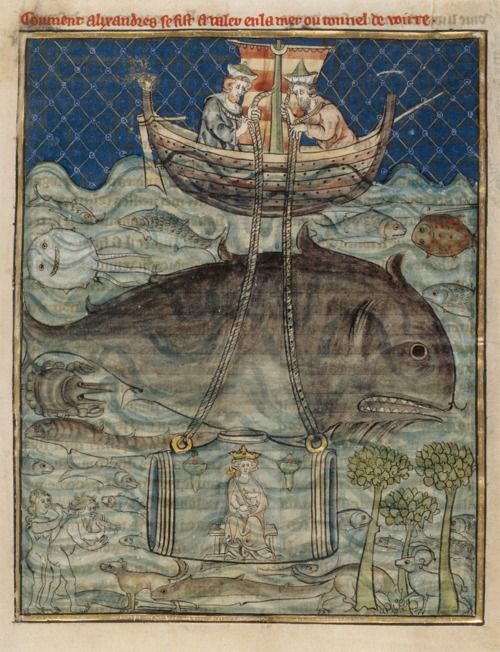
Alexander the Great inside a glass barrel lit by two oil lamps. Miniature from Histoire du bon roi Alexandre. France, 14th century. [pinterest.co.uk]
wræc-lāst, m.n: the track of an exile. (WRACK-lost)
This week’s Wordhord Wednesday post is about the medicinal properties of dog drool and other medieval hund facts. Read it on Patreon.
flōd-wudu, m.n: ship (water-wood). (FLOAD-WUH-duh / ˈfloːd-ˌwʌ-dʌ)

snacc, f.n: a swift-sailing vessel. (SNAWK / ˈsnak)

