gēan-gang, m.n: a going back, return; a going to meet. (YAY-on-gong)
Category Archives: travel + trade
be-gang
be-gang, m.n: a course, way, passage, circuit, district; an undertaking, a business, exercise, service, religious worship. (beh-GAHNG)
sund-hengest
sund-hengest, m.n: ‘sea-horse’, i.e. a ship. (SUND-HENG-gest / ˈsʌnd-ˌhɛŋ-gɛst)

weg
weg, m.n: a way. (WAY)
up-gang
up-gang, m.n: up-gang, m.n: a going up, rising of a heavenly body; a going up to land from sea; a going up from the coast inland; a way of going up. (UP-gong)

Alexander the Great in a cage, being carried aloft by griffins in Le Livre et le vraye hystoire du bon roy Alixandre. France (Paris), c. 1420. London, British Library, Royal 20 B XX, f. 76v. [bl.uk]
ofer-genga
ofer-genga, m.n: one who goes over or beyond, a traveller. (OH-ver-GENG-ga / ˌɔ-vɛr-ˈgɛŋ-ga)
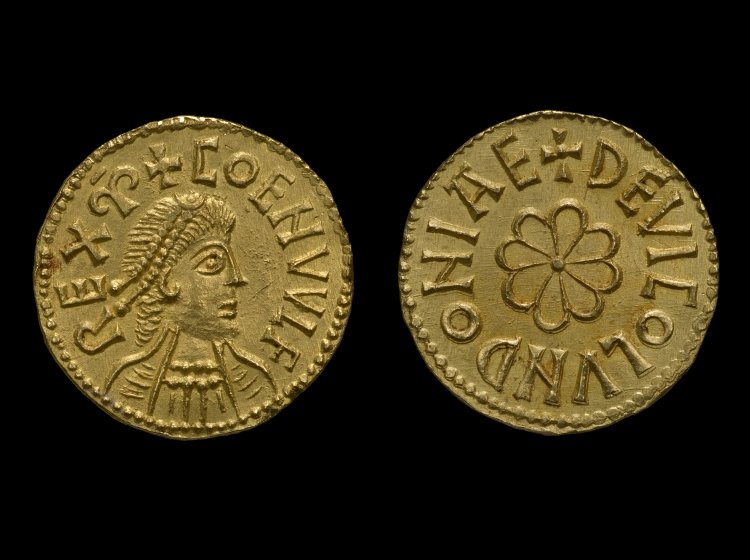
mynet
mynet, n.n: a coin; coinage, money. (MUH-net)
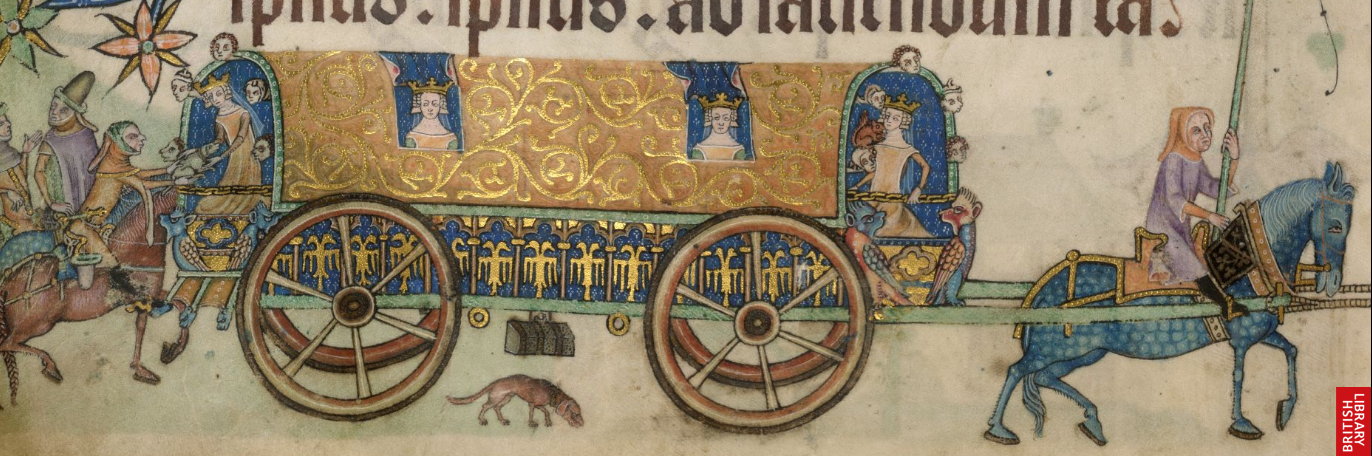
wægn
wægn, m.n: a wagon, wain, carriage, vehicle. (WAEYN / ˈwæjn)
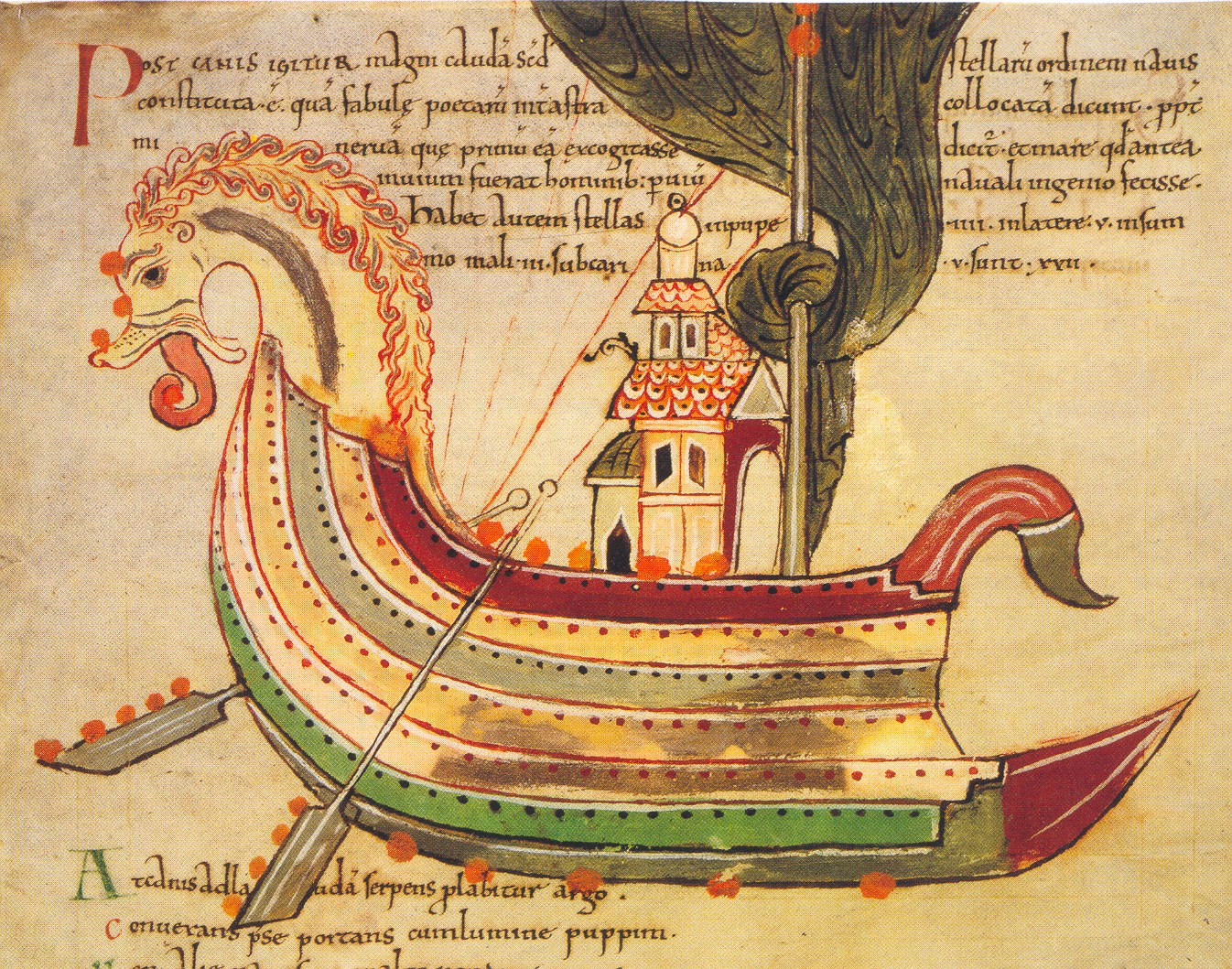
wunden-stefna
wunden-stefna, m.n: a ship with curved prow. (WUN-den-STEV-nah / ˈwʌn-dɛn-ˌstɛv-na)
fēðe-gang
fēðe-gang, m.n: a foot-journey. (FAITH-eh-GAHNG)
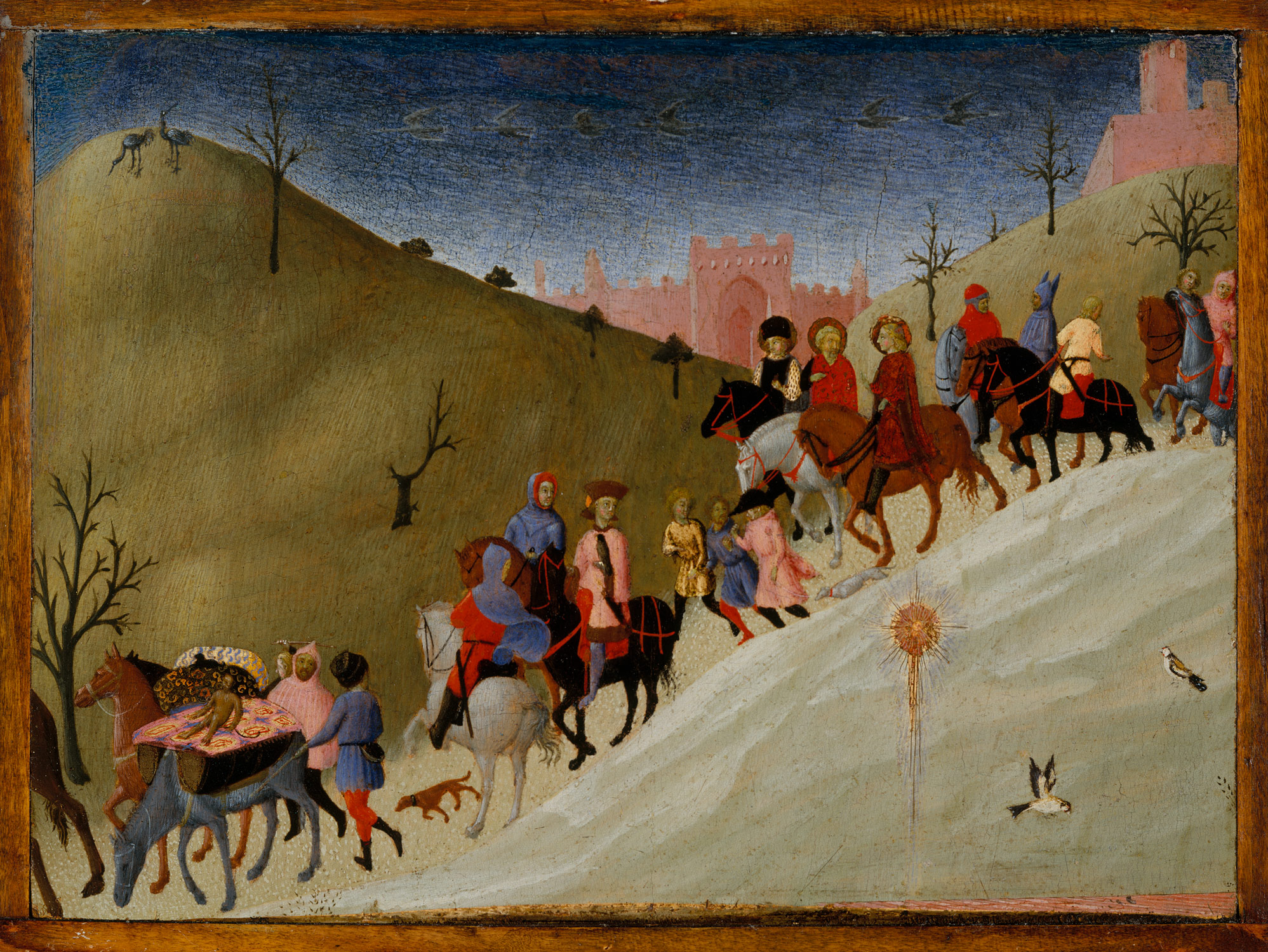
Sassetta (Stefano di Giovanni). Italy (Siena or Cortona), c. 1433–1435. Maitland F. Griggs Collection, Metropolitan Museum of Art. [metmuseum.org]
 Old English Wordhord
