benc-sittend, m.n: ‘bench-sitter’, someone who sits on a bench (perhaps a guest or retainer). (BENCH-SIT-tend / ˈbɛntʃ-ˌsɪt-tɛnd)

benc-sittend, m.n: ‘bench-sitter’, someone who sits on a bench (perhaps a guest or retainer). (BENCH-SIT-tend / ˈbɛntʃ-ˌsɪt-tɛnd)
wolcen-faru, f.n: passing of clouds, moving clouds. (WOL-kun-FAH-ruh / ˈwɔl-kən-ˌfa-rʌ)
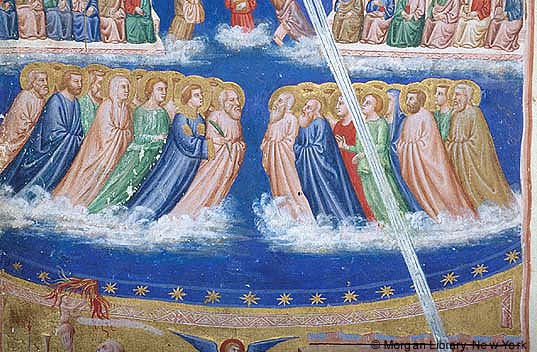
wil-dæg, m.n: a welcome day. (WILL-DAIE / ˈwɪl-ˌdæj)
nafel-sceaft, f.n: the navel. (NA-vell-SHEH-aft / ˈna-vɛl-ˌʃɛaft)
efen-gemæcca, m.n: a companion, husband; an equal, fellow, consort. (EH-ven-yeh-MACK-kah / ˈɛ-vɛn-jɛ-ˌmæk-ka)
This week’s Wordhord Wednesday post is on foul stenches. Read it on Patreon.
fūl-stincende, adj: foul-smelling, stinking. (FOOL-STIN-chen-duh / ˈfuːl-ˌstɪn-tʃɛn-də)
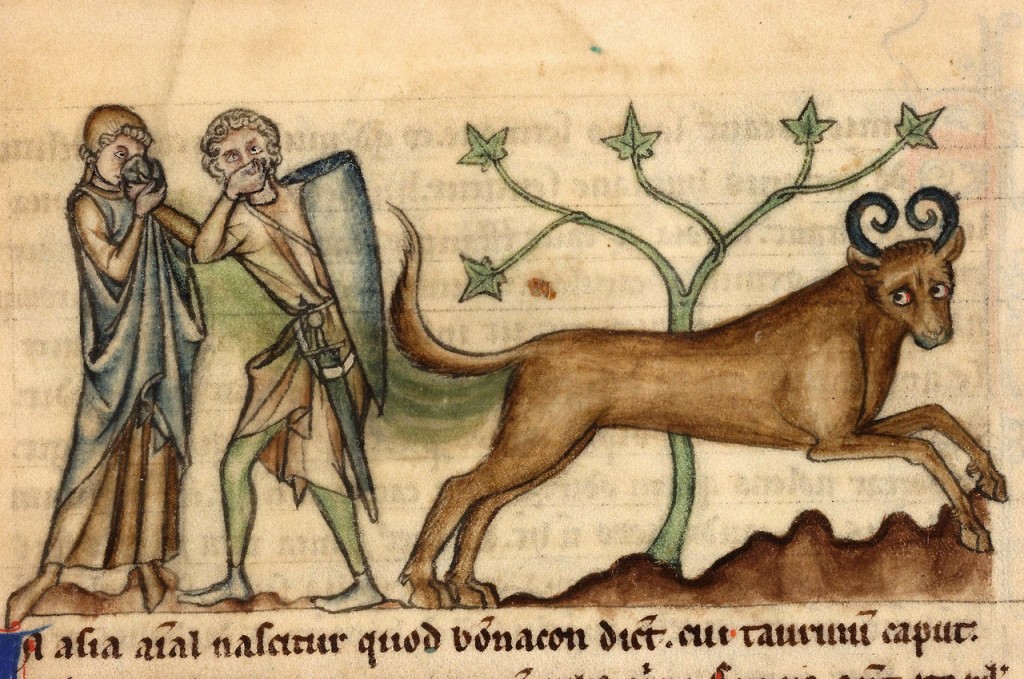
ȳþ-lāf, f.n: the shore left bare by the waves. (UETH-LAHF / ˈyːθ-ˌlaːf)
brȳd-ealo, n.n: a bride-ale, bride or marriage feast. (BRUED-EH-ah-loh / ˈbryːd-ˌɛa-lɔ)

ūht-sceaþa, m.n: one who robs in the time just before dawn. (OO’HT-SHEH-ah-tha / ˈuːxt-ˌʃɛa-θa)
lyft-floga, m.n: flier in the air (dragon). (LUEFT-FLO-ga / ˈlyft-ˌflɔ-ga)
This week’s Wordhord Wednesday post is on lyftfloga, the scary ‘sky-winger’ in Beowulf. Hear me read from the poem on the Wordhord Patreon page.


