hwīt, adj: white, bright, clear, fair. (H’WEET / ˈhwiːt)

hwīt, adj: white, bright, clear, fair. (H’WEET / ˈhwiːt)
lufu, f.n: love; warm affection, attachment; strong feeling, passion. (LUH-vuh / ˈlʌ-vʌ)
Happy Valentine’s Day!
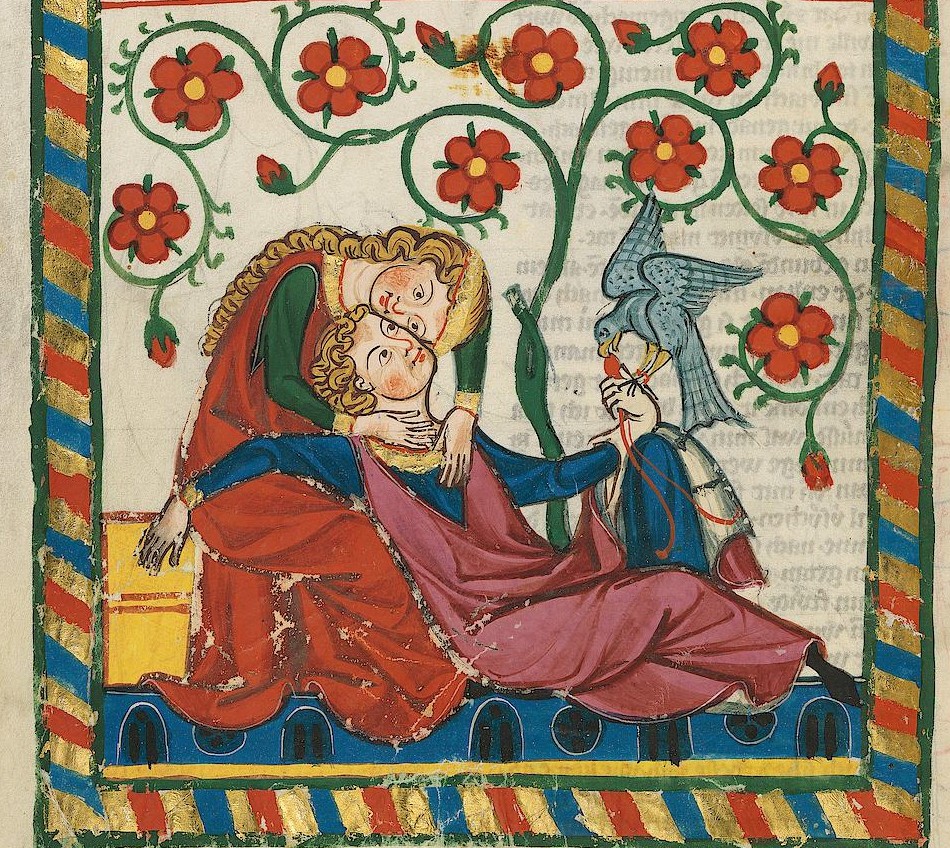
spearca, m.n: a spark (literal or metaphorical). (SPEH-ar-ka / ˈspɛar-ka)
rǣdels, m/f.n: counsel, consideration; debate; conjecture, imagination, interpretation; enigma, riddle. (RAD-ells / ˈræː-dɛls)
hord-wynn, f.n: delightful treasure (hoard-joy). (HORD-WUEN / ˈhɔrd-ˌwyn)

morgen-steorra, m.n: morning star (epithet for Satan or the Devil). (MOR-gen-STEH-or-ra / ˈmɔr–gɛn-ˌstɛɔr-ra)

Oxna-ford, n: Oxford, a place-name meaning ‘ford of the oxen’. (AWK-sna-vord / ˈɔk-sna-vɔrd)
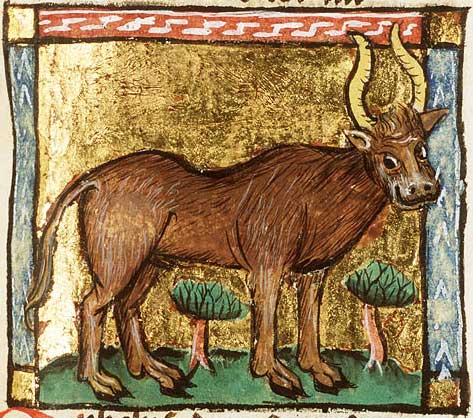
āglǣca, m.n: hostile fighter, fierce combatant, great opponent. (AH-GLACK-ah / ˈa-ˌglæː-ka)
There aren’t any good word-for-word translations. Often translators use ‘monster’ but there is no word in Old English that means simply ‘monster’, and āglǣca can refer to (human) heroes as well as monsters. Grendel is an āglǣca but so is Beowulf.
scræf, n.n: a cave, cavern, hollow place in the earth; a miserable dwelling, a den. (SHRAFF / ˈʃræf)


 Old English Wordhord