rā, m.n: roe deer. (RAH / ˈraː)
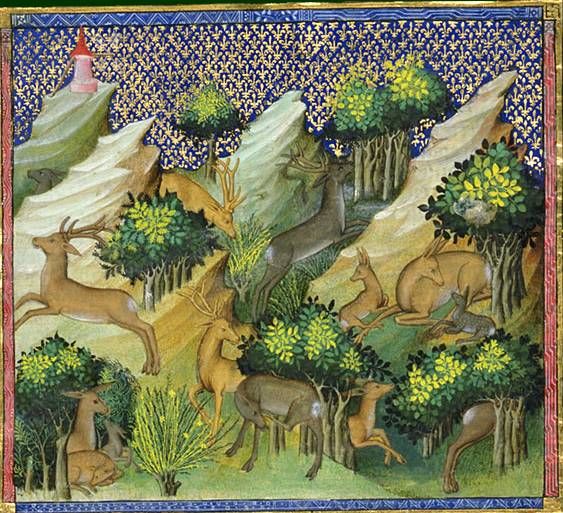
rā, m.n: roe deer. (RAH / ˈraː)
elp, m.n: elephant. (ELP / ˈɛlp)
Check out Dēorhord, the medieval and modern bestiary, to learn about the medieval elephant and see illustrations by medieval illuminators and the modern artist James Merry.
hasu-pāda, m.n: grey-cloaked one (an epithet for the eagle). (HA-zuh-PAH-da / ˈha-zʌ-ˌpaː-da)
heofon-fugol, m.n: ‘heaven-bird’, a bird of the air. (HEH-oh-von-FUH-goll / ˈhɛɔ-vɔn-ˌfʌ-gɔl)
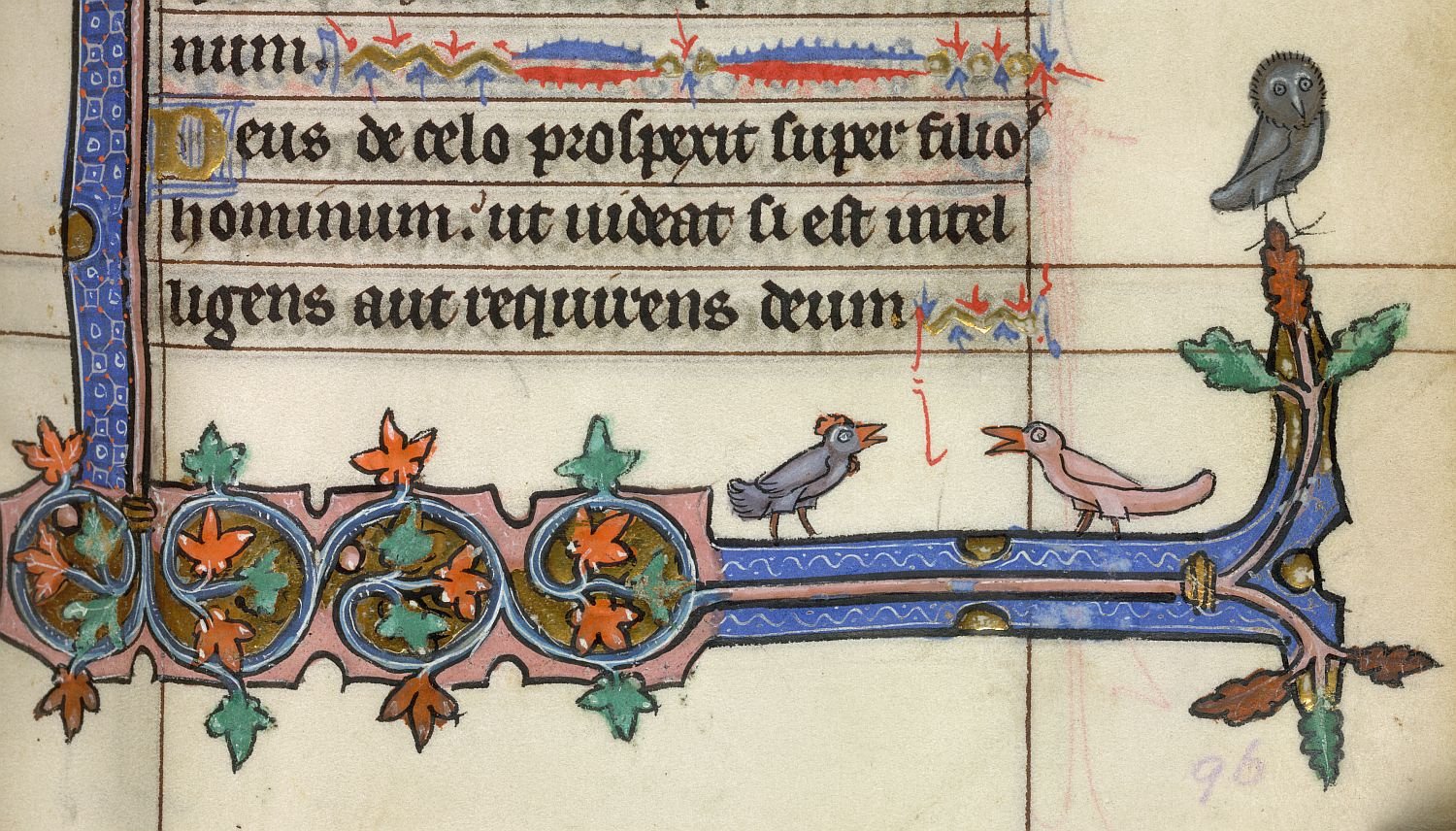
panþer, m.n: panther. (PAHN-ther / ˈpan-θɛr)
Learn about how the panþer was imagined in the Middle Ages (and see a modern artist’s rendition of him) at Dēor-hord, a medieval and modern bestiary.
corn-wurma, m.n: ‘corn-worm’, a weevil. (KORN-WUR-ma / ˈkɔrn-ˌwʌr-ma)
fugel-timber, n.n: bird material (which forms the fledgling), the young bird which develops. (FUH-yell-TIM-ber / ˈfʌ-jɛl-ˌtɪm-bɛr)
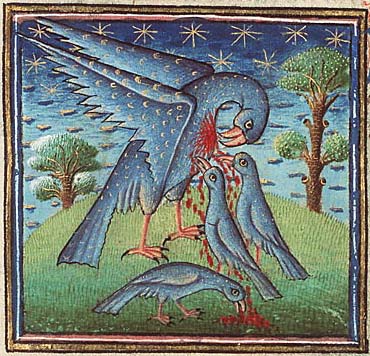
haswig-feðera, adj: having grey feathers, grey-feathered. (HAZ-wee-FEH-theh-ra / ˈhaz-wɪj-ˌfɛ-θɛ-ra)

āttor-sceaða, m.n: a poisonous destroyer, a venomous dragon, serpent. (AH-tor-SHEH-ah-tha / ˈaːt-tɔɹ-ˌʃɛa-θa)
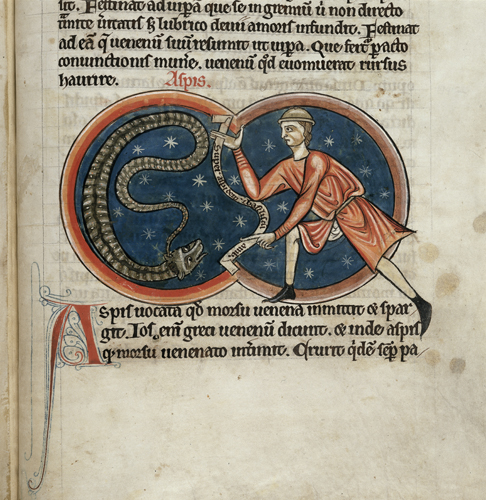
draca, m.n: a dragon; a serpent (can sometimes indicate the Devil). (DRAH-ka / ˈdra-ka)


