scucca, m.n: devil, demon; Satan. (SHUCK-ah / ˈʃʌ-ka)
Author Archives: Hana Videen
dēofol-scīn
dēofol-scīn, n.n: a diabolical vision, phantom, demon. (DAY-oh-voll-SHEEN / ˈdeːɔ-vɔl-ˌʃiːn)
hell-rūne
hell-rūne, f.n: demon, one who knows hell’s mysteries. (HELL-ROON-uh / ˈhɛl-ˌruː-nə)
orc-þyrs
orc-þyrs, m.n: a demon of hell, monster of the infernal regions. (ORK-THURS / ˈɔɹk-ˌθɝɹs)
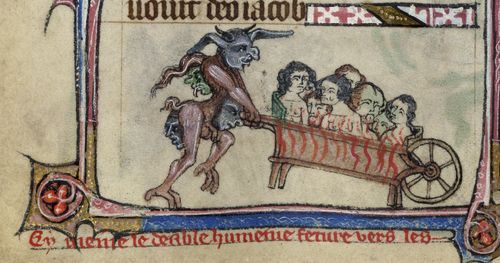
ēoten
ēoten, m.n: a giant. (AY-oh-ten / ˈeːɔ-tɛn)
dēmon
dēmon, m.n: a demon, devil. (DAY-mon / ˈdeː-mɔn)
The two weeks leading up to Halloween will feature monster words-of-the-day.
winter-fylleþ
winter-fylleþ, m.n: October. (WIN-ter-FUELL-eth / ˈwɪn-tɛr–ˌfyl-lɛθ)
wōr-hana
wōr-hana, m.n: a pheasant. (WOAR-HA-na / ˈwoːɹ-ˌha-na)
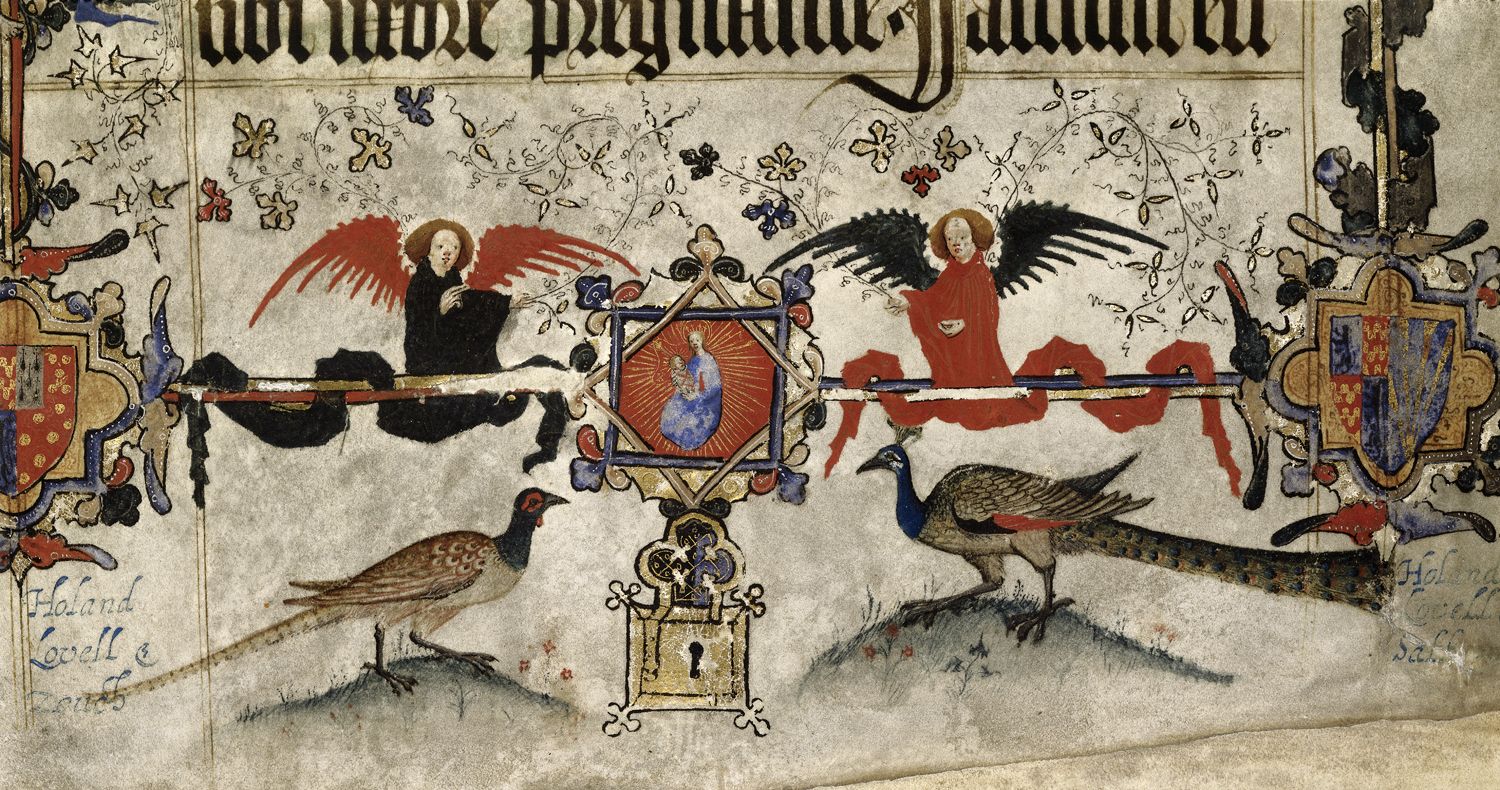
heals-fang
heals-fang, n.n: the sum every man sentenced to the pillory must pay to save himself from that punishment; a legal payment of varying amount according to the status of a person, to be paid by him as a due or fine, or to be received by him for injury done to him. (HEH-als-FAHNG / ˈhɛals-ˌfaŋ)
weorold
weorold, f.n: world; material world, earthly existence; an age; people and things on earth. (WEH-or-old / ˈwɛɔ-rɔld)

