tord-wifel, m.n: a dung-beetle. (TORD-WIH-vull / ˈtɔɹd-ˌwɪ-vəl)
Monthly Archives: April 2015
benc-þel
benc-þel, n.n: a bench floor, a floor on which benches are put. (BENCH-THELL / ˈbɛntʃ-ˌθɛl)
þyrstig
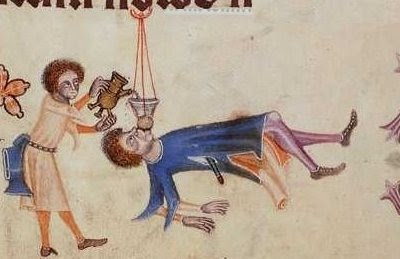
þyrstig, adj: thirsty. (THURZ-tee / ˈθɝɹz-tɪj)
staþol-fæst
staþol-fæst, adj: steadfast, stable, firm; stationary, keeping in one place; unwavering, unyielding, constant. (STAH-thol-FAST / ˈsta-θɔl-ˌfæst)
wlite-scīne
wlite-scīne, adj: of brilliant beauty, splendid, beauteous. (W’LIT-uh-SHEE-nuh / ˈwlɪ-tə-ˌʃiː-nə)
dūfe-doppa
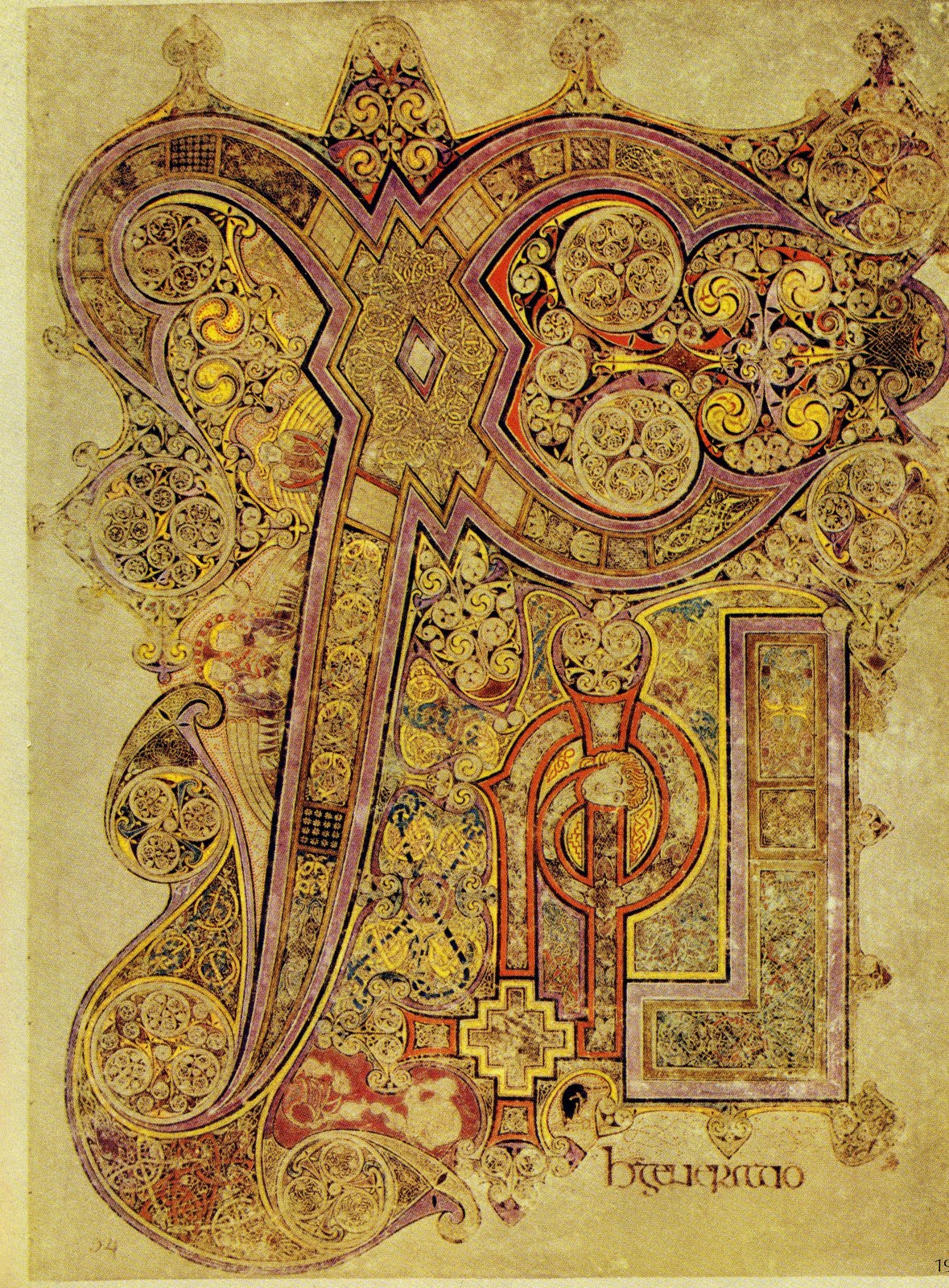
dūfe-doppa, m.n: a pelican. (DOO-vuh-DOP-pa / ˈduː-və-ˌdɔ-pa)
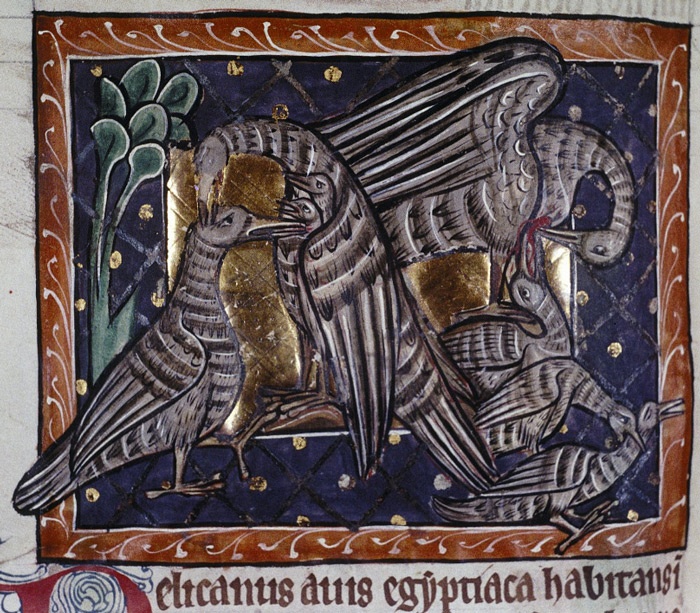
Happy Easter! What do pelicans have to do with Easter? The pelican represents Christ in medieval bestiaries. The Medieval Bestiary website explains: ‘As young pelicans grow, they begin to strike their parents in the face with their beaks. Though the pelican has great love for its young, it strikes back and kills them. After three days, the mother pierces her side or her breast and lets her blood fall on the dead birds, and thus revives them. Some say it is the male pelican that kills the young and revives them with his blood.’ The allegory? ‘The pelican is Christ, who humanity struck by committing sin; the pelican cutting open its own breast represents Christ’s death on the cross, and the shedding of his blood to revive us.’
torn
torn, n.n: violent emotion of anger or grief. (TORN / ˈtɔrn)
swēg-dyne
swēg-dyne, m.n: a resounding din, crash. (SWAY-DUH-nuh / ˈsweːj-ˌdɝ-nə)
ȳþung
ȳþung, f.n: movement as of waves, fluctuation; overflowing, inundation. (UH-thung / ˈɝː-θʌŋ)
fleardian
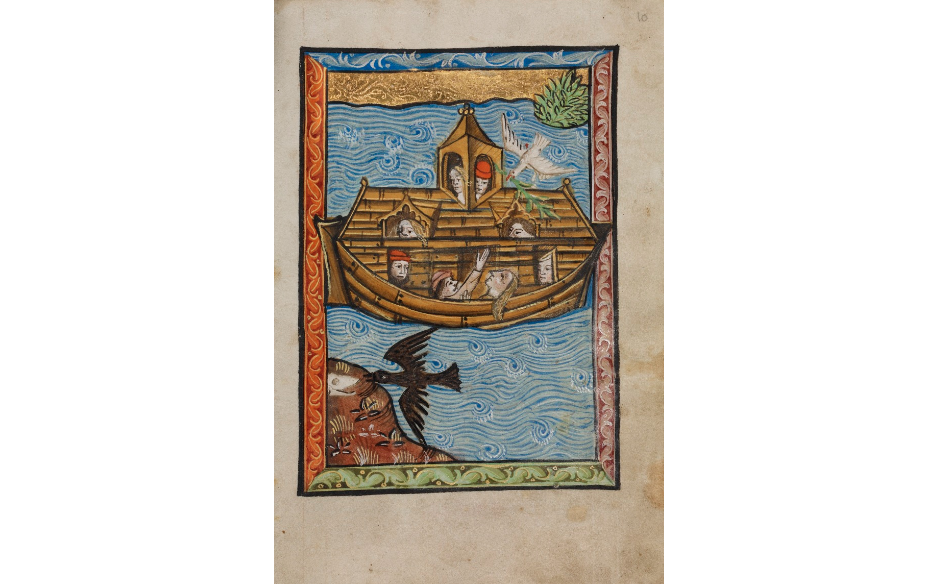
fleardian, wk.v: to trifle, err; to act with (wicked) folly or wantonly, stray in the paths of folly. (FLEH-ar-di-ahn / ˈflɛaɹ-dɪ-an)
 Old English Wordhord