wīdgilness, f.n: vastness, spaciousness, vast expanse. (WEED-yill-ness / ˈwiːd-jɪl-nɛs)
wāwan
wāwan, str.v: to blow, be moved by the wind. (WA-wahn / ˈwaː-wan)
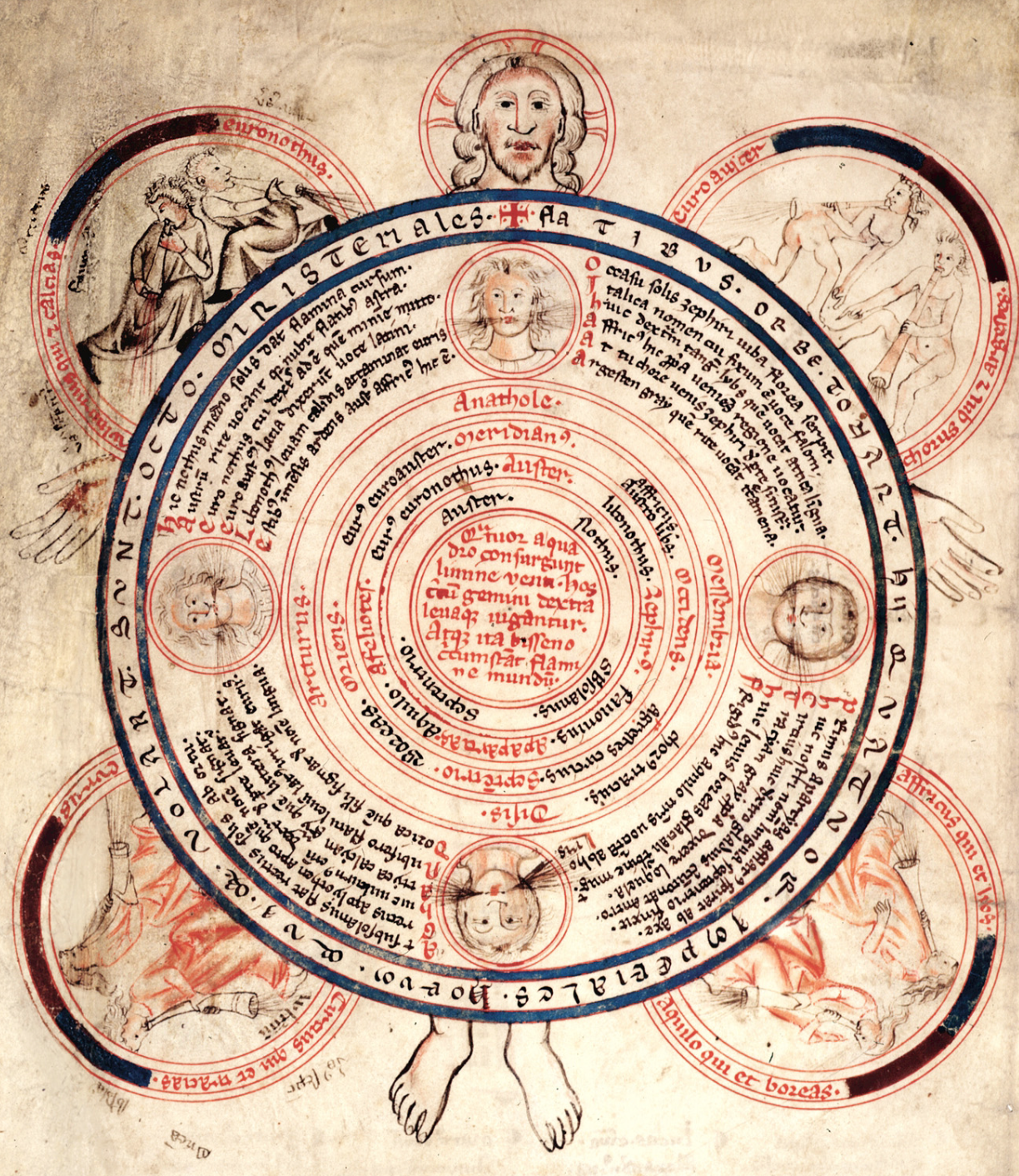
blissian
blissian, wk.v: to rejoice, exult, be glad or merry; to gladden, delight. (BLIS-si-ahn / ˈblɪs-sɪ-an)
heofon-cyning
heofon-cyning, m.n: king of heaven (referring to God or Christ). (HEH-oh-von-KUE-ning / ˈhɛɔ-vɔn-ˌky-nɪŋ)
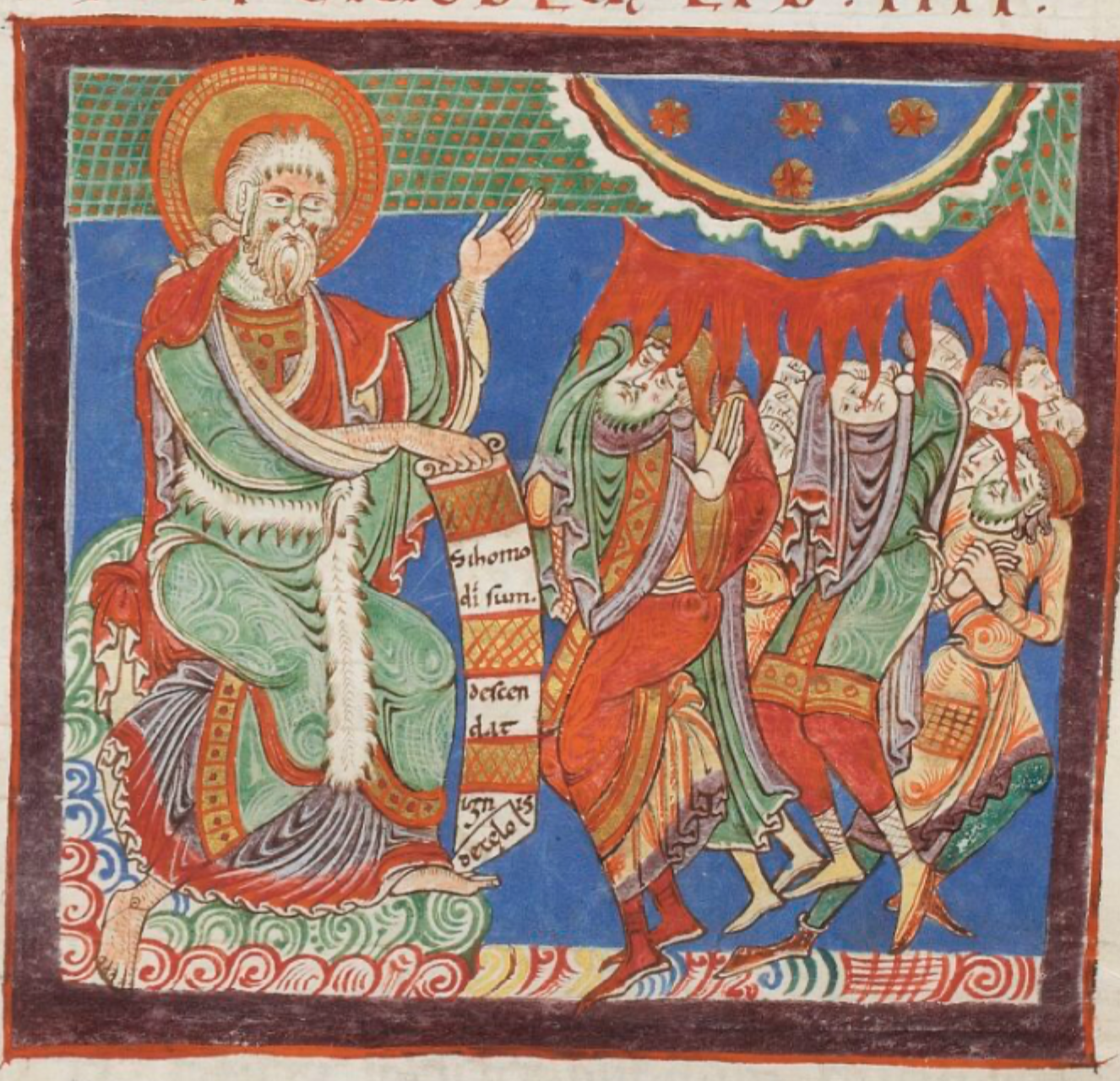
ende-dæg
ende-dæg, m.n: last day, final day; day of death; Doomsday. (EN-duh-DAIE / ˈɛn-də-ˌdæj)
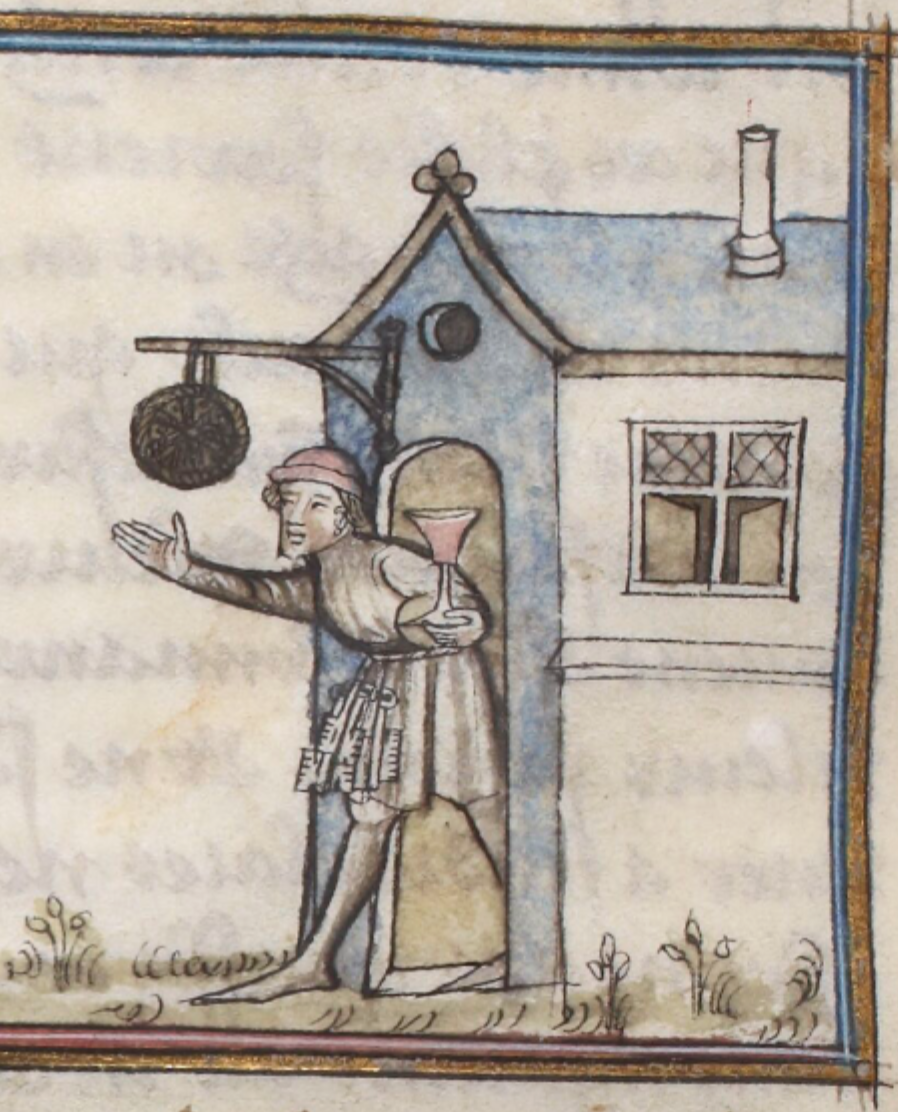
drenc-hūs
drenc-hūs, n.n: drinking house. (DRENCH-HOOS / ˈdrɛntʃ-ˌhuːs)
wēod-hōc
wēod-hōc, m.n: hoe (‘weed-hook’). (WAY-odd-HOAK / ˈweːɔd-ˌhoːk)
bern
bern, n.n: barn. (BERN / ˈbɛrn)
attor
attor, n.n: venom, poison. (AHT-tor / ˈat-tɔr)
ār-lēas
ār-lēas, adj: impious, wicked; dishonourable, shameful. (AR-LAY-ahs / ˈaːr-ˌleːas)
 Old English Wordhord