Bedan-ford-scīr, f.n: Bedfordshire (place name), possibly derived from the name of Saxon chief Beda + ford, the crossing of River Great Ouse. (BEH-dahn-ford-SHEER / ˈbɛ-dan-fɔɹd-ˌʃiːɹ)
blōt-mōnaþ
blōt-mōnaþ, m.n: November (‘sacrifice-month’). (BLOAT-MO-nath / ˈbloːt-ˌmoː-naθ)
dwimor
dwimor, n.n: an illusion, delusion, apparition; phantom. (DWIH-mor / ˈdwɪ-mɔɹ)
Happy Halloween!
dēaþ-scūa
dēaþ-scūa, m.n: shadow of death, death. (DAY-ath-SHOO-ah / ˈdeːaθ-ˌʃuːa)
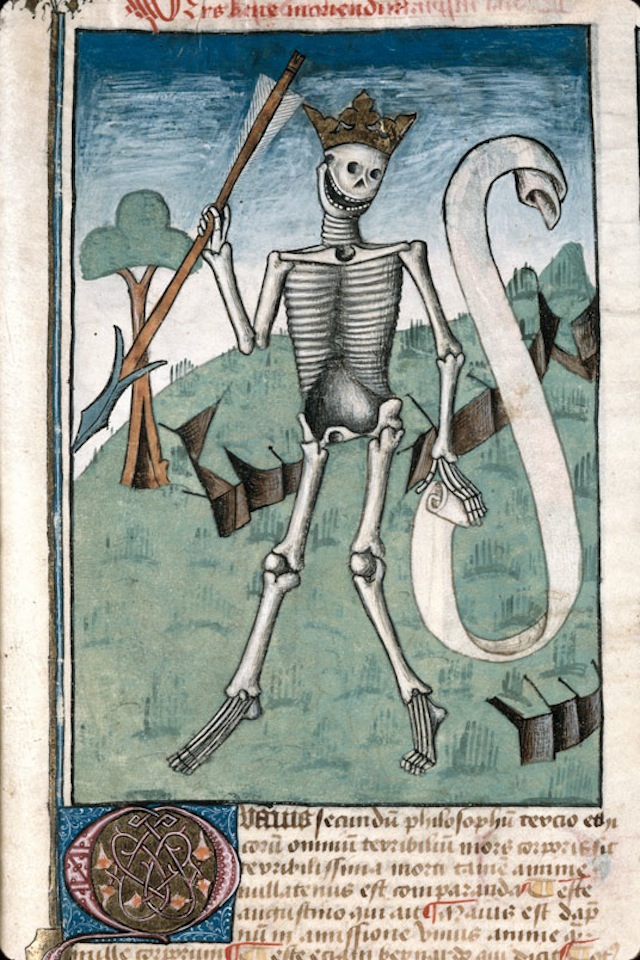
hell-cniht
hell-cniht, m.n: an infernal servant, a devil as servant. (HELL-K’NI’HT / ˈhɛl-ˌknɪht)

un-mann
un-mann, m.n: bad person, inhuman person; hero, one who is more than an average person. (UN-MAHN / ˈʌn-ˌman)
aglǣcwīf
aglǣcwīf, n.n: hostile female fighter, fierce female combatant. (AH-GLACK-weef / ˈa-ˌglæːk-wiːf)
āglǣca
āglǣca, m.n: hostile fighter, fierce combatant, great opponent. (AH-GLACK-ah / ˈa-ˌglæː-ka)
There aren’t any good word-for-word translations. Often translators use ‘monster’ but there is no word in Old English that means simply ‘monster’, and āglǣca can refer to (human) heroes as well as monsters. Grendel is an āglǣca but so is Beowulf.
draca
draca, m.n: a dragon; a serpent. (DRAH-ka / ˈdra-ka)
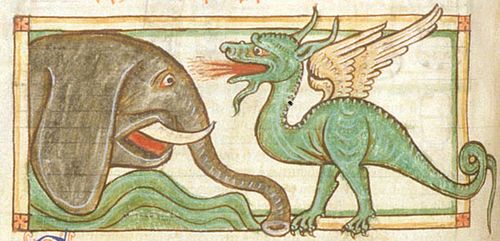
ellen-gǣst
ellen-gǣst, m.n: a bold or powerful spirit. (EH-len-GAEST / ˈɛ-lɛn-ˌgæst)
 Old English Wordhord