hlūd, adj: loud, sonorous. (HLOOD / ˈhluːd)
cū-hyrde
cū-hyrde, m.n: a cowherd, person who has the charge of cows. (KOO-HUER-duh / ˈkuː-ˌhyr-də)
(Bonus word for today due to a Twitter tweet order mix-up!)
Eāster-sunnandæg
Eāster-sunnandæg, m.n: Easter Sunday. [EH-ah-ster-SUN-nan-dæγ]
Happy Easter!
feng
feng, m.n: grip, grasp, clasp, hug, embrace; the act of seizing. (FENG / ˈfɛŋ)
It’s International Hug-A-Medievalist (with their consent) Day!

snid-īsen
snid-īsen, n.n: a lancet (a small, broad, two-edged surgical knife or blade with a sharp point). [SNID-EE-zen]
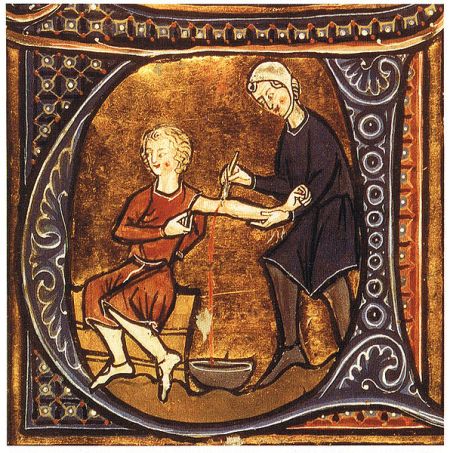
Aldobrandino of Siena’s Le Régime du corps. France, N. (Lille?), 3rd quarter of the 13th century (perhaps c. 1285). British Library, Sloane 2435, fol. 11v. [bl.uk]
dybbian
dybbian, wk.v: to pay attention to. [DUB-be-ahn]
dōm-hwæt
dōm-hwæt, adj: eager for glory; also interpreted as “strenuous in judgement”. [DOM-HWÆT]
This week’s Wordhord Wednesday post is on “head-guilt”. Read it on Patreon.
wyrt-tūn
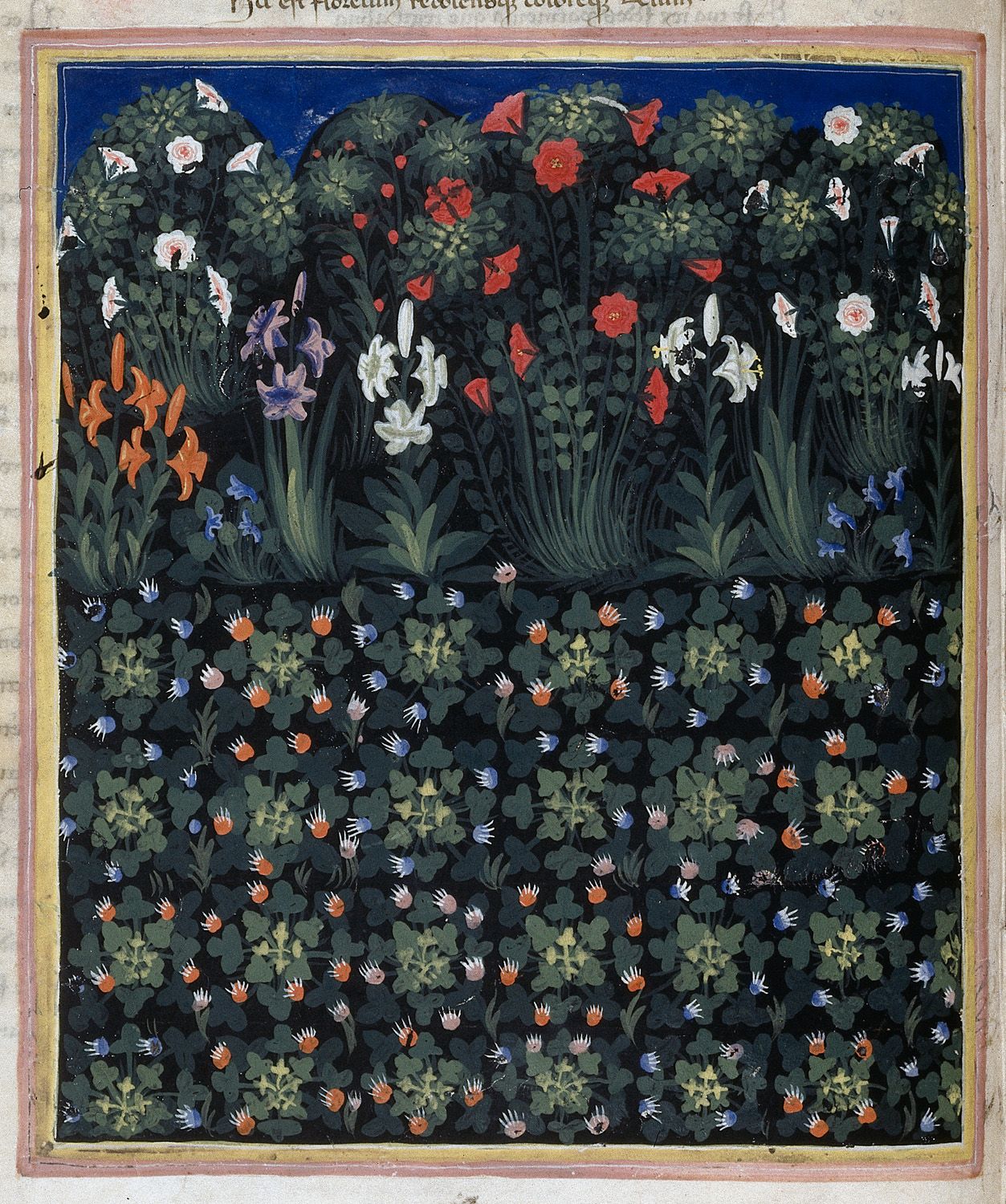
wyrt-tūn, m.n: garden. (WUERT-TOON / ˈwyrt-ˌtuːn)
hēafod-gylt
hēafod-gylt, f.n: a capital crime, a deadly sin. [HAY-ah-vod-YULT]
crīstel-mǣl
crīstel-mǣl, n.n: a cross; the sign of the cross. [KREE-stell-MÆL]
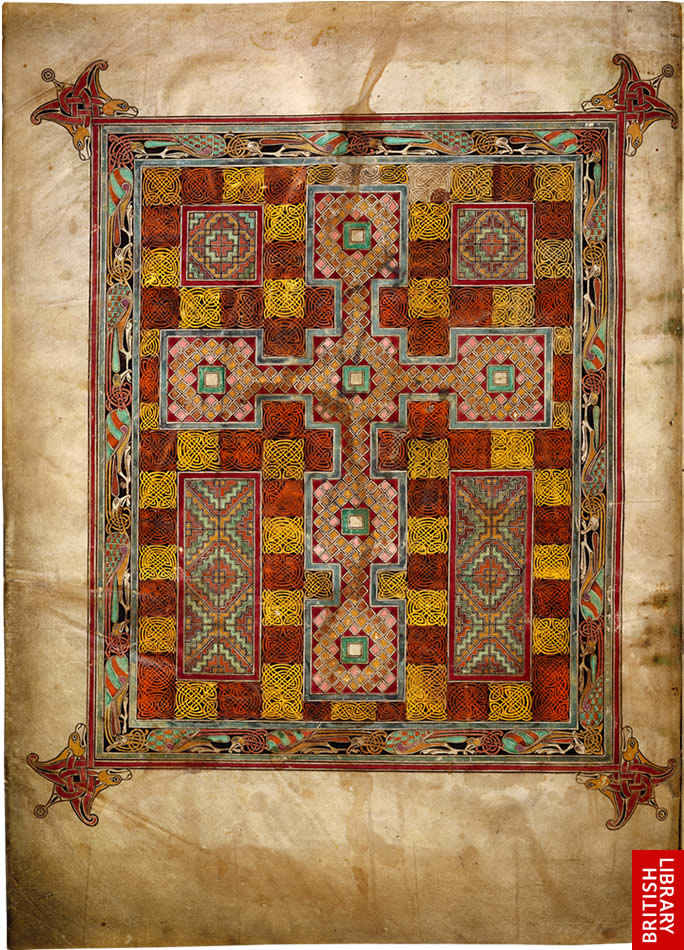
A carpet page from the Lindisfarne Gospels. England (Northumberland), c. 710-715. British Library, Cotton MS. Nero D.IV, fol. 2v. [bl.uk]
 Old English Wordhord