wind-rǣs, m.n: a storm of wind. [WIND-ræss]
pleg-hūs
pleg-hūs, n.n: a play-house, theatre. [PLAY-hoos]
flǣsc-hord
flǣsc-hord, n.n: ‘flesh-hoard’, the body. (FLASH-HORD / ˈflæːʃ-ˌhɔrd)

tūnes-mann
tūnes-mann, m.n: a man living on a manor. [TOO-nez-MAHN]
cræft-glēaw
cræft-glēaw, adj: sage-minded, science-learned. [KRÆFT-glay-aw]
For this week’s Wordhord Wednesday I read excerpts from Beowulf in a voice I hope is hādor. Read and listen on Patreon.
hādor
hādor, n/adj: the clear, serene sky; clear (applied both to light and to sound), bright, serene. (HA-dor / ˈhaː-dɔɹ)
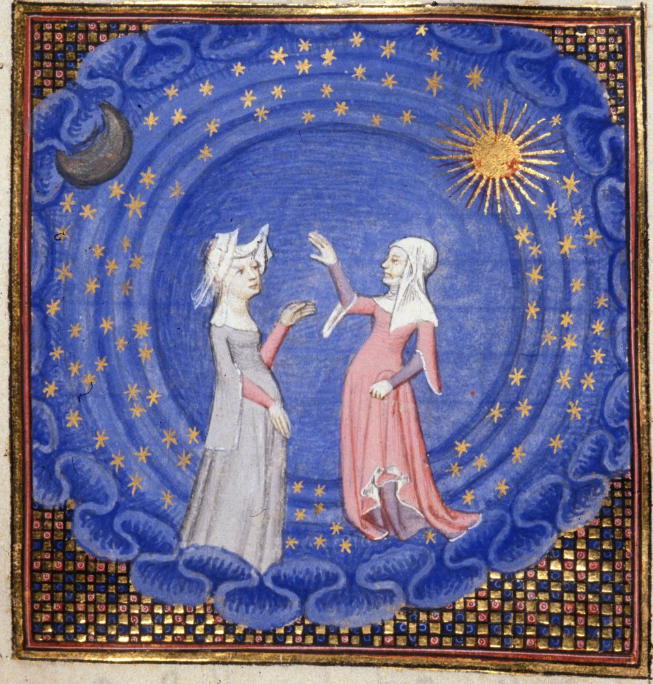
wyrt-stenc
wyrt-stenc, m.n: scent from a plant. (WUERT-STENCH / ˈwyrt-ˌstɛntʃ)
Cristes bōc
Cristes bōc, f.n: Christ’s book, the gospel (an account of Jesus’s life and teachings). [KRIST-ess BOAK]
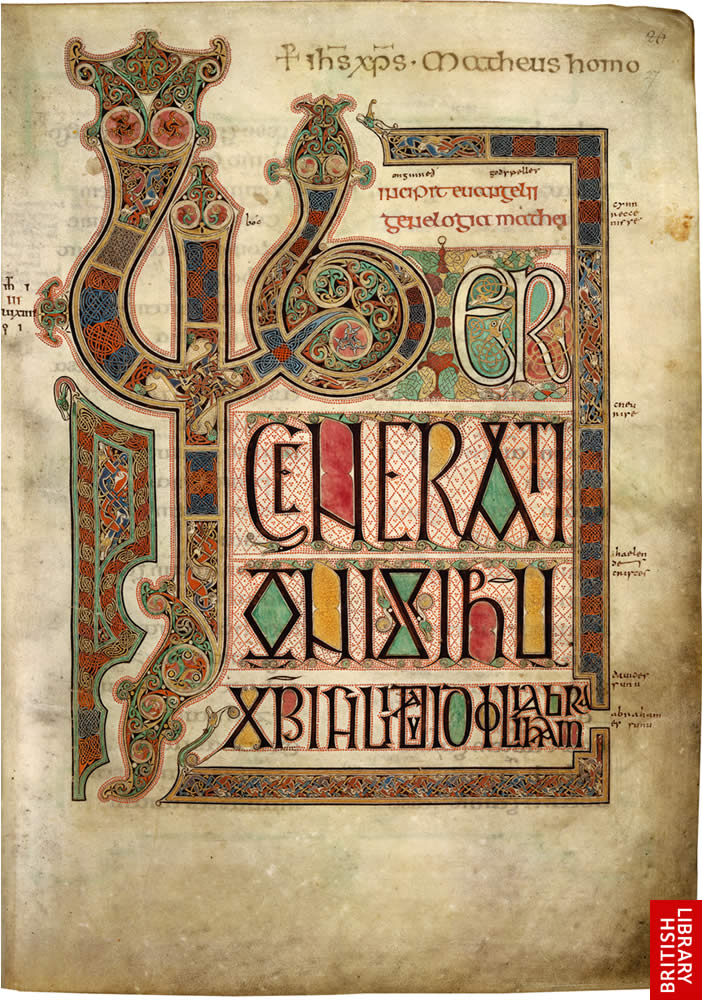
Lindisfarne Gospels, the beginning of St Matthew’s Gospel. England (Lindisfarne), late 7th or early 8th century. British Library, Cotton Nero D. IV, f. 27r. [bl.uk]
brēad
brēad, n.n: bread; food. (BRAY-ad / ˈbreːad)
mǣl
mǣl, f.n: a speech, talk, conversation. [MÆL]
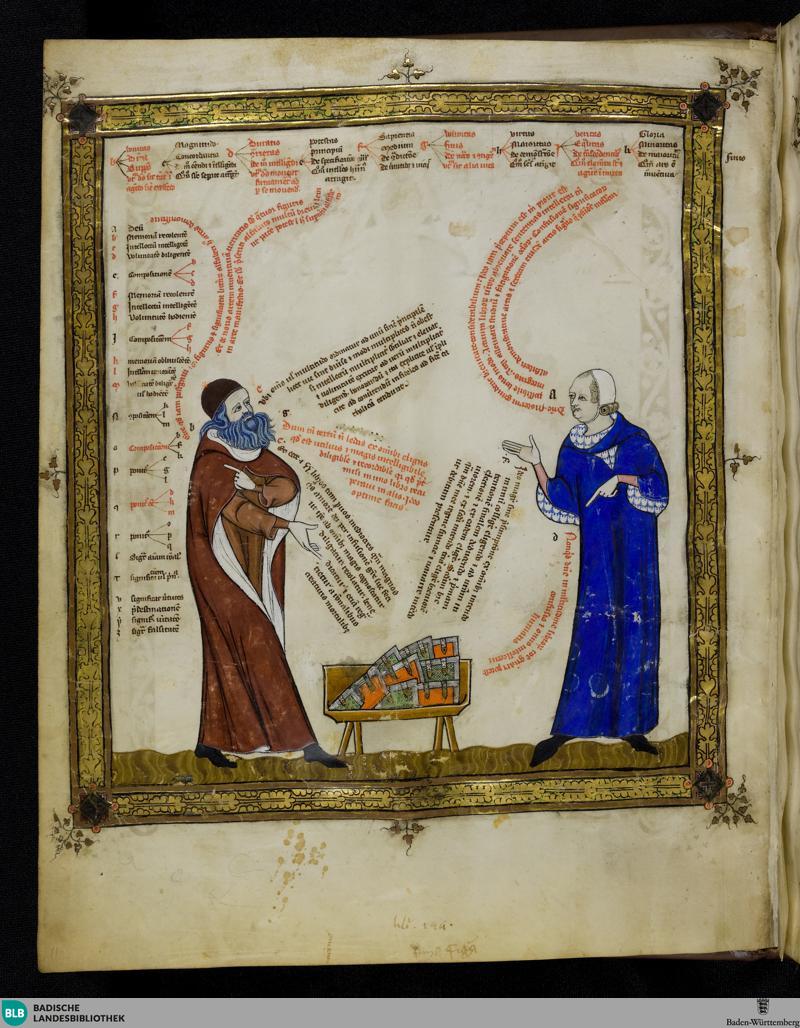
Miniature cycle on the life and teachings of Raimundus Lullus. Northern France(?), 14th century. Karlsruhe, Badische LandesBibliothek, St Peter Perg. 92, f. 11v. [digital.blb-karlsruhe.de]
 Old English Wordhord