ifig, n.n: ivy. (IH-vee)
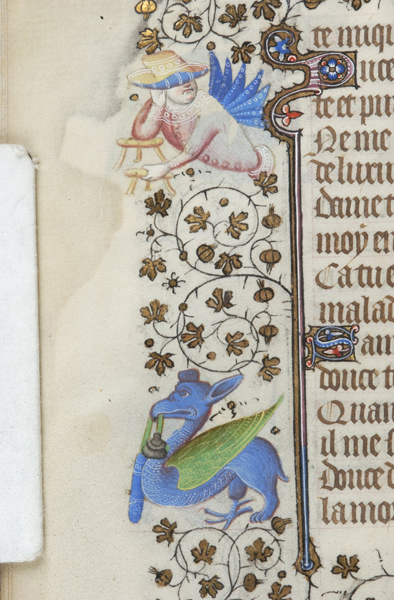
Marginal ivy in a Book of Hours. France (Paris), c. 1418. New York, Morgan Library, MS M.919, f. 187v. [ica.themorgan.org]
ifig, n.n: ivy. (IH-vee)
Marginal ivy in a Book of Hours. France (Paris), c. 1418. New York, Morgan Library, MS M.919, f. 187v. [ica.themorgan.org]
hǣmed-gemāna, m.n: matrimony, marriage. (HAM-ed-yeh-MAH-na)
hēah-seld, n.n: a throne. (HAY-ah-seld)
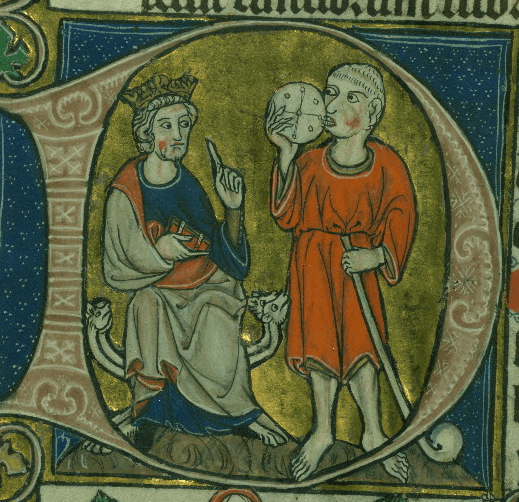
Look at how great King David’s throne is! Fieschi Psalter. Cambrai, c. 1290-1295. Baltimore, Walters Art Museum, W.45, f. 90v. [thedigitalwalters.org]
wyrt-forbor, n.n: restraint from an action by the operation of herbs. (WURT-for-bor)
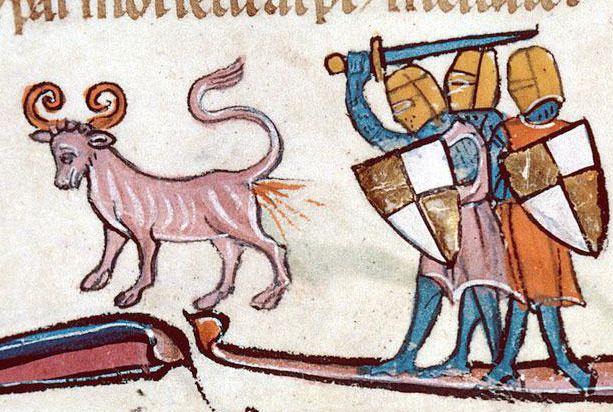
cūe mesa, m.n: cow’s dung. (KOO-eh-MEH-za / ˈkuː-ɛ-ˌmɛ-za)
This week’s Wordhord Wednesday post is about Windsor and its first appearance in writing. Read it on Patreon.
ā-wiht, n.n/pronoun: aught, anything. (ah-WI’HT / aː-ˈwɪht)
wyrm-basu, adj: scarlet. (WURM-BAH-zuh / ˈwɝɹm-ˌba-zʌ)

hlēor, n.n: a cheek, face. (HLAY-or)
cualme-stōw, f.n: a place of burial. (KWAL-meh-STOH)
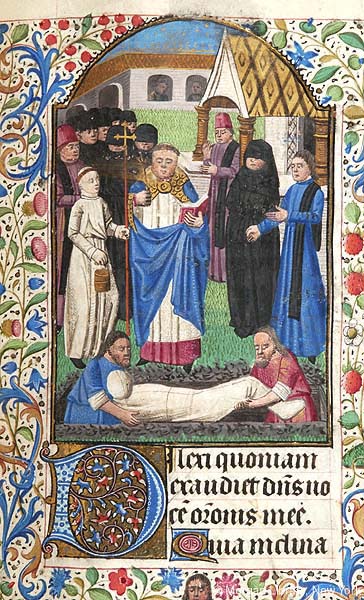
Book of Hours. France, c. 1480. New York, Morgan Library, MS M.136, f. 119r. [ica.themorgan.org]
Windles-ōra, m.n: Windsor. (WIND-less-OH-ra)
 Old English Wordhord