lang-strang, adj: patient, long-suffering. (LAHNG-STRAHNG / ˈlaŋ-ˌstraŋ)
gār
gār, m.n: dart, spear, arrow; a weapon with a pointed head. (GAR / ˈgaːr)

mann-þwǣre
mann-þwǣre, adj: gentle, courteous. (MAHN-THWAER-uh / ˈman-ˌθwæː-rə)
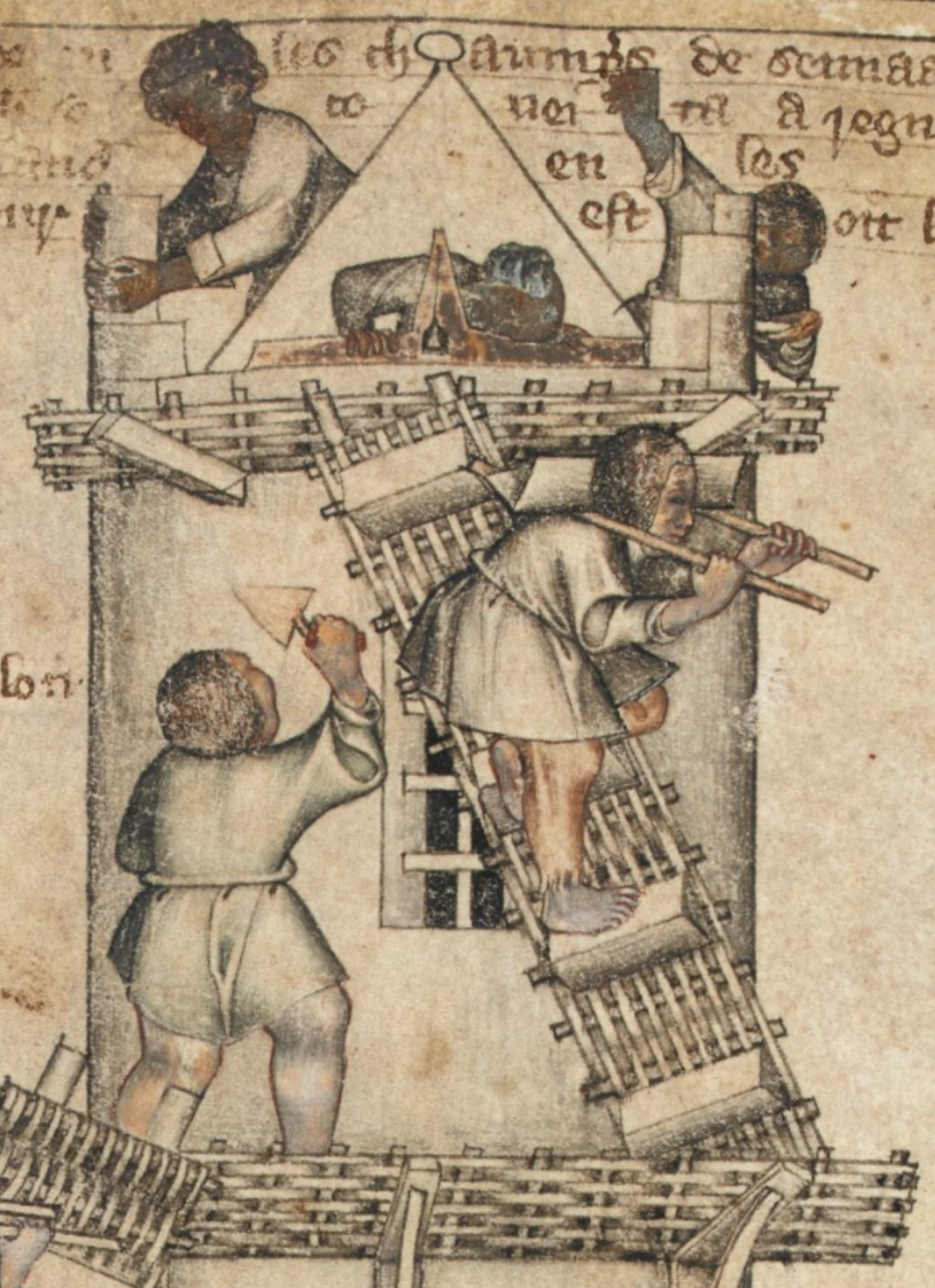
stān-wyrhta
stān-wyrhta, m.n: stonemason. (STAHN-WUER-h’ta / ˈstaːn-ˌwyrx-ta)
munt-gēof
munt-gēof, m.n: the Alps. (MUNT-YAY-off / ˈmʌnt-ˌjeːɔf)
This week’s Wordhord Wednesday post is on an abbot’s unwise sotscipe. Read it on Patreon.
wǣr
wǣr, f.n: covenant, agreement, pledge. (WAER / ˈwæːr)
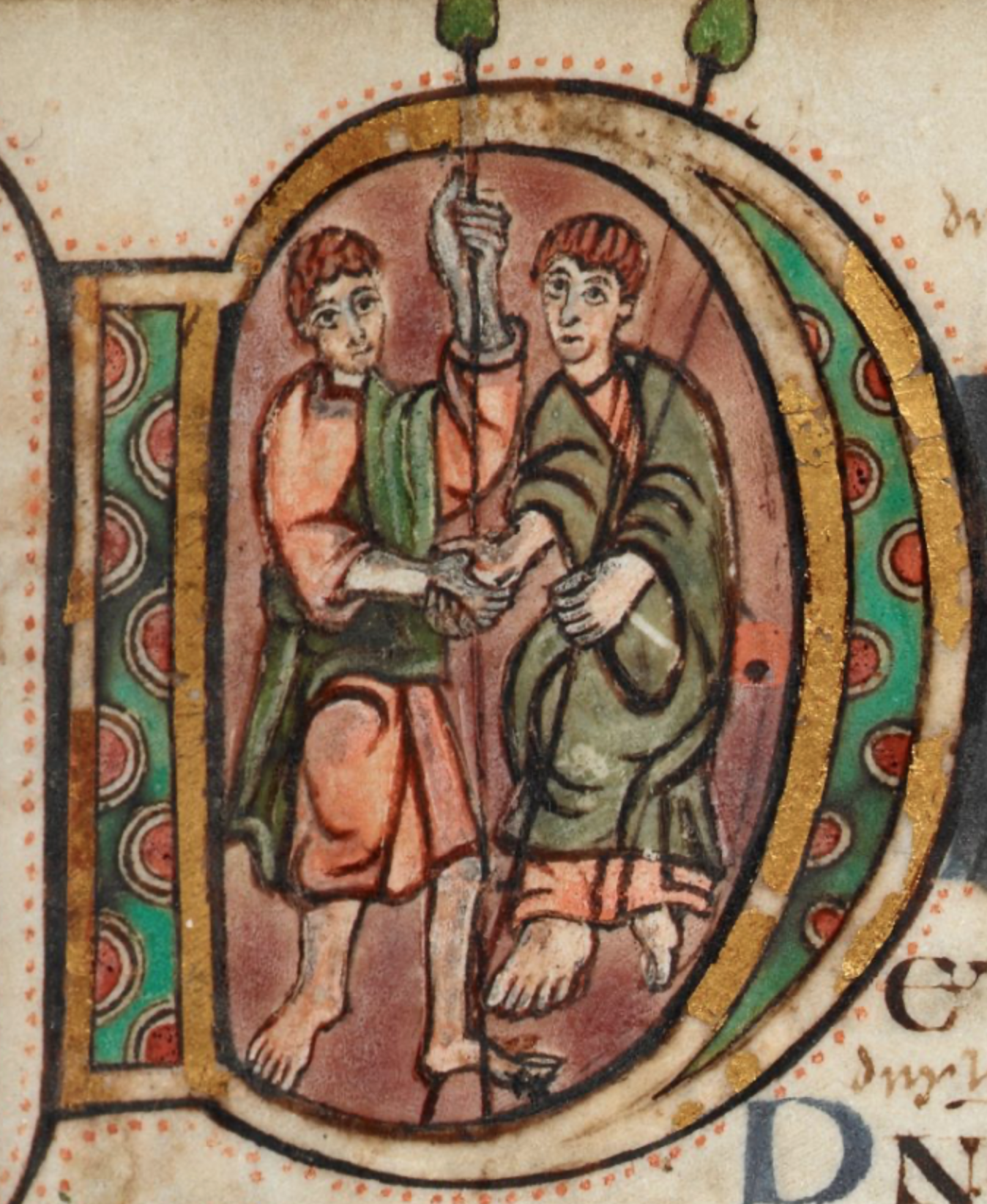
æf-þanca
æf-þanca, m.n: spite, disdain; insult, offence; envy, cause of envy. (AFF-THON-ka / ˈæf-ˌθɔn-ka)
cyrtel
cyrtel, m.n: garment, tunic, coat, gown. (KUER-tell / ˈkyr-tɛl)

ge-tǣse
ge-tǣse, n.n: advantage. (yeh-TAZ-uh / jɛ-ˈtæː-zə)
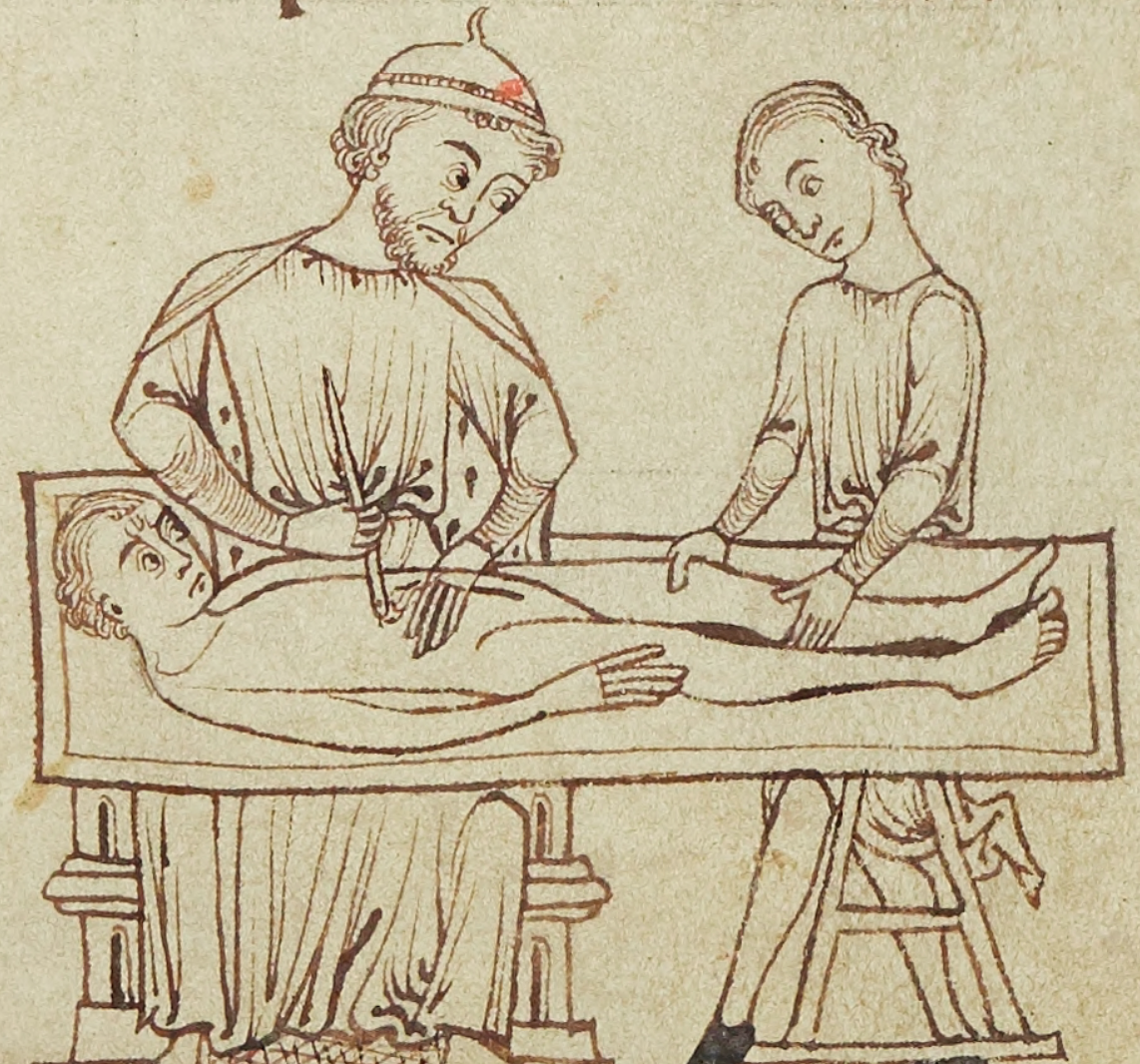
lācniendlic
lācniendlic, adj: medical, surgical. (LAHK-ni-end-litch / ˈlaːk-nɪ-ɛnd-lɪtʃ)
 Old English Wordhord