befer, m.n: beaver. (BEH-ver / ˈbɛ-vɛr)
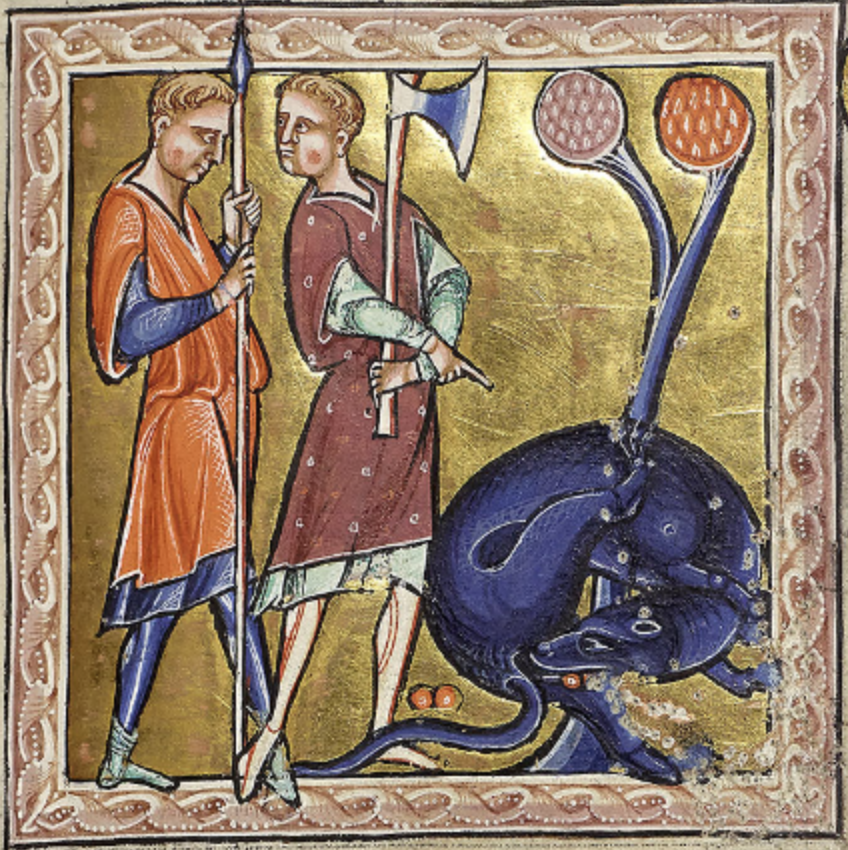
befer, m.n: beaver. (BEH-ver / ˈbɛ-vɛr)
ceorl, m.n: man (general term without reference to a particular social class); peasant; member of the lowest class of free men. (CHEH-orl / ˈtʃɛɔrl)
cnafa, m.n: boy or youth. (K’NAH-va / ˈkna-va)
gūþ-gemōt, n.n: battle-meeting, combat. (GOOTH-yeh-MOAT / ˈguːθ-jɛ-ˌmoːt)
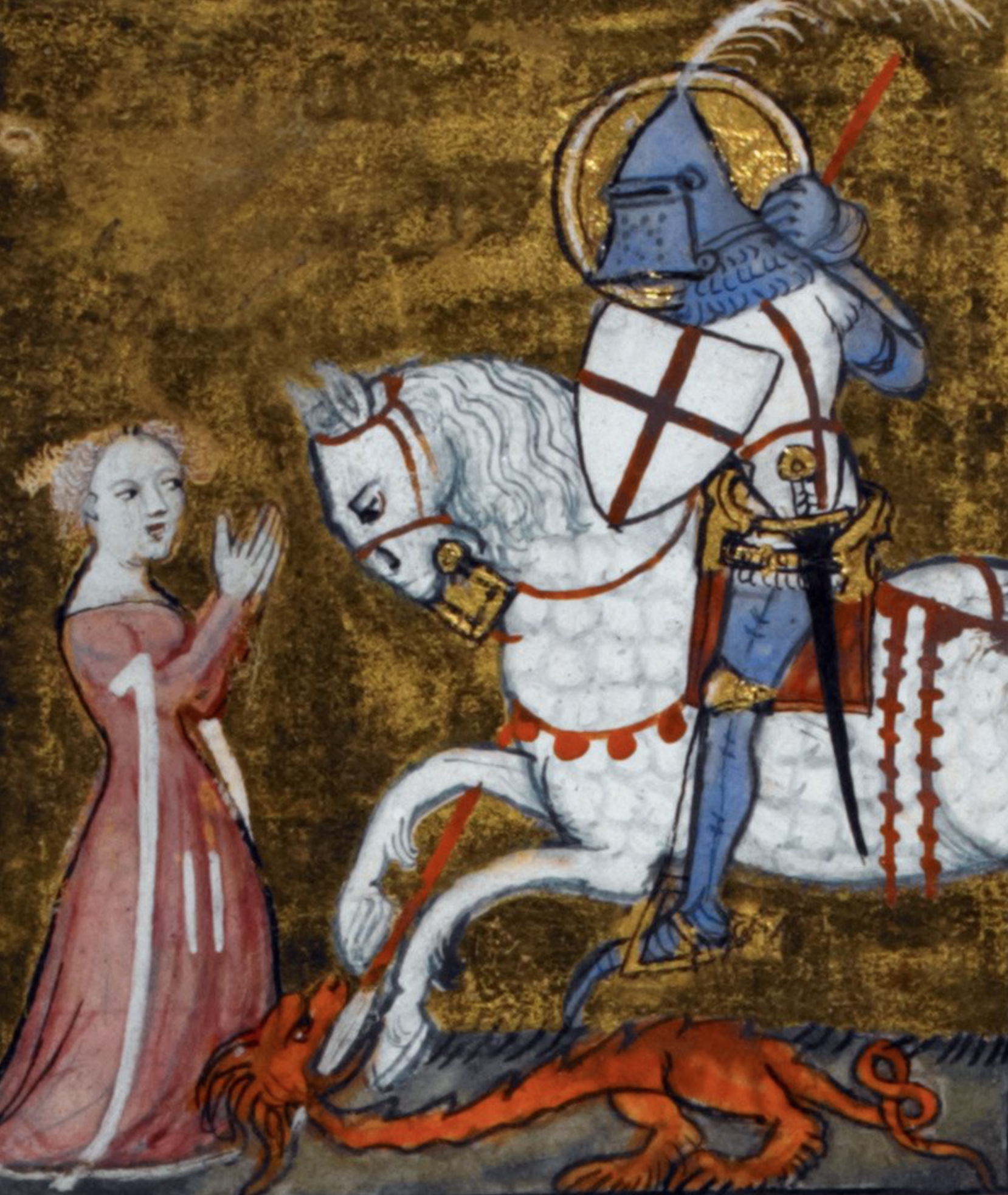
molde, f.n: mould, dust, sand, earth; ground, land; earth (the dwelling place of humans). (MOLL-duh / ˈmɔl-də)
(And yes, people knew that the earth was round in the medieval period and antiquity.)
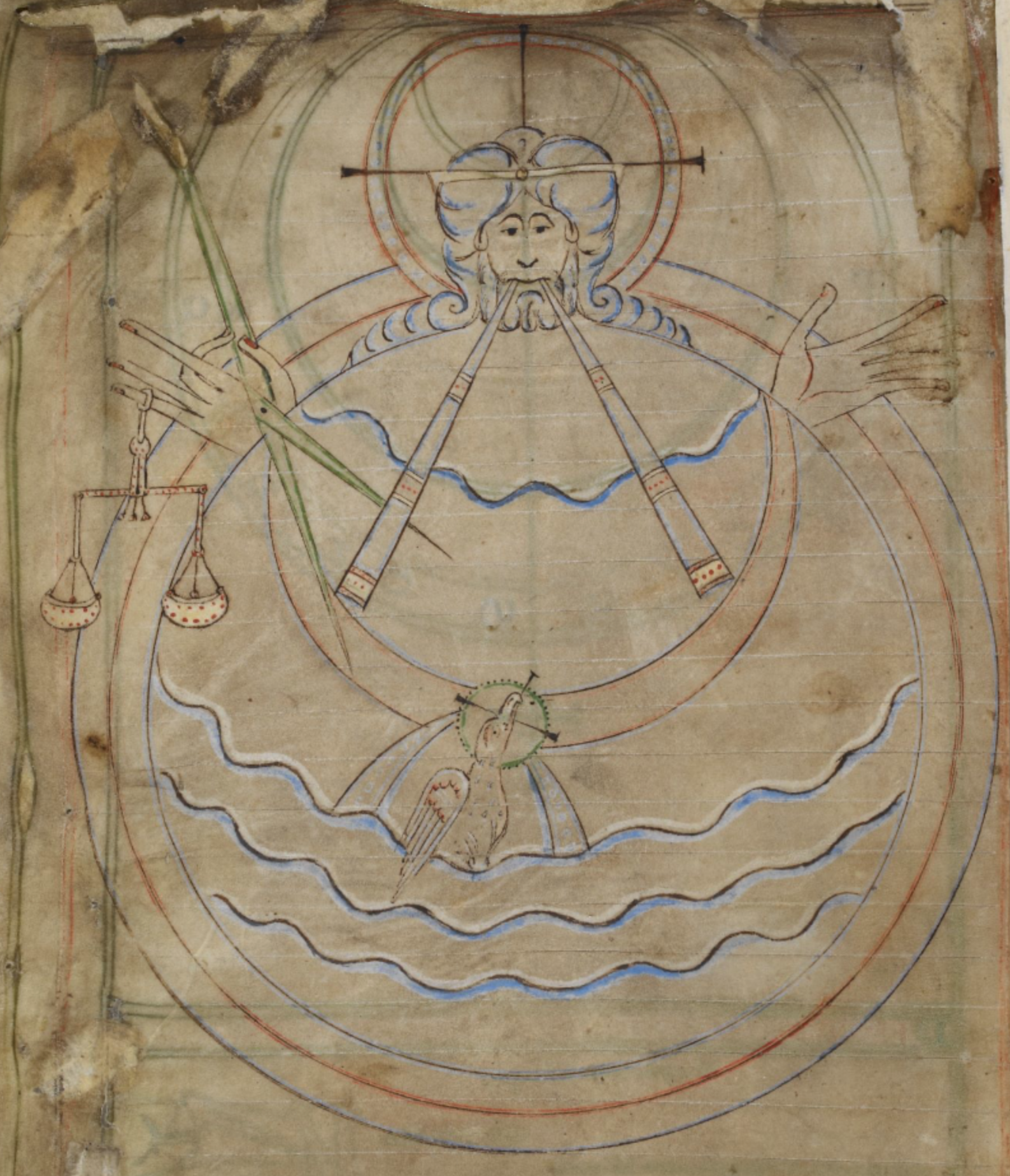
fæsten-dæg, m.n: fast-day, day appointed for fasting. (FASS-ten-DAIE / ˈfæ-stɛn-ˌdæj)
bōc-lēden, n.n: book-language, Latin (since most books were written in Latin). (BOAK-LAY-den / ˈboːk-ˌleː-dɛn)
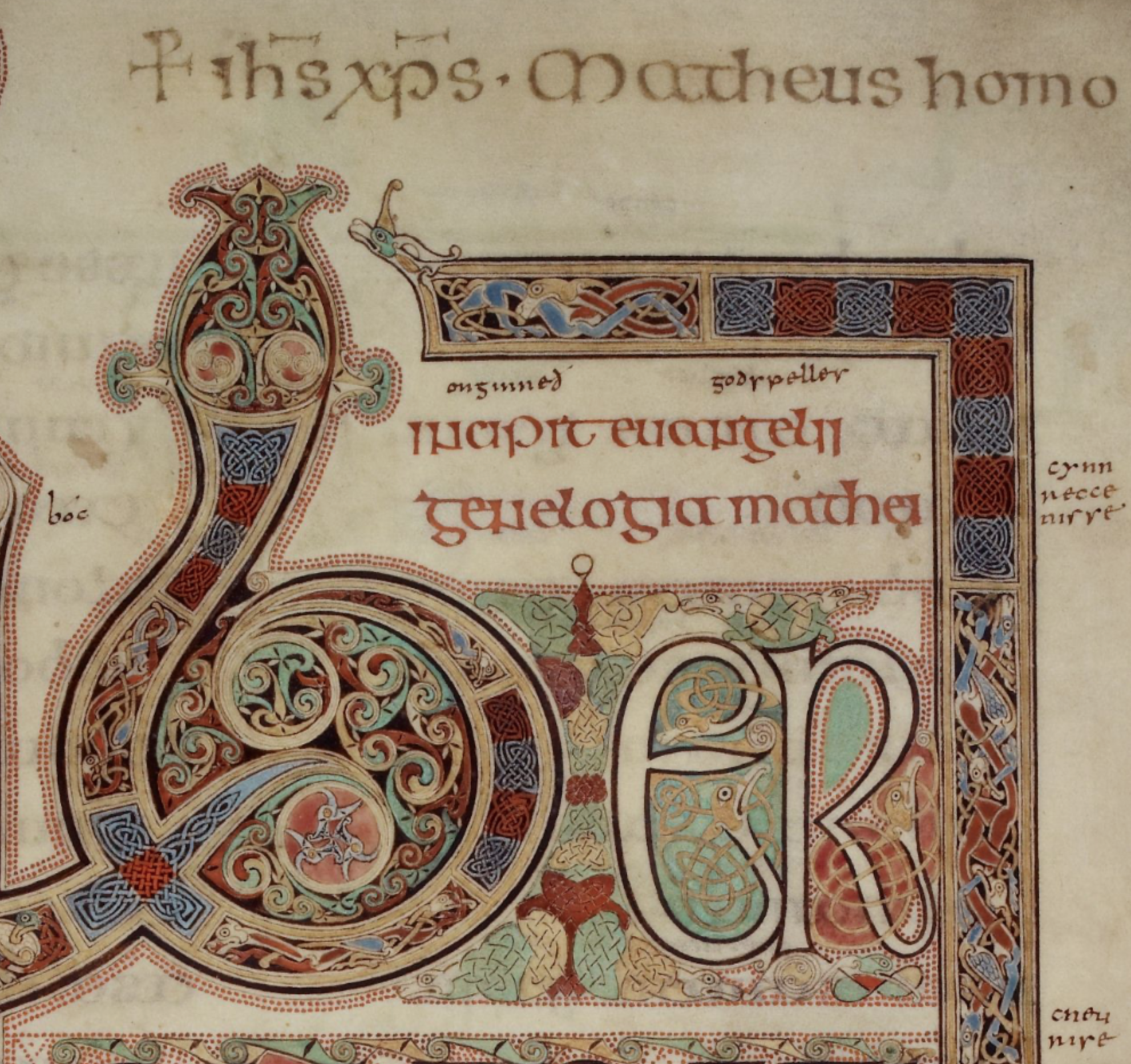
hām-cyme, m.n: homecoming, return. (HAHM-KUE-muh / ˈhaːm-ˌky-mə)
miht, f.n: power, might. (MI’HT / ˈmɪxt)
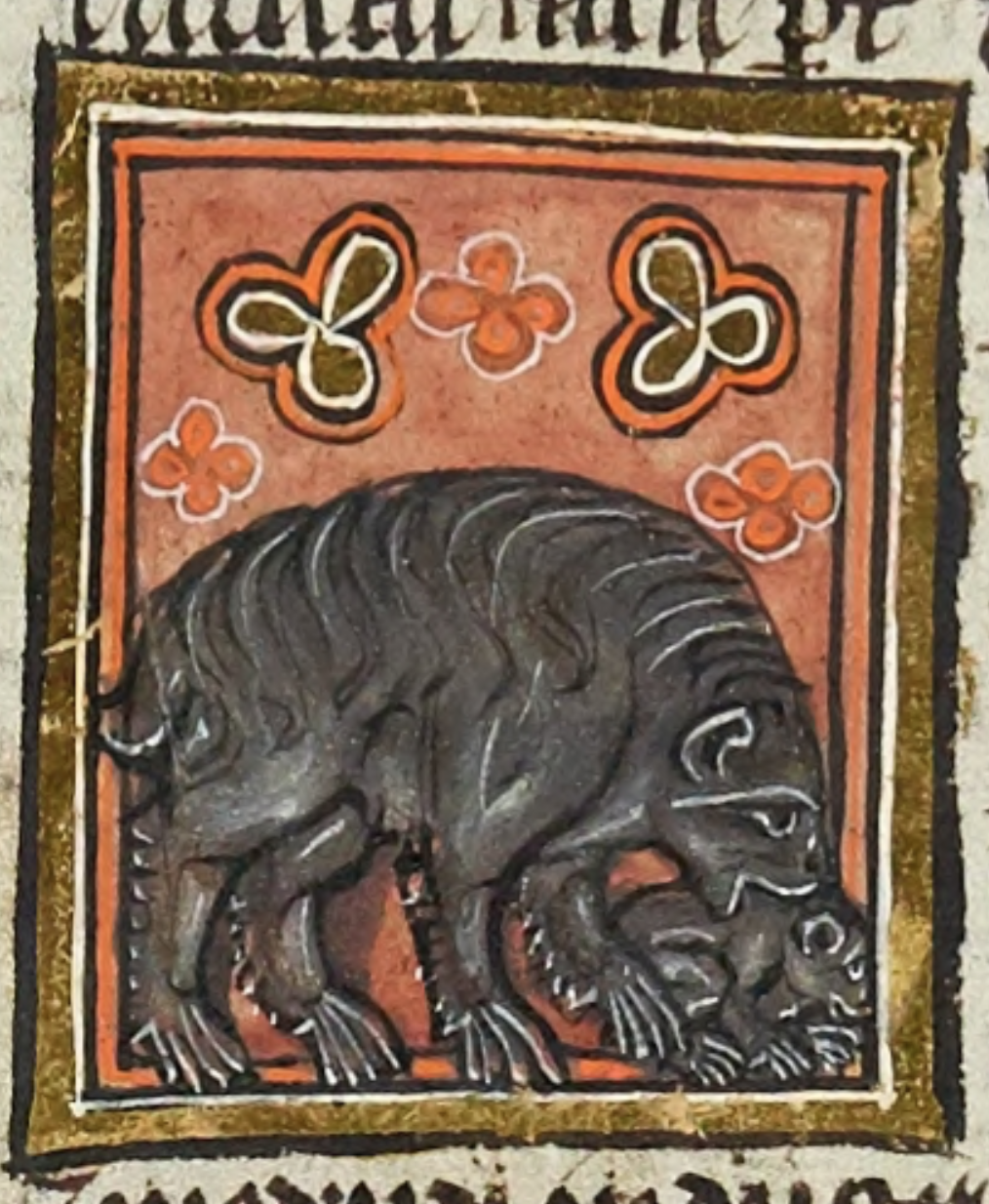
bera, m.n: bear. (BEH-ra / ˈbɛ-ra)
 Old English Wordhord