pūcel, m.n: goblin, demon. (POO-chell / ˈpuː-tʃɛl)
Category Archives: wordhord book
blōt-mōnaþ
blōt-mōnaþ, m.n: November (‘sacrifice-month’). (BLOAT-MO-nath / ˈbloːt-ˌmoː-naθ)
dēaþ-scūa
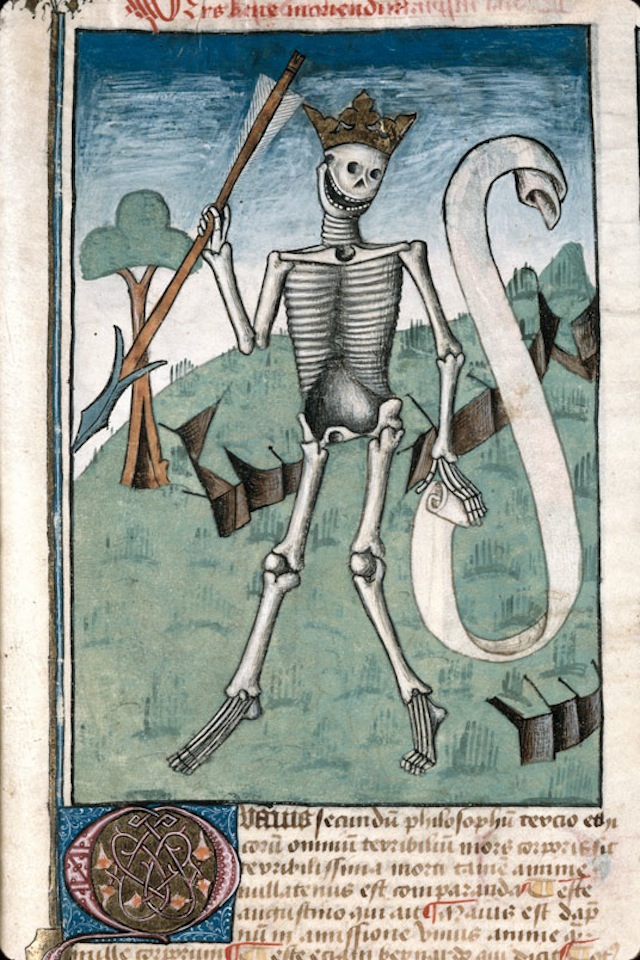
dēaþ-scūa, m.n: shadow of death, death. (DAY-ath-SHOO-ah / ˈdeːaθ-ˌʃuːa)
un-mann
un-mann, m.n: bad person, inhuman person; hero, one who is more than an average person. (UN-MAHN / ˈʌn-ˌman)
aglǣcwīf
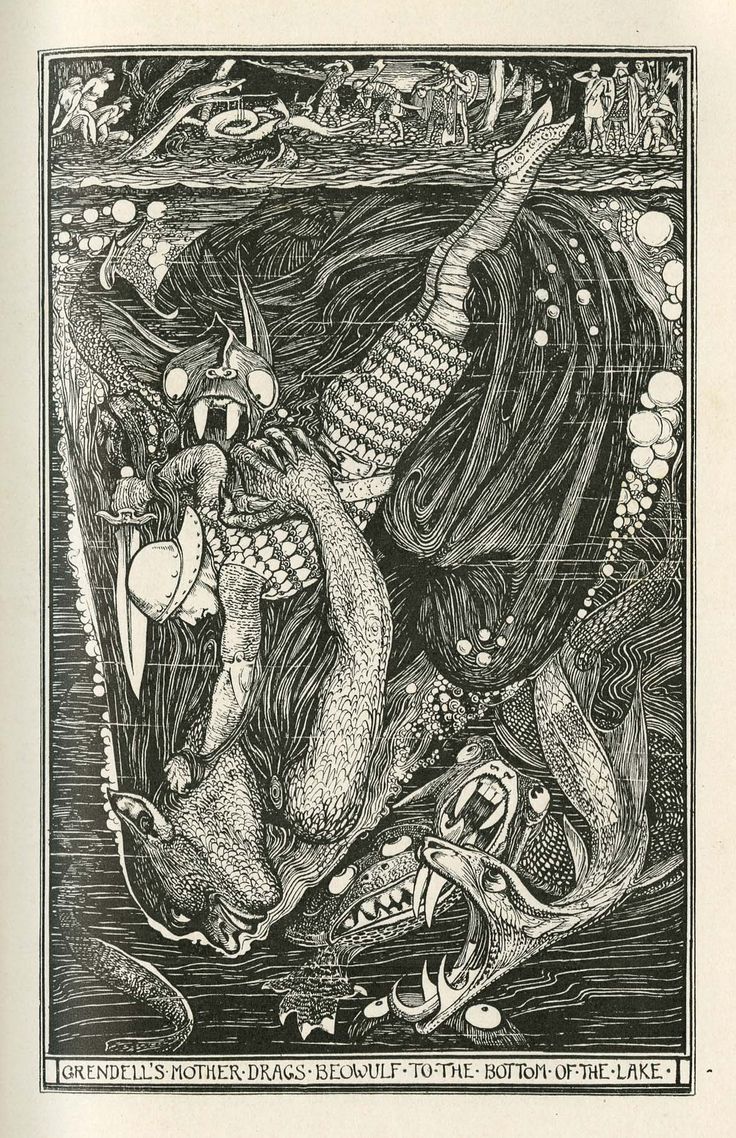
aglǣcwīf, n.n: hostile female fighter, fierce female combatant. (AH-GLATCH-weef / ˈa-ˌglæːtʃ-wiːf)
āglǣca
āglǣca, m.n: hostile fighter, fierce combatant, great opponent. (AH-GLATCH-ah / ˈa-ˌglæː-tʃa)
There aren’t any good word-for-word translations. Often translators use ‘monster’ but there is no word in Old English that means simply ‘monster’, and āglǣca can refer to (human) heroes as well as monsters. Grendel is an āglǣca but so is Beowulf.
grund-wyrgen
grund-wyrgen, f.n: wolf of the deep. (GRUND-WUER-yen / ˈgrʌnd-ˌwyr-jɛn)
Grendel’s mother is described as a grund-wyrgen.
scucca
scucca, m.n: devil, demon; Satan. (SHUCK-ah / ˈʃʌ-ka)
hell-rūne
hell-rūne, f.n: demon, one who knows hell’s mysteries. (HELL-ROON-uh / ˈhɛl-ˌruː-nə)
winter-fylleþ
winter-fylleþ, m.n: October. (WIN-ter-FUELL-eth / ˈwɪn-tɛr–ˌfyl-lɛθ)

