Palm-sunnandæg, m.n: Palm Sunday (a moveable feast day commemorating Jesus’s triumphal entry into Jerusalem, one week before Easter). [PALM-SUN-non-DÆY]
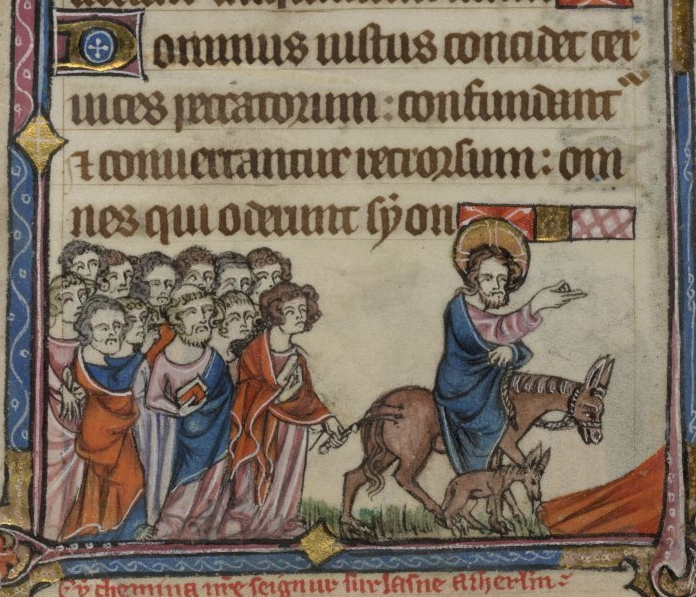
Palm-sunnandæg, m.n: Palm Sunday (a moveable feast day commemorating Jesus’s triumphal entry into Jerusalem, one week before Easter). [PALM-SUN-non-DÆY]
frēols, m.n: freedom, immunity, privilege; a time of freedom, a holy day, feast, festival, the celebration of a festival. (FRAY-ols)
be-gang, m.n: a course, way, passage, circuit, district; an undertaking, a business, exercise, service, religious worship. (beh-GAHNG)
gāst-genīþla, m.n: a persecutor or foe of souls, the devil. (GAHST-yeh-NEETH-la)
This week’s Wordhord Wednesday post is on Old English professions and surnames. Read it on Patreon.
ciric-þēnung, f.n: church-duty or service. (CHI-rich-THAY-nung)
This week’s Wordhord Wednesday post is on burning tears. Read it on Patreon.
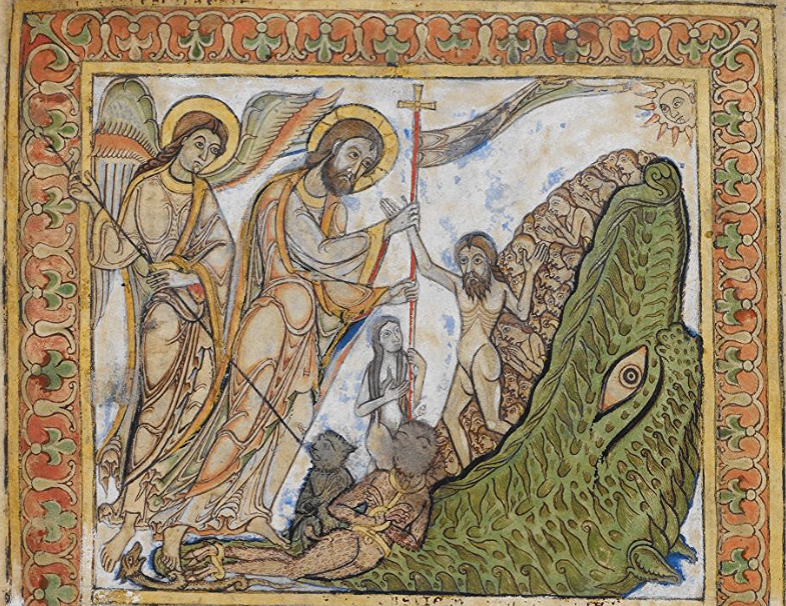
hell-grund, m.n: the depth of hell. (HELL-grund)
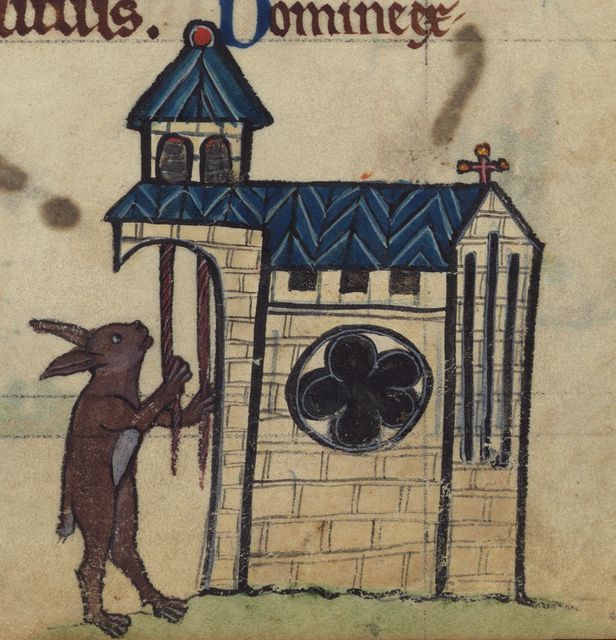
cyric, f.n: a church. (KUR-ich)
cyning, m.n: a king, monarch, male sovereign; God, Christ. (KUE-ning / ˈky-nɪŋ)
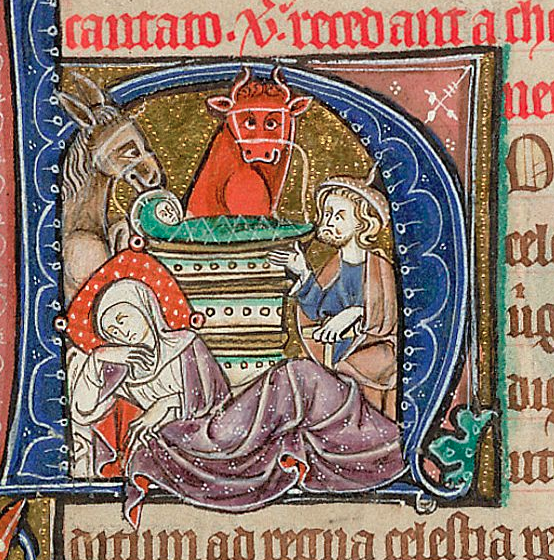
hūsel-gang, m.n: partaking of the sacrament; receiving of the Eucharist, Communion. (HOO-zel-GONG)
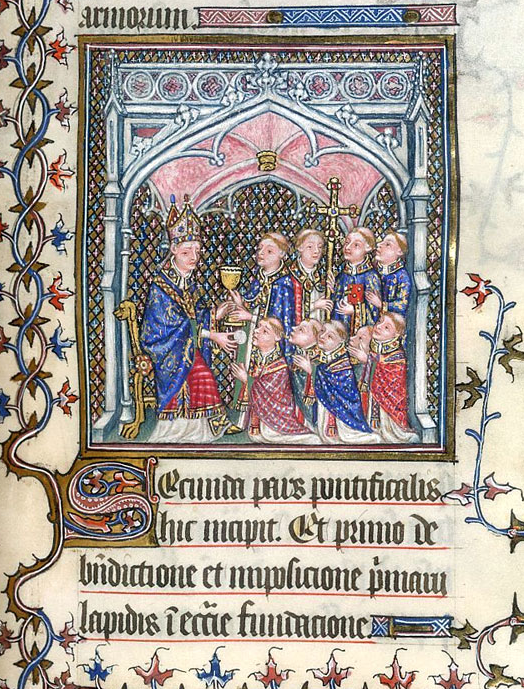
hālgung-bōc, f.n: a benedictional, a book containing a collection of benedictions or blessings. (HALL-gung-BOAK)

