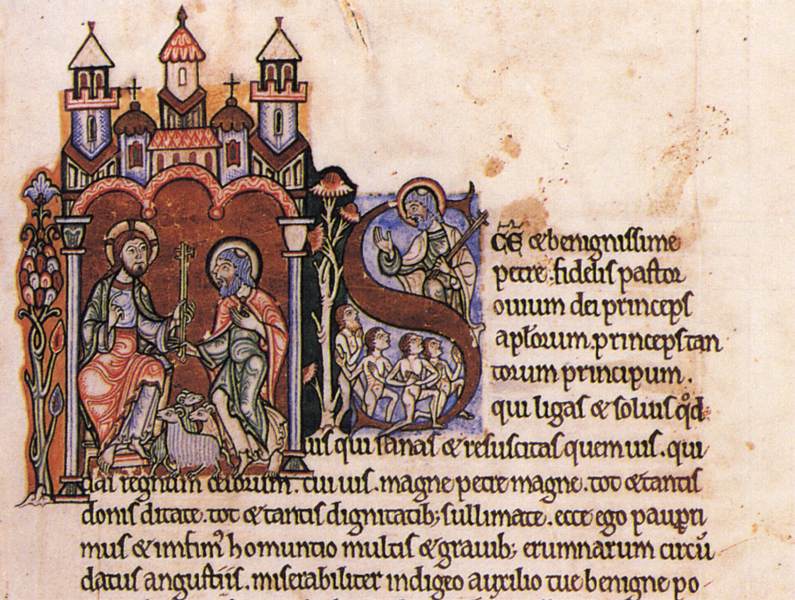
smēaþ, f.n: meditation. (SMAY-ath)
This week’s Wordhord Wednesday post is the LeechMD Guide to Elf Enchantments. Read it on Patreon.
smēaþ, f.n: meditation. (SMAY-ath)
This week’s Wordhord Wednesday post is the LeechMD Guide to Elf Enchantments. Read it on Patreon.
mæsse-prēost, m.n: a priest not of the Christian church; a priest of the Christian church who had attained the last of the seven appointed orders and could celebrate the mass. His orders were the same as a bishop’s, but only a bishop could ordain priests, confirm children, and consecrate churches. (MASS-seh-PRAY-ost)
godcund, adj: of the nature of God, divine, religious, sacred. (GOD-kund)
ciric-tūn, m.n: a church enclosure, churchyard, cemetery. (CHIR-itch-TOON)
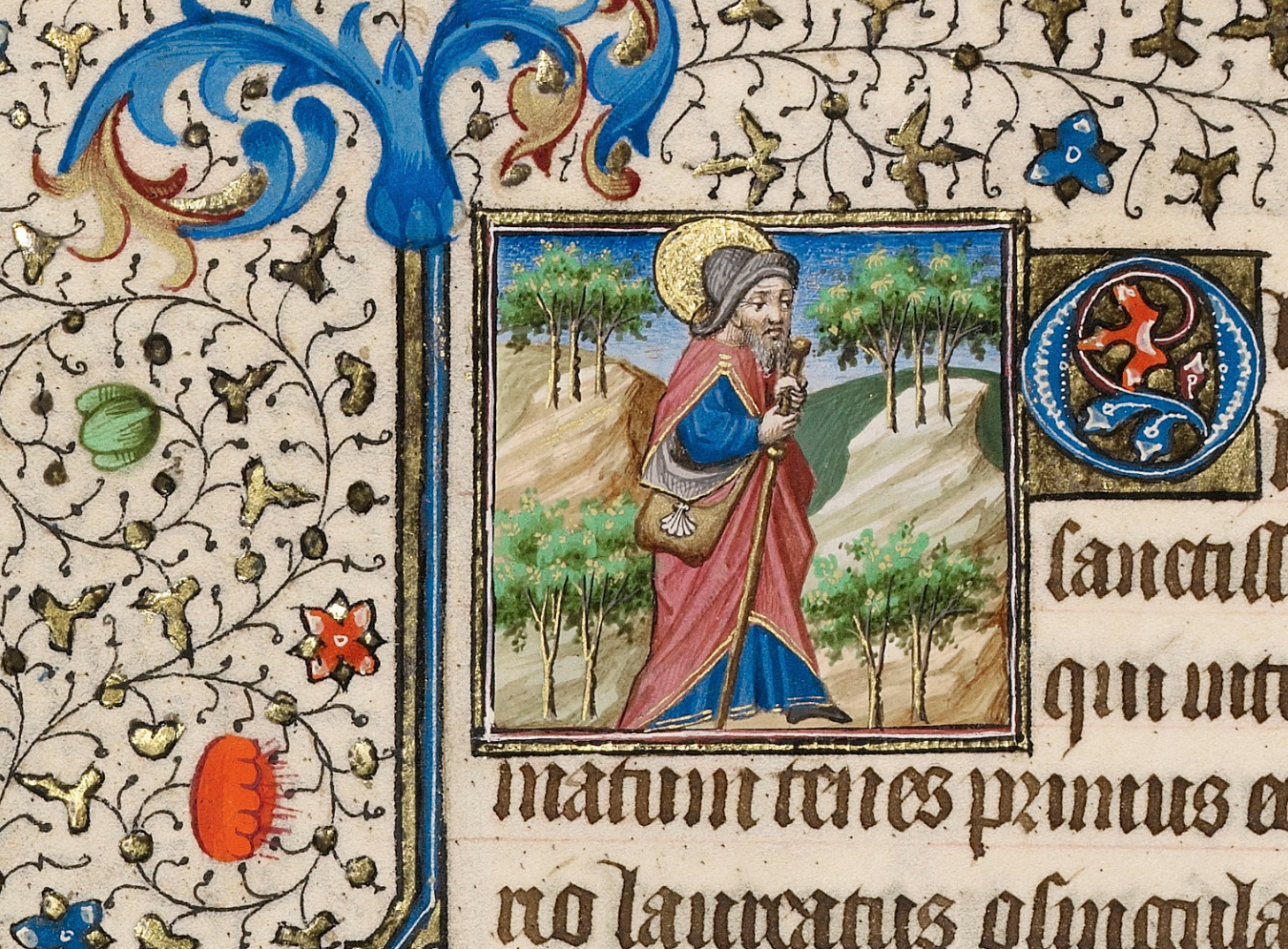
relic-gang, m.n: a journey to visit relics. (REL-lich-gong)
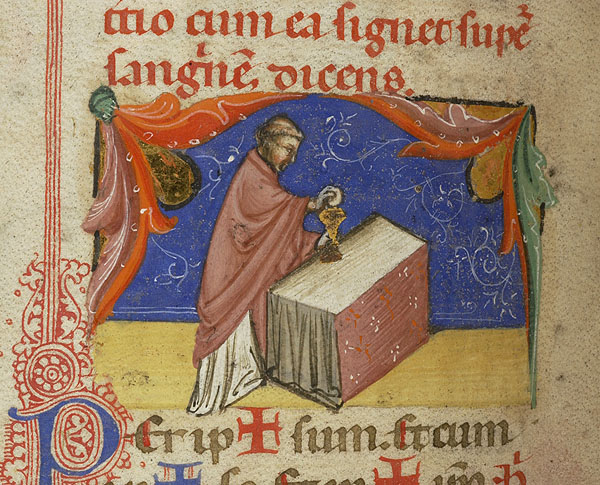
wīgbed-þegen, m.n: a minister of the altar, an ecclesiastic who performs service at the altar. (WEE-bed-THAY-yen)
up-godu, pl.n.n: the gods above. (UP-GOD-uh)
ēaster-niht, f.n: ‘Easter-night’, the night of Holy Saturday. (AY-ah-ster-NI-h’t)
ēaster-frēolsdæg, m.n: paschal feast, Passover. (AY-ah-ster-FRAY-olz-dæy)

ancor-līf, n.n: eremitic life; life as a hermit, religious recluse or anchorite. (AHN-kor-leef)


![[commons.wikimedia.org]](https://commons.wikimedia.org/wiki/File:12th-century_painters_-_Meditations_of_St_Anselm_-_WGA15732.jpg)