nefene, f.n: niece. (NEH-ven-uh / ˈnɛ-vɛ-nə)
In this week’s Wordhord Wednesday, I read from Beowulf: Beowulf vs. Grendel’s mother. Read/hear it on Patreon.
nefene, f.n: niece. (NEH-ven-uh / ˈnɛ-vɛ-nə)
In this week’s Wordhord Wednesday, I read from Beowulf: Beowulf vs. Grendel’s mother. Read/hear it on Patreon.
lēasere, m.n: liar, deceitful person; buffoon, jester; a member of a bodyguard or retinue; guard, officer. (LAY-ah-zeh-ruh / ˈleːa-zɛ-rə)
wægn-wyrhta, m.n: wainwright, someone who makes wagons or carts. (WAYN-WUER-h’ta / ˈwæjn-ˌwyrx-ta)
fengel, m.n: prince, king. (FEN-yell / ˈfɛn-jɛl)
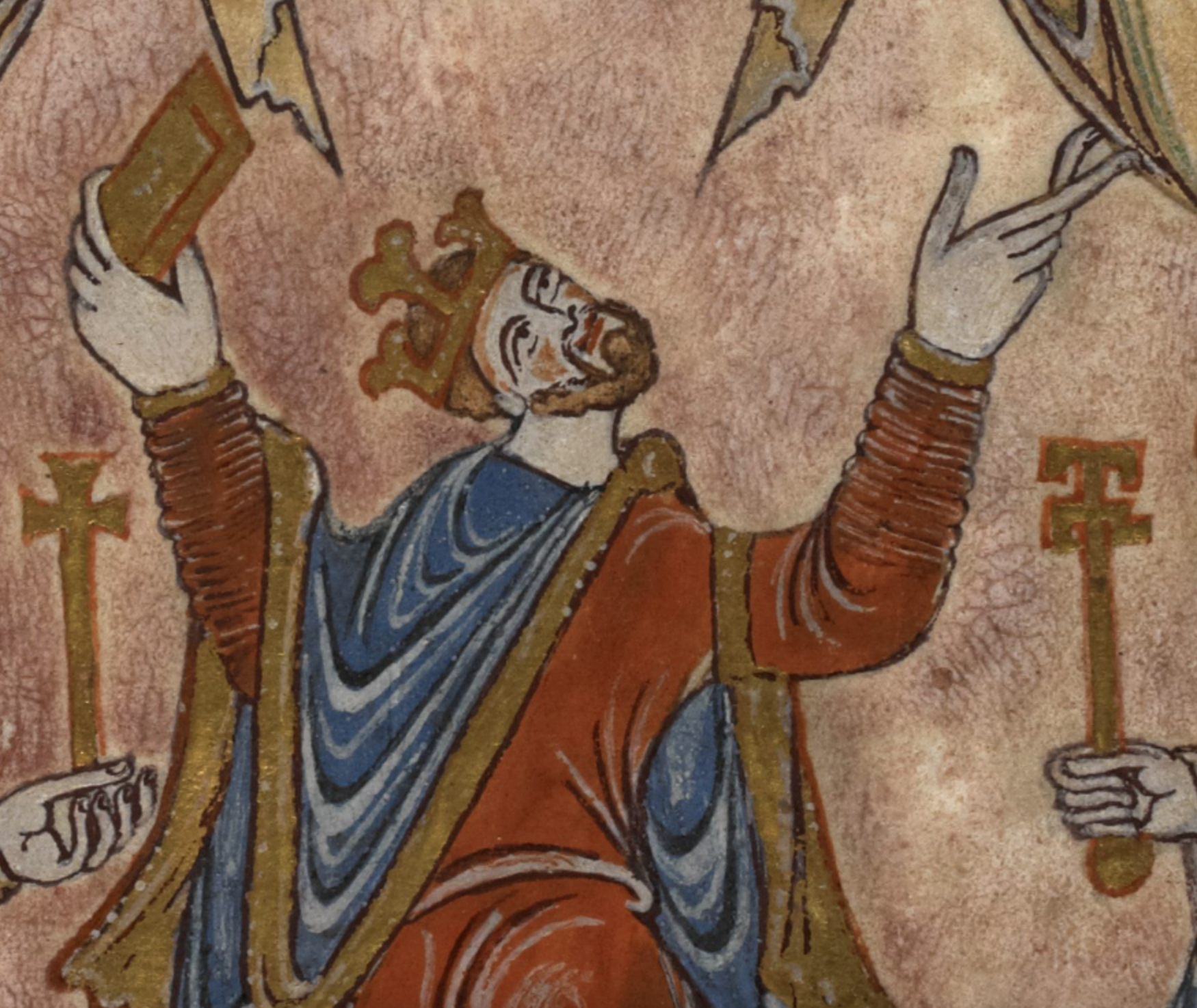
lǣwa, m.n: betrayer. (LAE-wa / ˈlæː-wa)
In this week’s Wordhord Wednesday I read from Beowulf: the hero’s arrival. Read/hear it on Patreon.
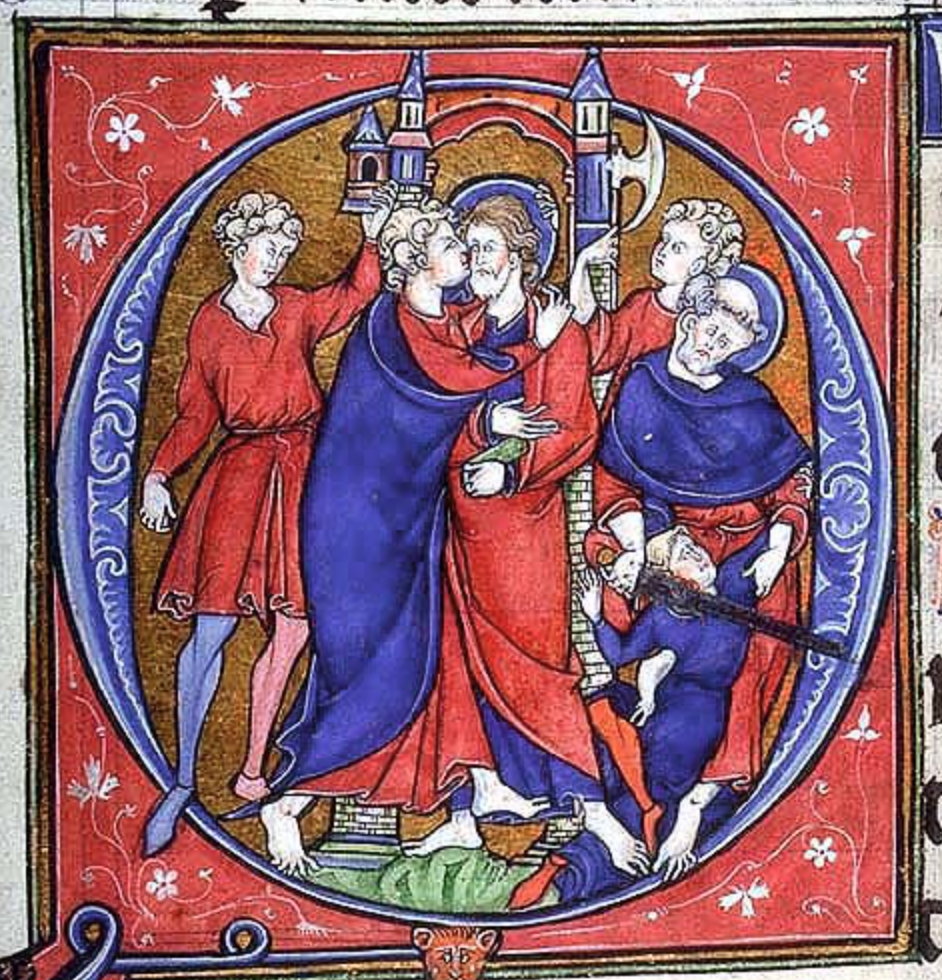
stān-wyrhta, m.n: stonemason. (STAHN-WUER-h’ta / ˈstaːn-ˌwyrx-ta)
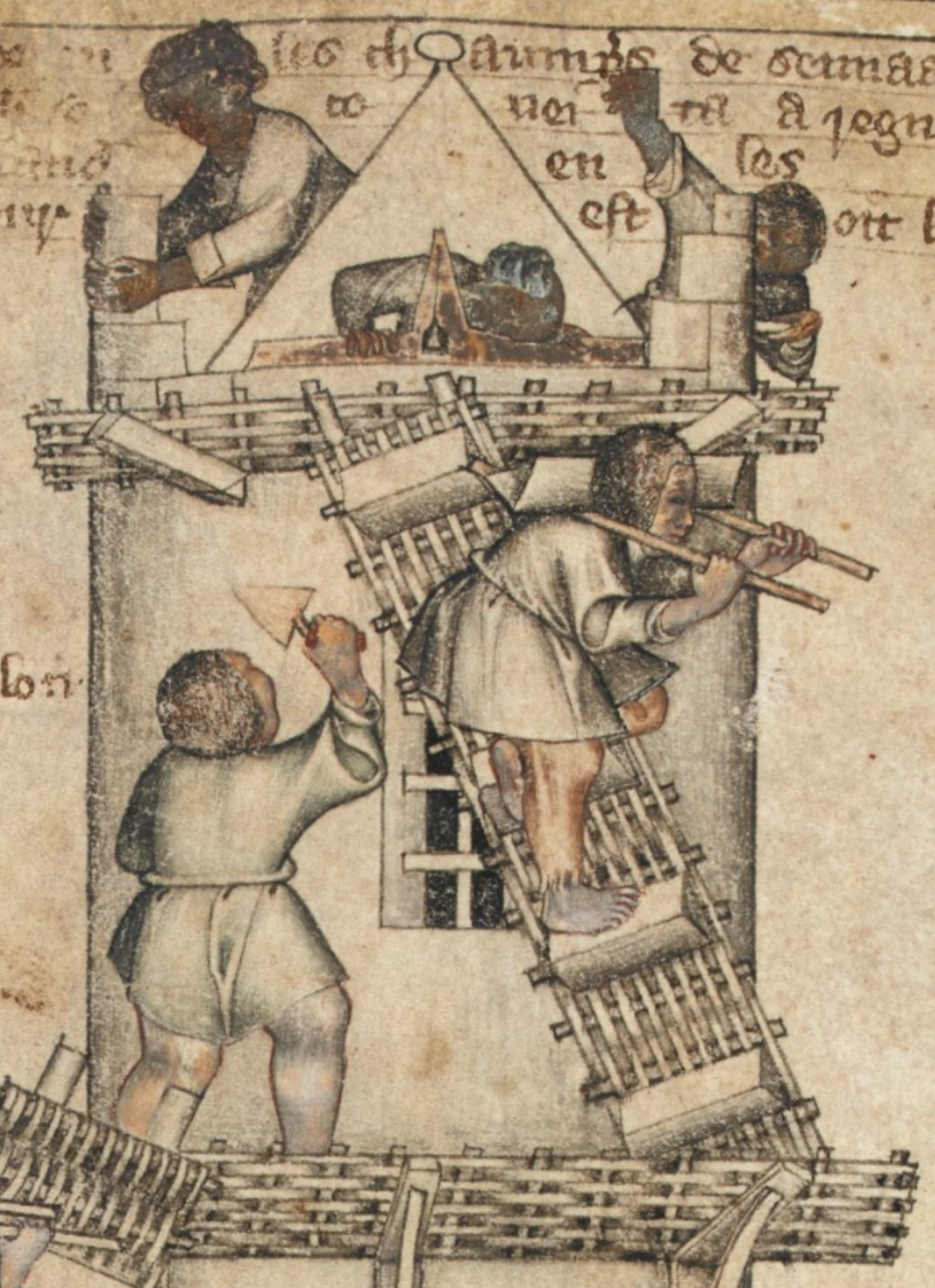
scop, m.n: poet. (SHOP / ˈʃɔp)

hunta, m.n: hunter.; possibly a venomous spider or a hunting spider. (HUN-tah / ˈhʌn-ta)

hīw-rǣden, f.n: a family, household, house, a religious house. (HEE-ew-RADD-en / ˈhiːw-ˌræː-dɛn)
leðer-wyrhta, m.n: tanner, currier, someone who works in leather. (LEH-ther-WUER-h’ta / ˈlɛ-θɛr-ˌwyrx-ta)

