pūcel, m.n: goblin, demon. (POO-chell / ˈpuː-tʃɛl)
Category Archives: hord highlights
dwimor
dwimor, n.n: an illusion, delusion, apparition; phantom. (DWIH-mor / ˈdwɪ-mɔɹ)
Happy Halloween!
dēaþ-scūa
dēaþ-scūa, m.n: shadow of death, death. (DAY-ath-SHOO-ah / ˈdeːaθ-ˌʃuːa)
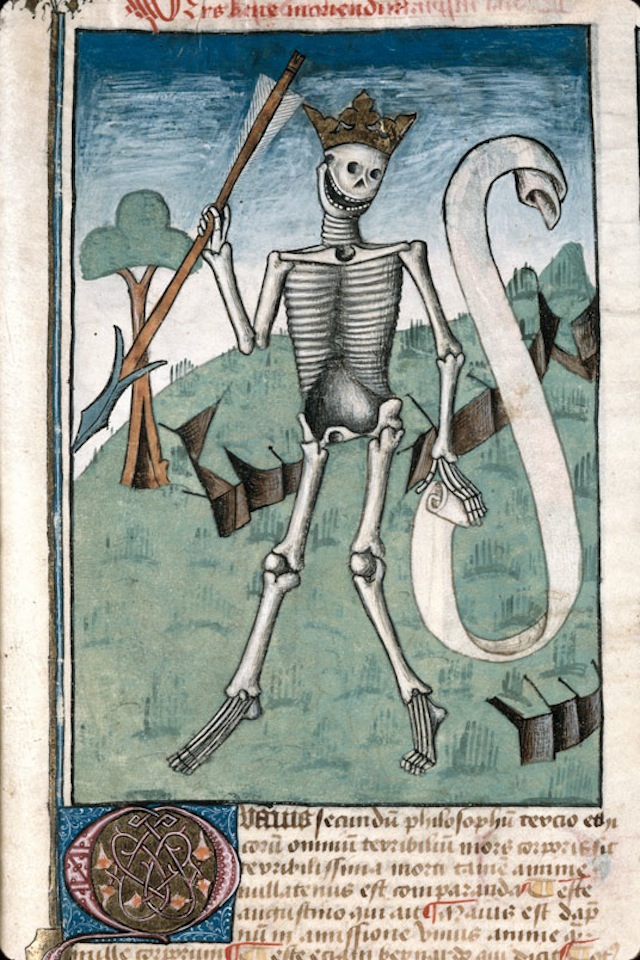
un-mann
un-mann, m.n: bad person, inhuman person; hero, one who is more than an average person. (UN-MAHN / ˈʌn-ˌman)
aglǣcwīf
aglǣcwīf, n.n: hostile female fighter, fierce female combatant. (AH-GLATCH-weef / ˈa-ˌglæːtʃ-wiːf)
āglǣca
āglǣca, m.n: hostile fighter, fierce combatant, great opponent. (AH-GLATCH-ah / ˈa-ˌglæː-tʃa)
There aren’t any good word-for-word translations. Often translators use ‘monster’ but there is no word in Old English that means simply ‘monster’, and āglǣca can refer to (human) heroes as well as monsters. Grendel is an āglǣca but so is Beowulf.
hleahtor-smiþ
hleahtor-smiþ, m.n: entertainer, minstrel (laughter-smith). (HLEH-ah-h’tor-SMITH / ˈhlɛax-tɔr-ˌsmɪθ)
pyffan
pyffan, wk.v: to breathe out. (PUFF-ahn / ˈpɝ-fan)

gyte-sǣl
gyte-sǣl, m.n: joy at the pouring out of wine. (YUH-tuh-SAEL / ˈjɝ-tə-ˌsæːl)

cwēn-fugol
cwēn-fugol, m.n: a female bird, hen. (KWAIN-FUH-gol / ˈkweːn-ˌfʌ-gɔl)


