wōr-hana, m.n: a pheasant. (WOAR-HA-na / ˈwoːɹ-ˌha-na)
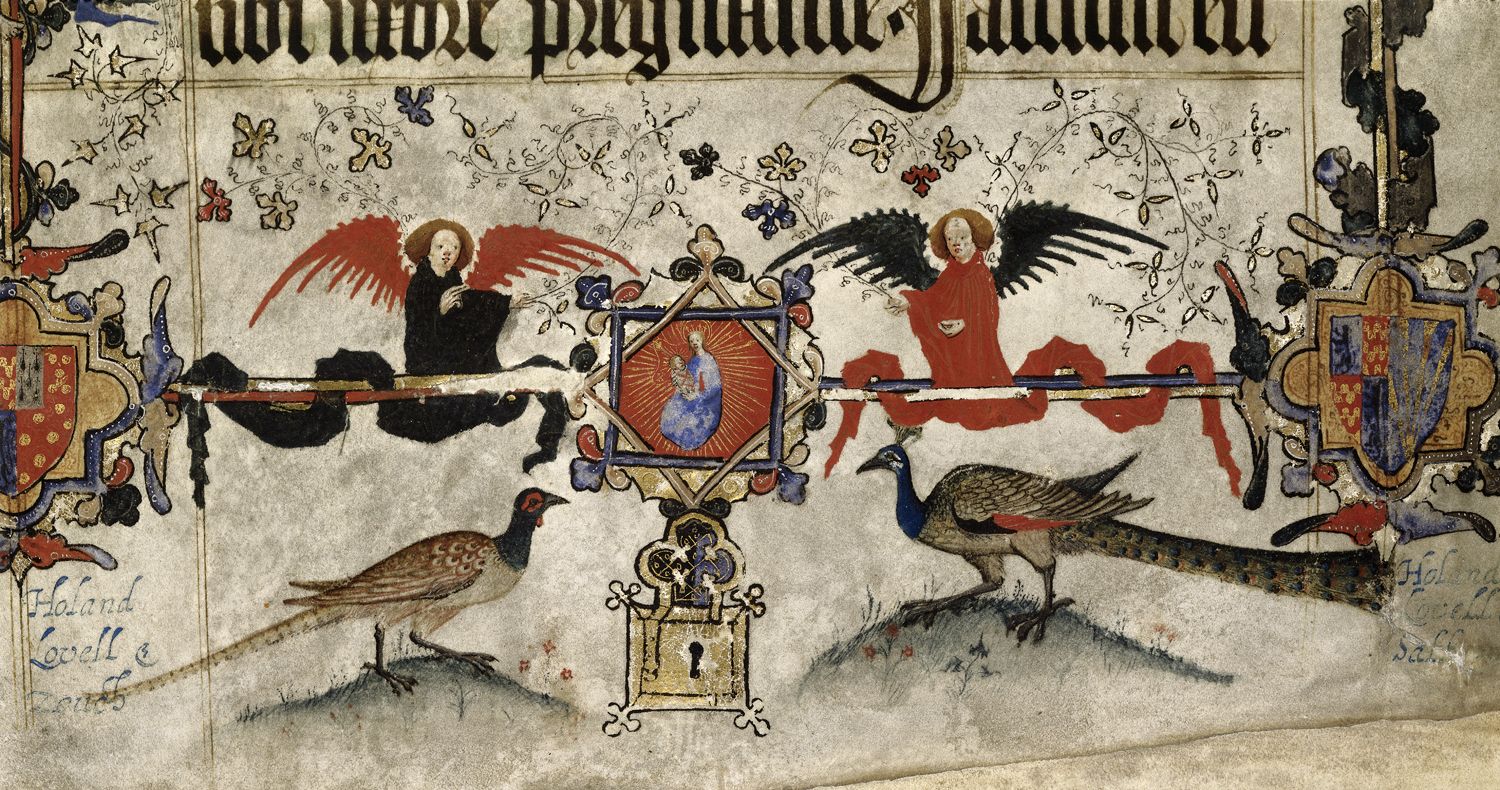
wōr-hana, m.n: a pheasant. (WOAR-HA-na / ˈwoːɹ-ˌha-na)
cwēn-fugol, m.n: a female bird, hen. (KWAIN-FUH-gol / ˈkweːn-ˌfʌ-gɔl)

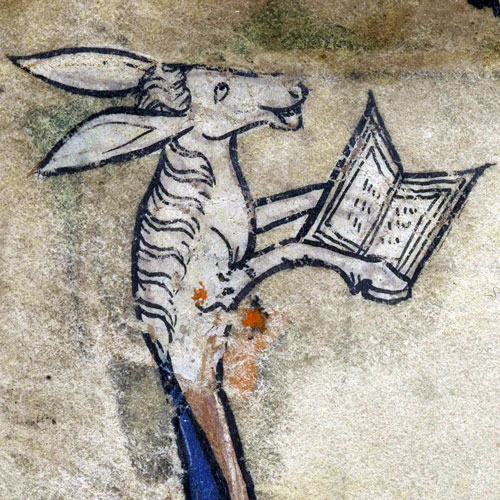
esol, m.n: an ass, donkey. (EH-zoll / ˈɛ-zɔl)
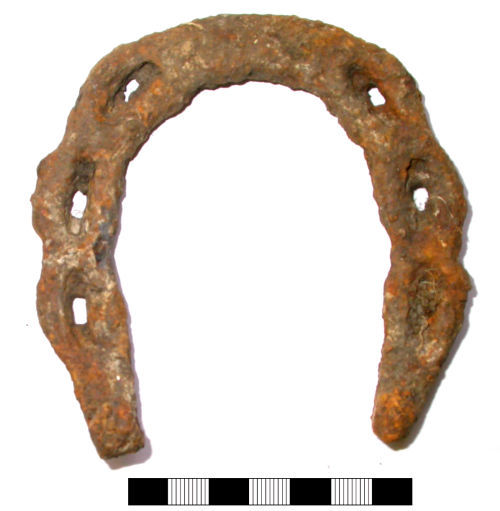
calc-rand, m.n: (of horses) shod. (KALK-ROND / ˈkalk-ˌɹand)
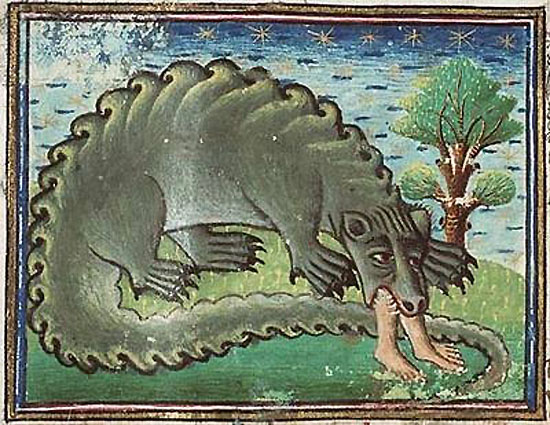
slit-cwealm, m.n: death by the tearing of animals. (SLIT-KWEH-alm / ˈslɪt-ˌkwɛalm)
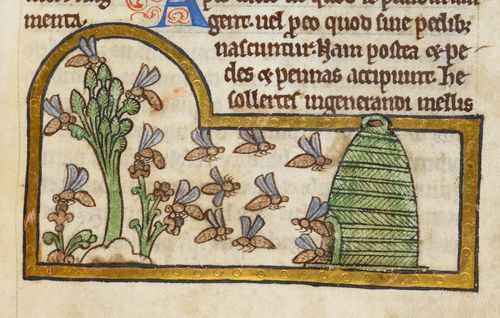
bēo-gang, m.n: a swarm of bees. (BAY-oh-GAHNG / ˈbeːɔ-ˌgaŋ)
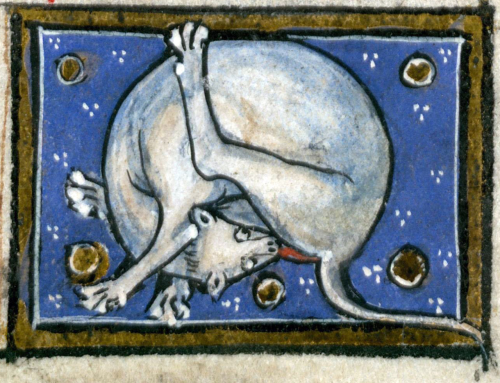
carl-cat, m.n: a male cat, tomcat. (KARL-KAHT / ˈkaɹl-ˌkat)
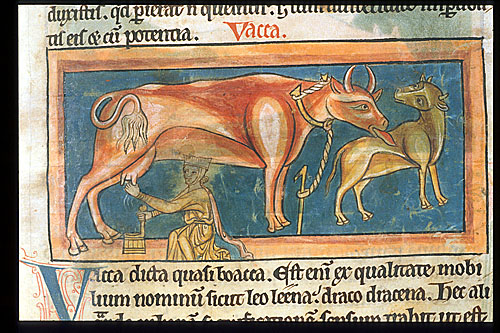
cū-wearm, adj: (of milk) warm from the cow (‘cow-warm’). (KOO-WEH-arm / ˈkuː-ˌwɛarm)
eofor-cumbol, n.n: boar-banner/boar-image, variously interpreted as boar-adorned standard or boar-image on a helmet. (EH-oh-vor-KUM-boll / ˈɛɔ-vɔɹ-ˌkʌm-bɔl)


