scēap, n.n: sheep. (SHAY-op / ˈʃeːap)
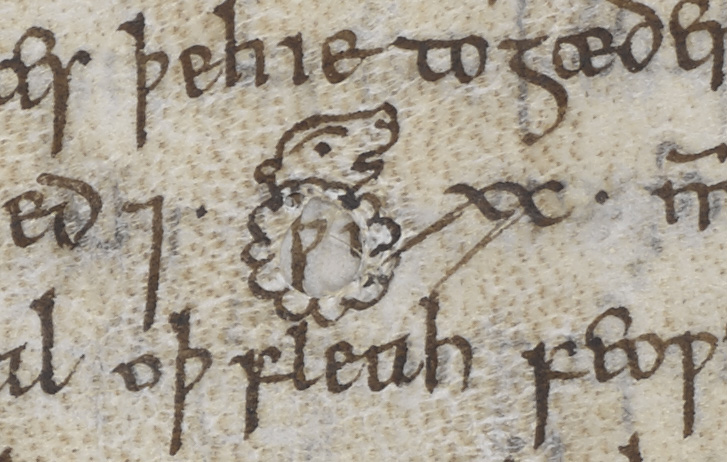
scēap, n.n: sheep. (SHAY-op / ˈʃeːap)
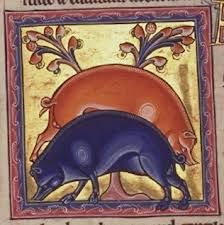
swīn-haga, m.n: an enclosure for swine. (SWEEN-HA-ga / ˈswiːn-ˌha-ga)
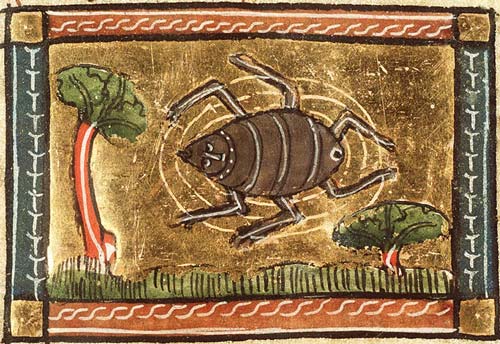
wæfer-gange, f.n: spider (weaver-walker). (WAV-er-GONG-guh / ˈwæ-vɛr-ˌgaŋ-gə)
See the new spider post on Dēor-hord, a medieval and modern bestiary!
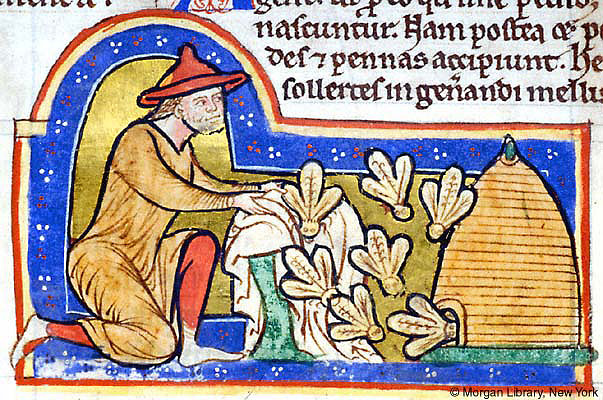
bēo-mōder, f.n: queen bee (‘bee-mother’). (BAY-oh-MO-der / ˈbeːɔ-ˌmoː-dɛɹ)
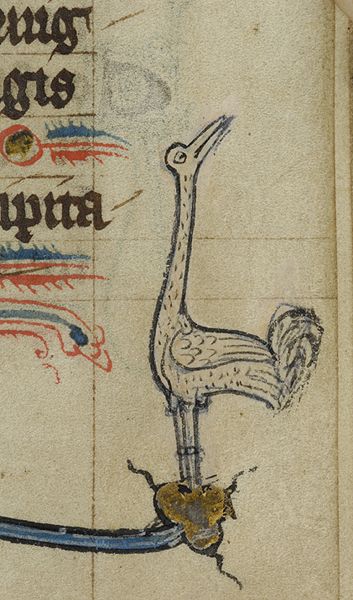
cran, m/f.n: a crane. (KRAWN / ˈkran)
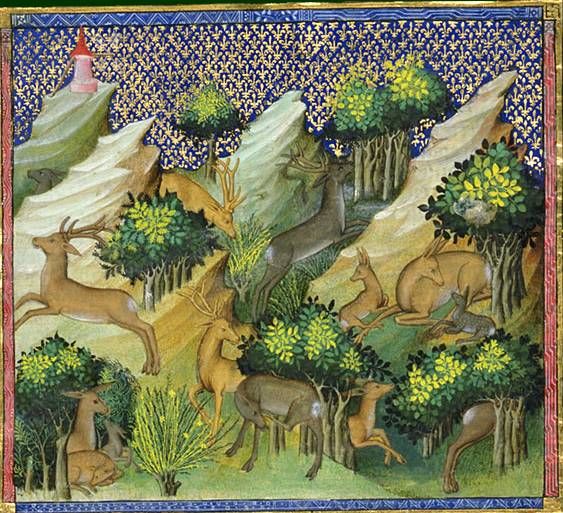
rā, m.n: roe deer. (RAH / ˈraː)
elp, m.n: elephant. (ELP / ˈɛlp)
Check out Dēorhord, the medieval and modern bestiary, to learn about the medieval elephant and see illustrations by medieval illuminators and the modern artist James Merry.
hasu-pāda, m.n: grey-cloaked one (an epithet for the eagle). (HA-zuh-PAH-da / ˈha-zʌ-ˌpaː-da)
heofon-fugol, m.n: ‘heaven-bird’, a bird of the air. (HEH-oh-von-FUH-goll / ˈhɛɔ-vɔn-ˌfʌ-gɔl)
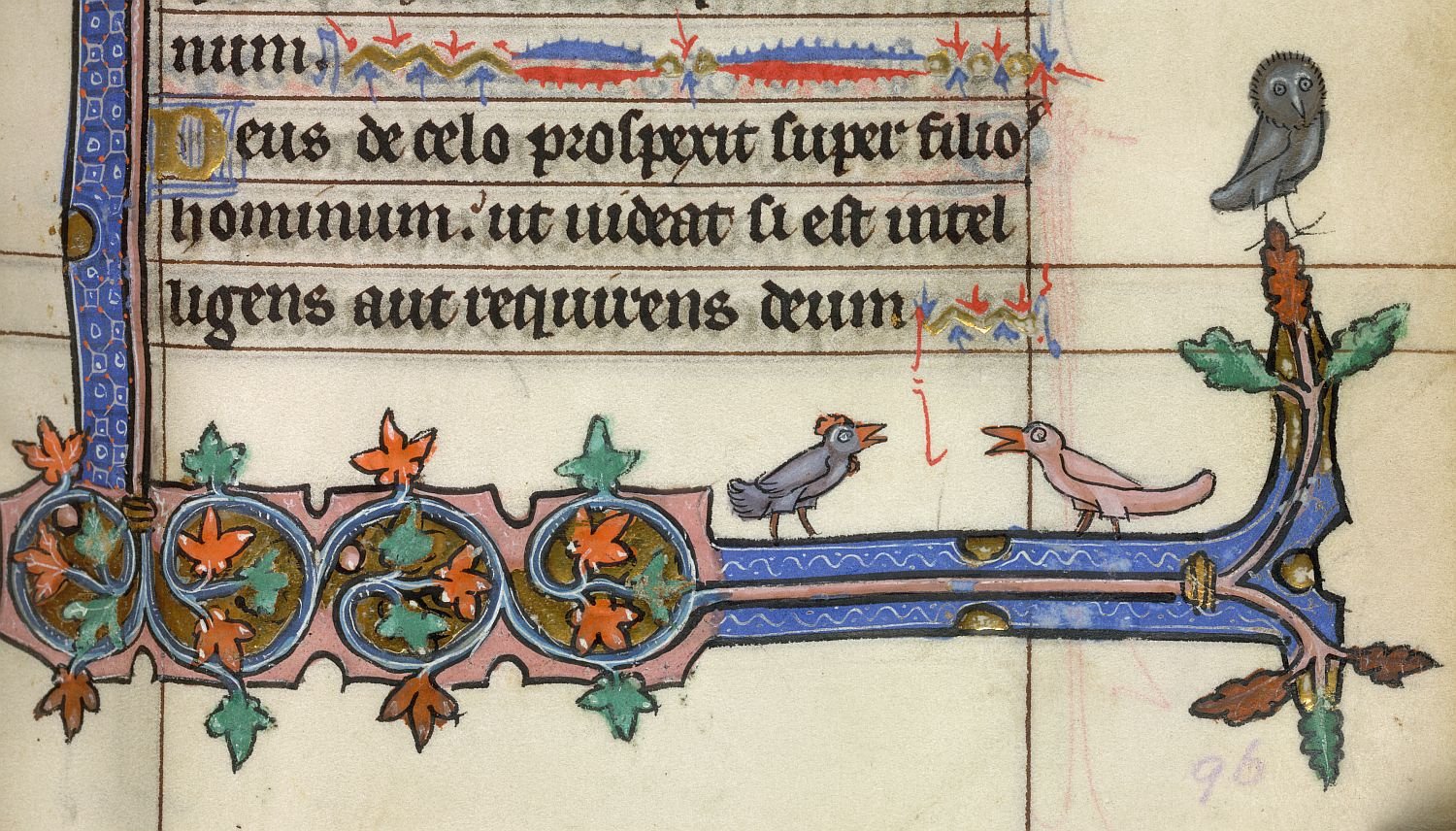
panþer, m.n: panther. (PAHN-ther / ˈpan-θɛr)
Learn about how the panþer was imagined in the Middle Ages (and see a modern artist’s rendition of him) at Dēor-hord, a medieval and modern bestiary.
 Old English Wordhord