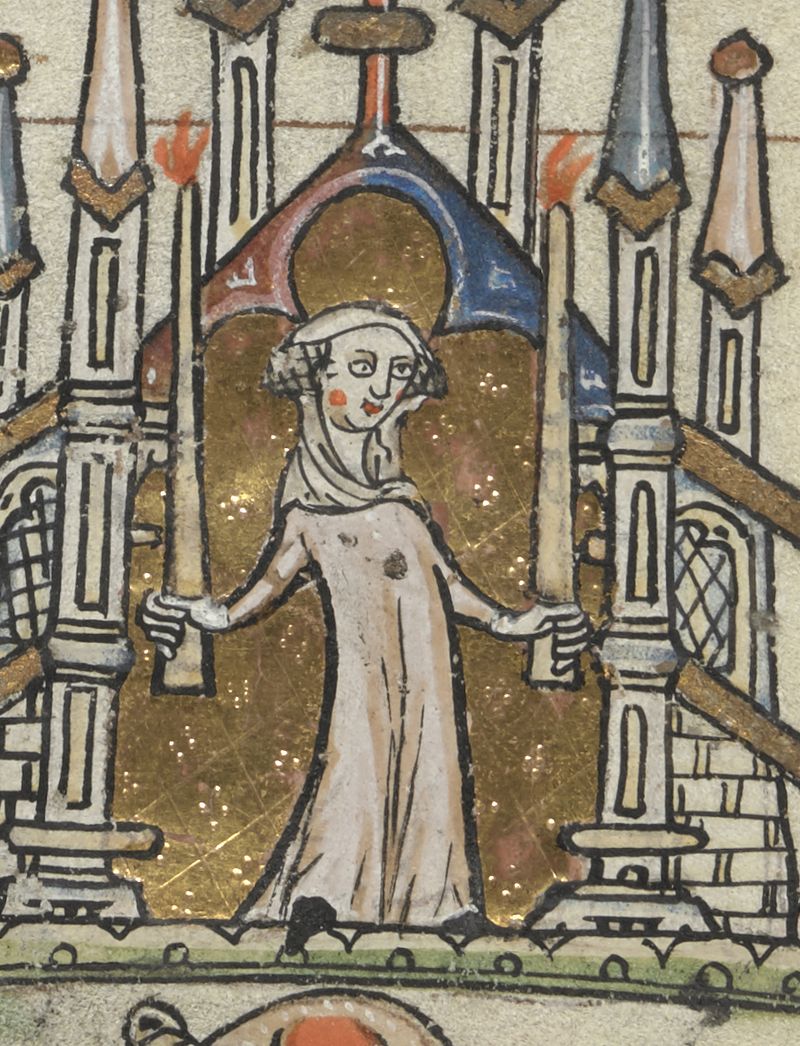
wela, m.n: wealth, riches; prosperity, happy estate. (WELL-ah)
Author Archives: Hana Videen
mid-singend
mid-singend, m.n: one who sings with another. (mid-SING-end)
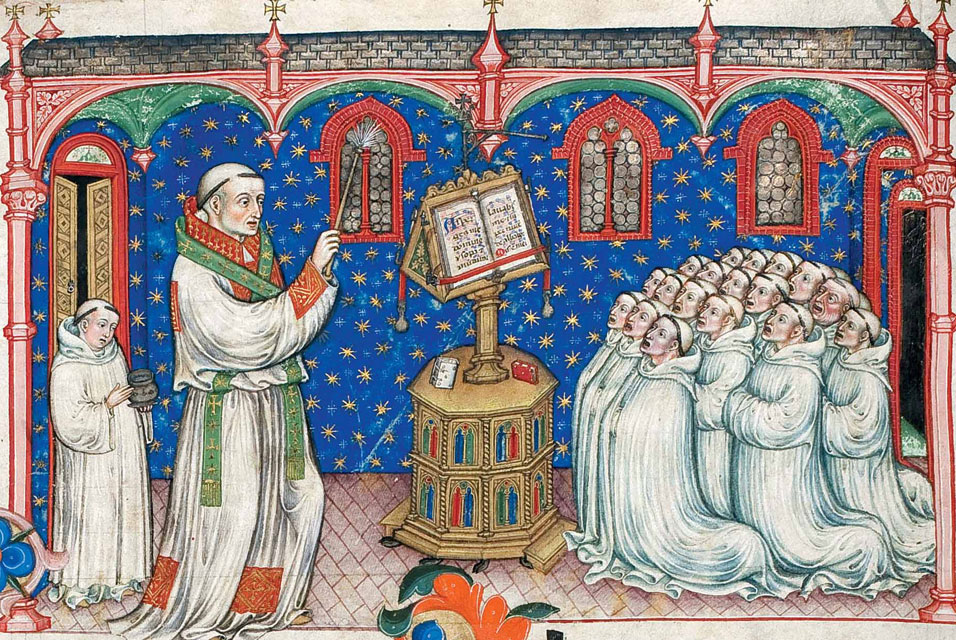
gemōt-stede
gemōt-stede, m.n: a meeting-place. (yeh-MOAT-sted-eh)
sige-bīme
sige-bīme, f.n: a trumpet which is sounded after victory. (SI-yeh-BEE-meh)

hrēþ-ēadig
hrēþ-ēadig, adj: glorious. (HRAITH-AY-ah-dee)
This week’s Wordhord Wednesday post is about Waldere and Hildegyth, lovers on the run. Read it on Patreon.
edwīt-scype
edwīt-scype, m.n: cowardice. (ED-weet-SHUP-eh)
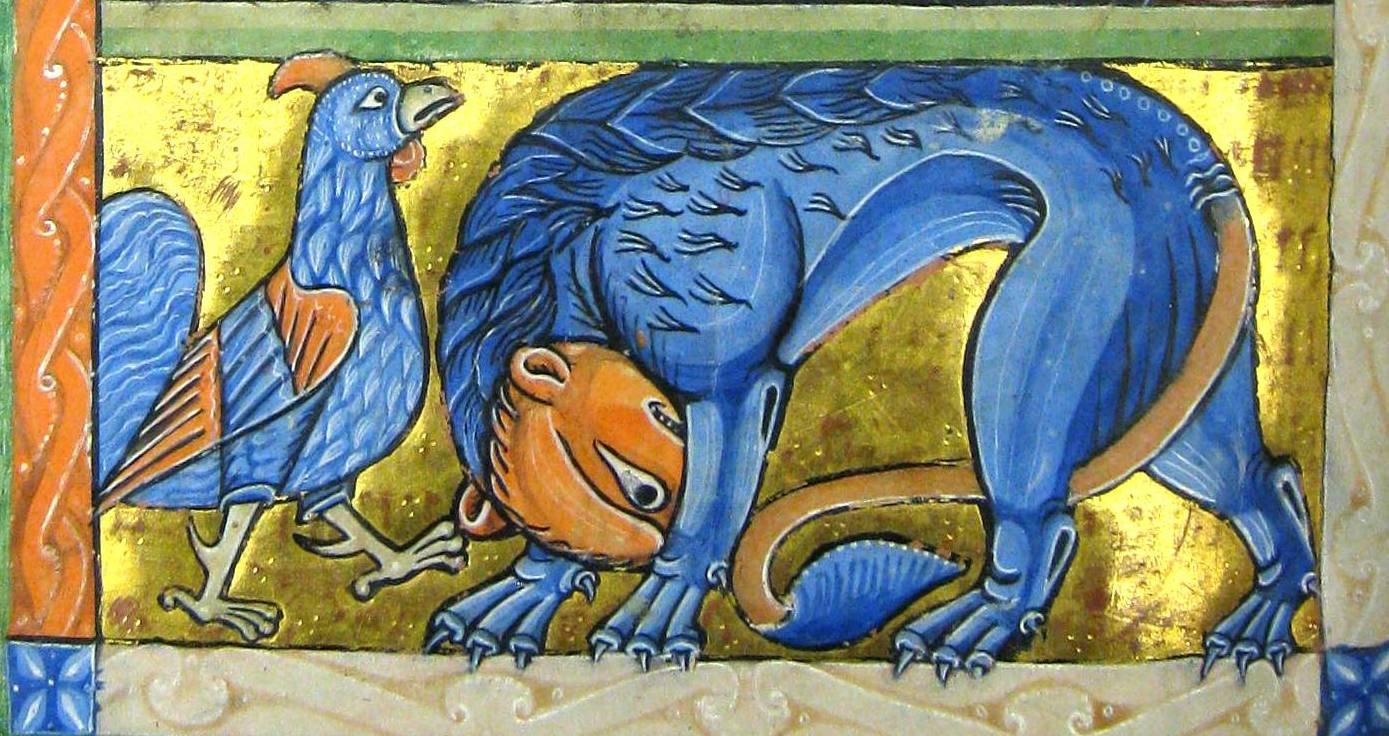
setl-gang
setl-gang, m.n: setting of the heavenly bodies (generally of the sun), marking time (sunset) or place (the west). (SEH-til-GONG)
hūsel-gang
hūsel-gang, m.n: partaking of the sacrament; receiving of the Eucharist, Communion. (HOO-zel-GONG)
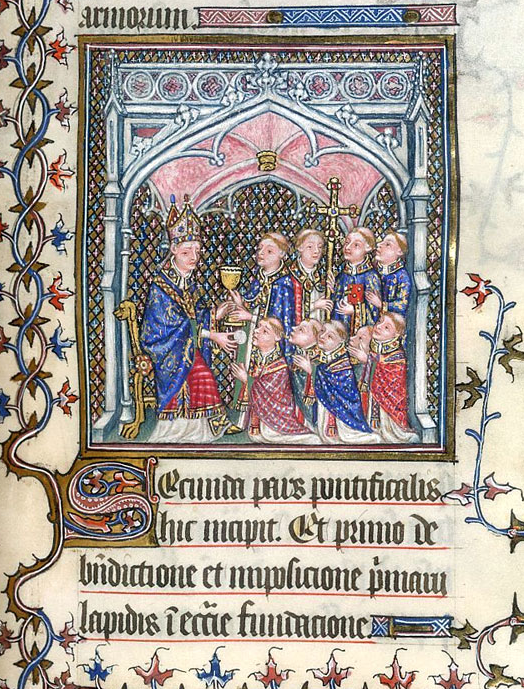
on-gitan
on-gitan, str.v: to perceive (by seeing, hearing or feeling); to feel, be of opinion, judge; to know, hear of, find out; to recognize. (on-YIT-ahn)
rōt
rōt, adj: glad, cheerful. (ROAT / ˈroːt)