lēac-trog, m.n: a bunch of berries. (LAY-ock-TROG)
This week see how I write a Wordhord Wednesday post on Patreon.
lēac-trog, m.n: a bunch of berries. (LAY-ock-TROG)
This week see how I write a Wordhord Wednesday post on Patreon.
hrǣc-gebræc, n.n: a cold in the chest, hoarseness. (HRACK-yeh-BRACK)
Patrons, you have one week to send me your requests for Goldgifa Week! Find out more on Patreon.
ēste, adj: gracious, bountiful. (AY-steh)
īfig-beara, n: ‘ivy-grove’, a grove of ivy-covered trees. (EE-vee-BAY-ah-ra)
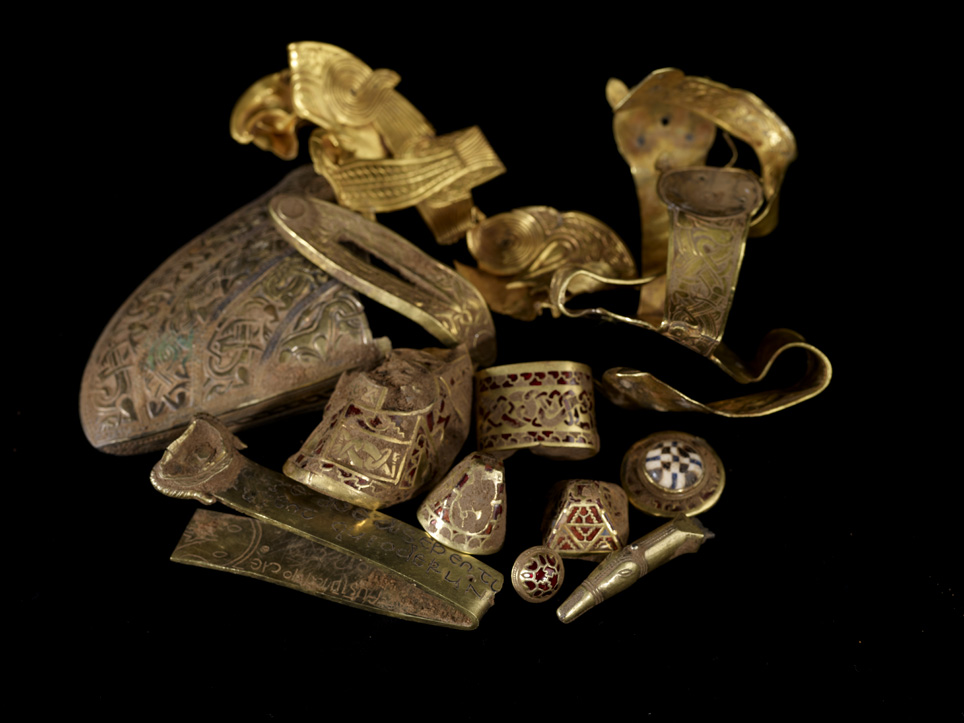
sinc, n.n: treasure, gold, silver, jewels. (SINCH / ˈsɪntʃ)
be-hȳpan, wk.v: to heap or cover over, surround, encompass. (beh-HUPP-on)
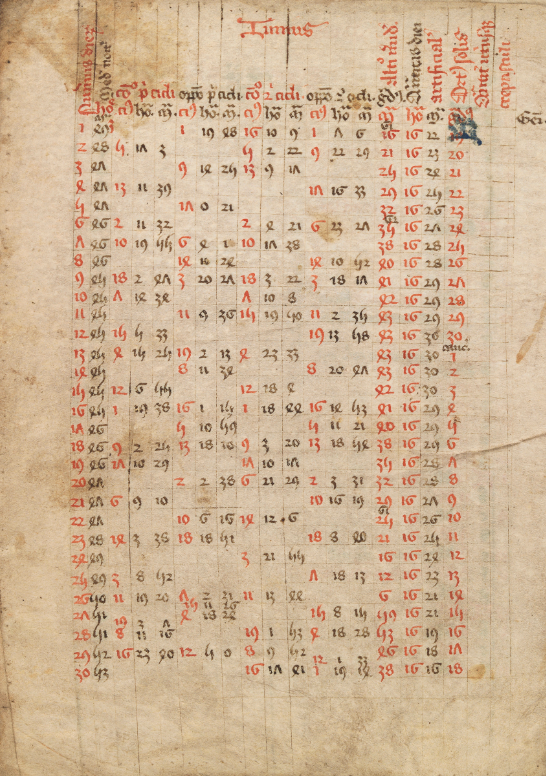
rīm-cræftig, adj: skillful in computation. (REEM-KRAFT-ee)
wind-gerest, f.n: a windy resting-place (?), a hall open to the winds (?). (WIND-yeh-REST)
For this week’s Wordhord Wednesday, listen to an excerpt from Beowulf on Patreon.
scēawung-stōw, f.n: a place of observation. (SHAY-ah-wung-STOH)
gāl-frēolsas, m.n: licentious festivals. (GALL-FRAY-ol-zahs / ˈgaːl-ˌfɹeːɔl-zas)


![[commons.wikipedia.org]](https://commons.wikimedia.org/wiki/File:Staffordshire_hoard_annotated.jpg)
![[commons.wikimedia.org]](https://commons.wikimedia.org/wiki/File:Tables_and_treatises_on_the_computation_of_the_calendar.._Wellcome_L0073771.jpg)