deorce-grǣg, adj: dark grey. (DEH-or-chuh-GRAIE / ˈdɛɔr-tʃə-ˌgræːj)
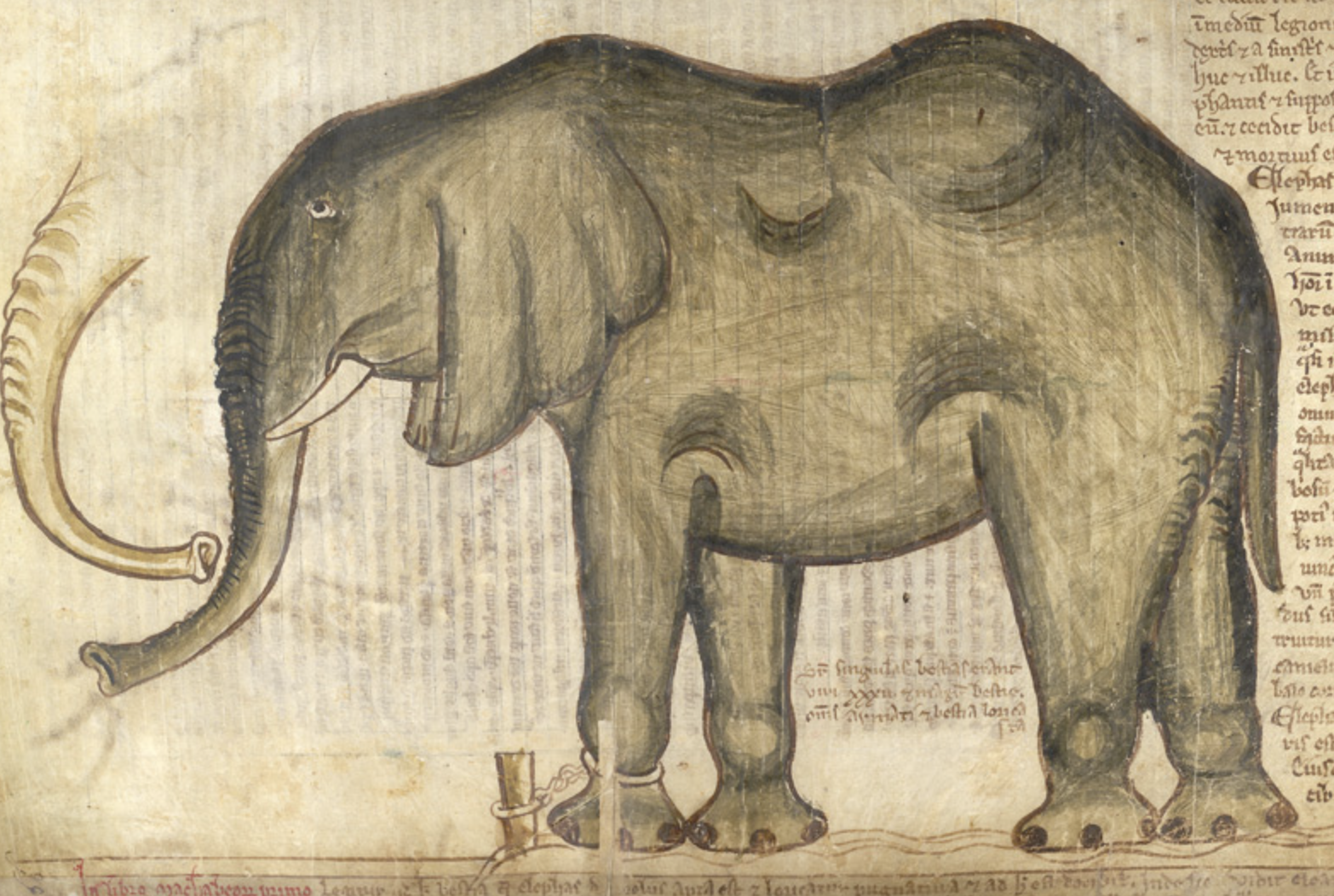
deorce-grǣg, adj: dark grey. (DEH-or-chuh-GRAIE / ˈdɛɔr-tʃə-ˌgræːj)
hyge, m.n: heart, mind, soul. (HUE-yuh / ˈhy-jə)
earfoþ-sīþ, m.n: troublesome or difficult journey; difficult way or road; time or experience of hardship; misfortune. (EH-ar-voth-SEETH / ˈɛar-vɔθ-ˌsiːθ)

fram-lād, f.n: departure; retreat. (FRAHM-LAWD / ˈfram-ˌlaːd)
gyllan, str.v: (of birds) to make a loud cry, to screech; (of wolves or dogs) to bay, howl; (of inanimate objects) to make a strident, grating, or crashing noise; to yell, utter a loud cry. (YUEL-lahn / ˈjyl-lan)
ge-fætnian, wk.v: to fatten, anoint. (yeh-VAT-ni-ahn / jɛ-ˈvæt-nɪ-an)

firen-georn, adj: sinful, wicked (sin-eager). (FI-ren-YEH-orn / ˈfɪ-rɛn-ˌjɛɔrn)
This week’s Wordhord Wednesday post is on counting in Old English. Read it on Patreon.
sēamestre, f.n: one who sews, tailor; (specifically) woman who sews, seamstress. (SAY-ahm-es-truh / ˈseːam-ɛs-trə)
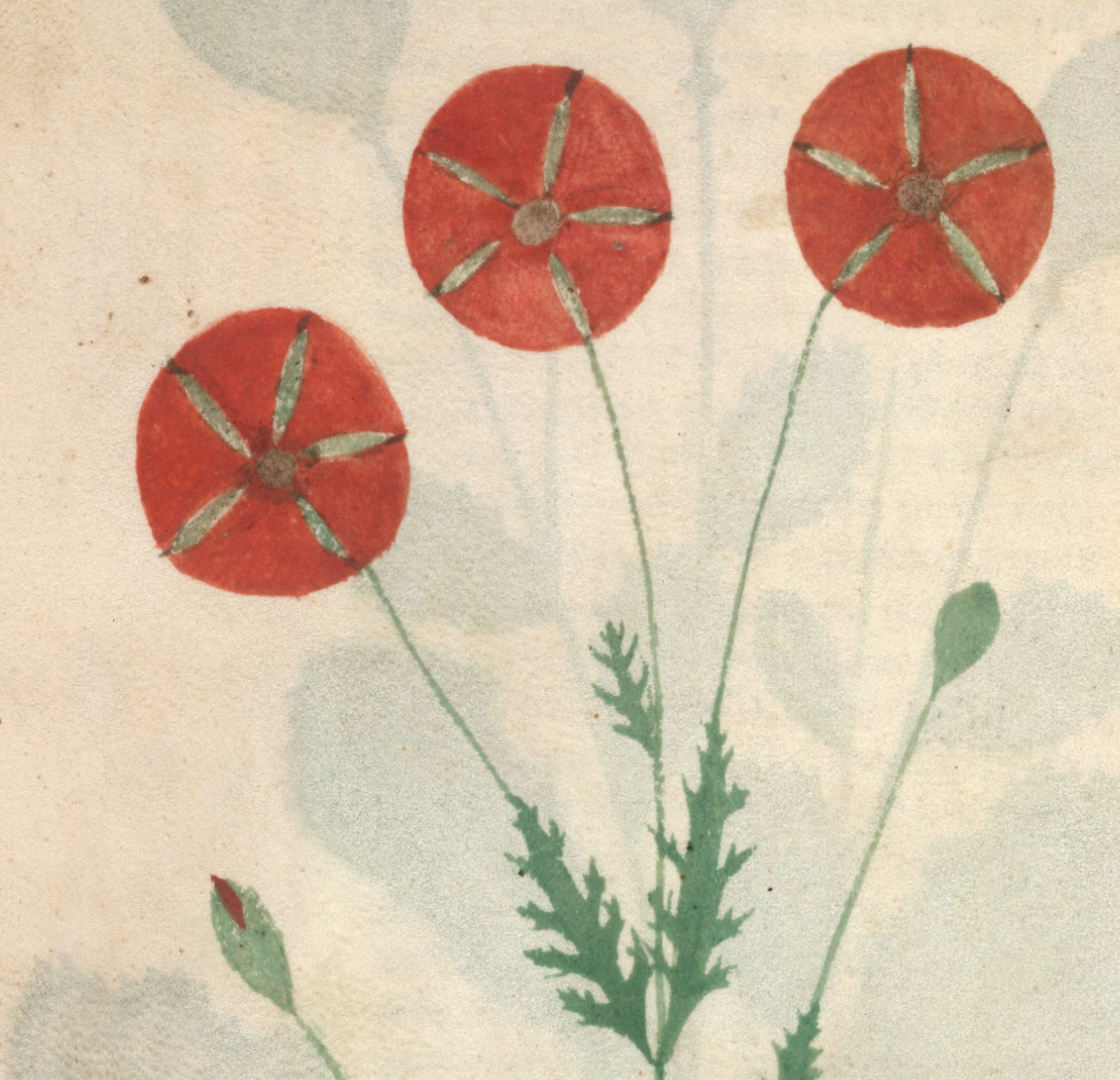
popig, m.n: poppy. (POP-ih / ˈpɔ-pɪj)
lēoþ-wrenc, m.n: definition uncertain, perhaps ‘poetic device’; ‘trick in a poem’ or ‘doubtful/spurious passage in a poem’ have also been suggested. (LAY-oth-WRENCH / ˈleːɔθ-ˌwrɛntʃ)
 Old English Wordhord