weg-fērend, m.n: wayfarer, traveller. (WEY-FAY-rend / ˈwɛj-ˌfeː-rɛnd)
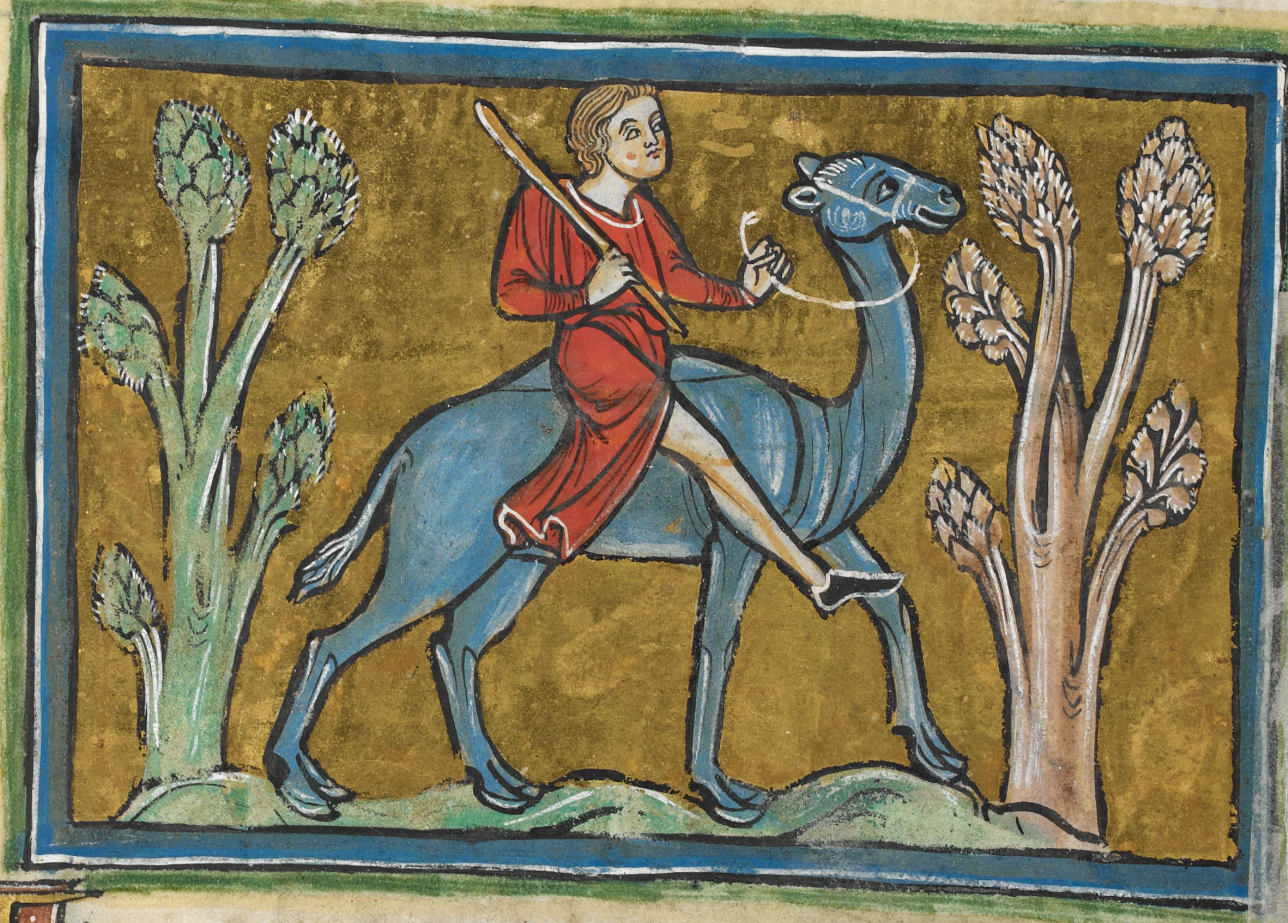
weg-fērend, m.n: wayfarer, traveller. (WEY-FAY-rend / ˈwɛj-ˌfeː-rɛnd)
ealdor-dōm, m.n: authority, power; primacy, pre-eminence; rule, sovereignty, lordship. (EH-all-dor-DOAM / ˈɛal-dɔr-ˌdoːm)
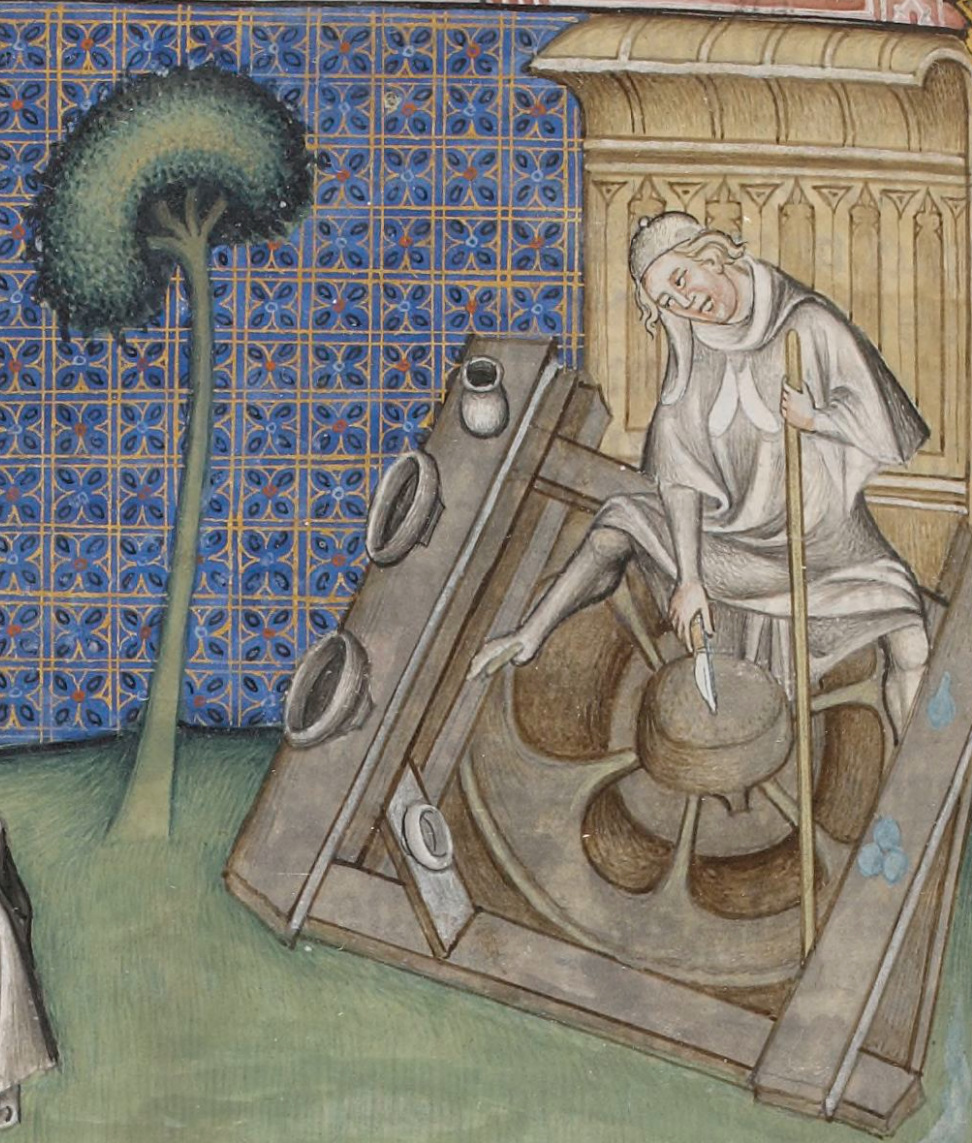
lām-smiþ, m.n: worker in clay, potter. (LAHM-SMITH / ˈlaːm-ˌsmɪθ)
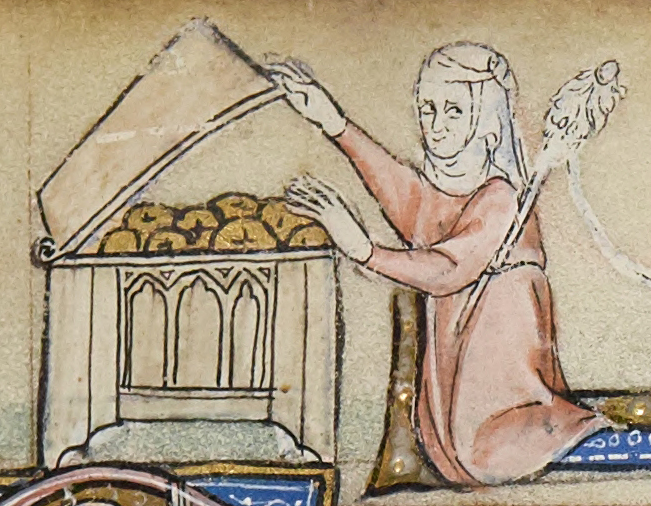
orsorgness, f.n: freedom from care or anxiety, tranquillity; prosperity. (OR-SOR’GH-ness / ˈɔr-ˌsɔrx-nɛs)
puslian, wk.v: to pick out the best bits. (PUH-zli-ahn / ˈpʌz-lɪ-an)
On the Old English Wordhord app you can pick your favourites and create your own wordhord! Download the free app for iOS.
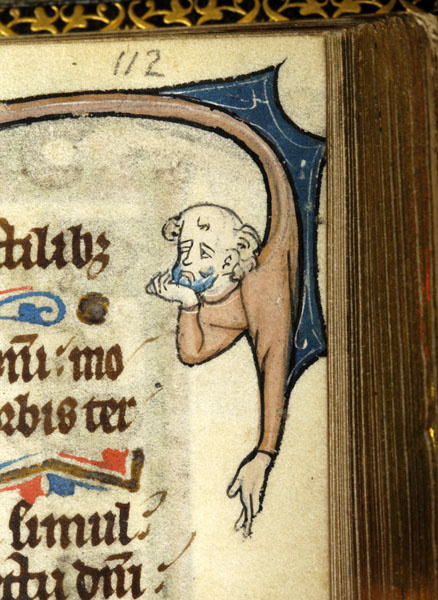
calu, adj: bald, without hair. (KAH-luh / ˈka-lʌ)
This week’s Wordhord Wednesday post is on Bald and baldness. Read it on Patreon.
ǣmta, m.n: leisure; freedom or opportunity (to do something). (AM-ta / ˈæːm-ta)
Patrons, don’t miss the opportunity to send your word requests for Goldgifa Week! Find out more on Patreon.
cȳðere, m.n: a witness; a martyr, one who bears witness by his death. (KUE-theh-ruh / ˈkyː-θɛ-rə)
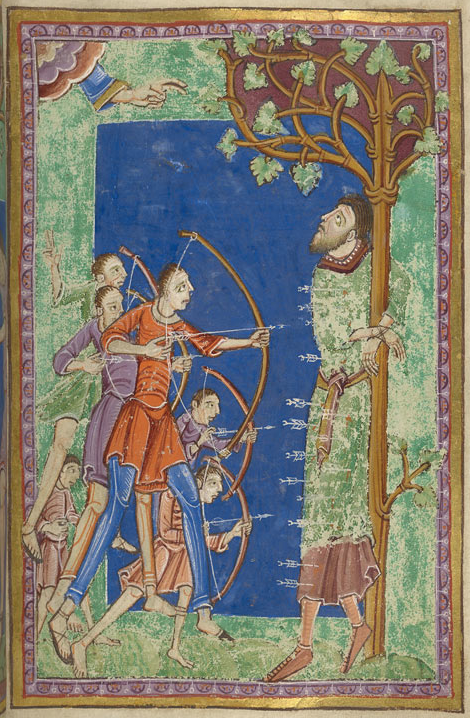
un-slāw, adj: not slow, not sluggish, active, ready, quick. (UN-SLAW / ˈʌn-ˌslaː)
gærs-swīn, n.n: ‘grass-swine’, i.e. a swine paid to a lord for the privilege of pasturing swine on his meadows or grassland. (GAERS-SWEEN / ˈgærs-ˌswiːn)

 Old English Wordhord