endleofan, n/adj/numeral: eleven. (END-LAY-ov-on / ˈɛnd-ˌlɛɔ-van)
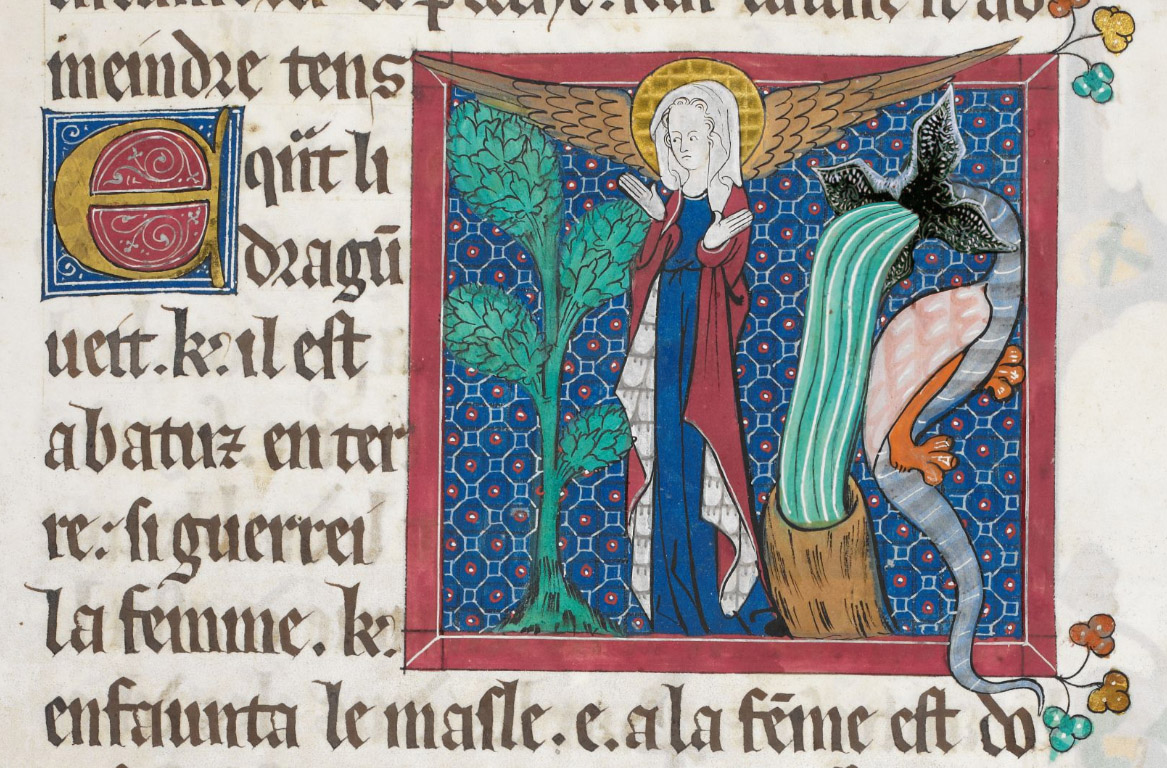
endleofan, n/adj/numeral: eleven. (END-LAY-ov-on / ˈɛnd-ˌlɛɔ-van)
cnocian, wk.v: to knock. (K’-NOCK-ee-ahn)
This week’s Wordhord Wednesday post is on silent k. Read it on Patreon.
regnig, adj: rainy. (RAIN-eeγ)
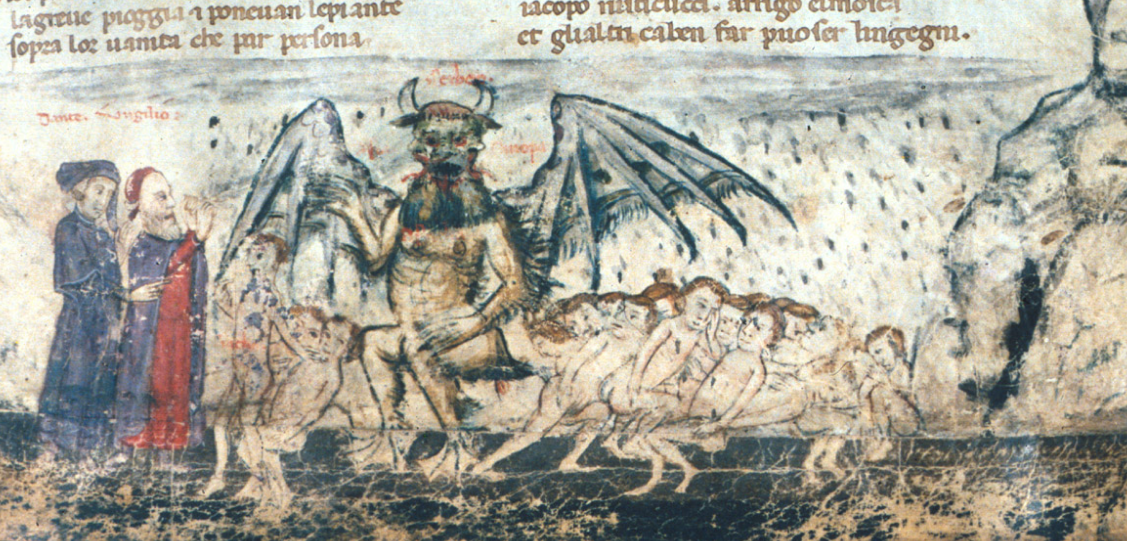
Inferno, Canto VI, in Dante’s Divine Comedy. Northern Italy (Genoa?), third quarter of 14th century. Oxford, Bodleian Library, MS. Holkham misc. 48, p. 9. [bodley.ox.ac.uk]
ǣ-swīca, m.n: an offender of the law, a deceiver, hypocrite, apostate. (AA-zwee-ka)
solian, wk.v: to make or to become foul. (SOLL-ee-on)
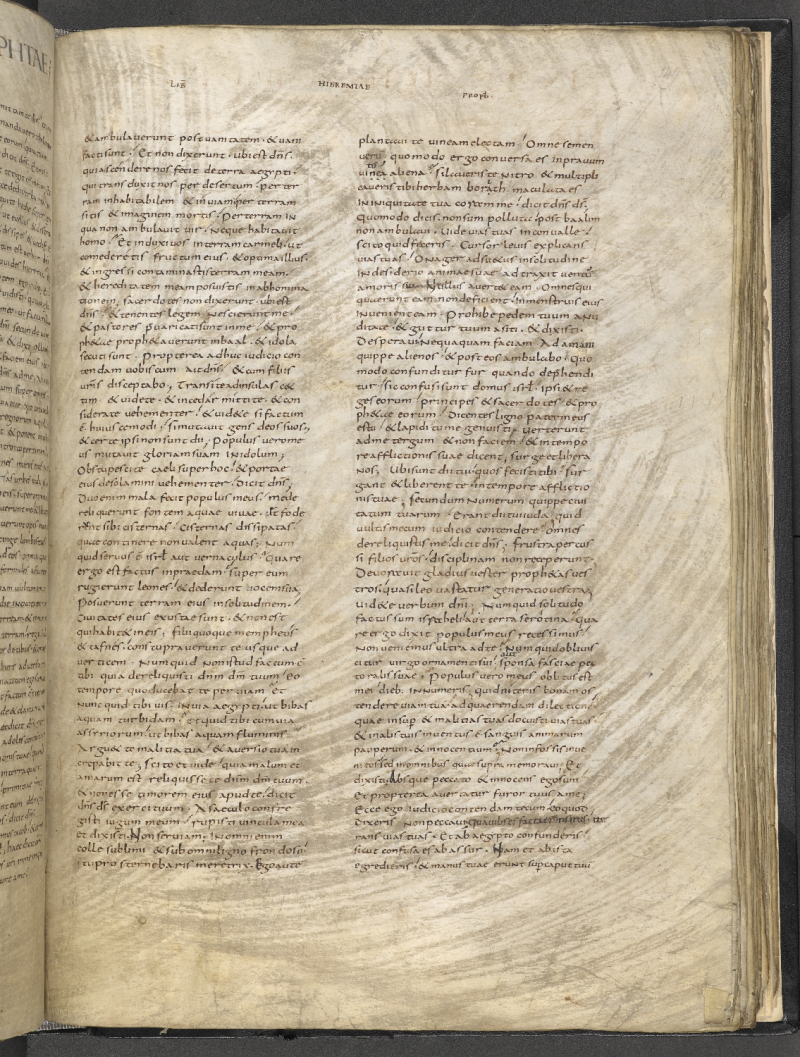
A page which bears the scars of vigorous scraping, which have become ingrained with dirt over the years. Bible, Central France (Tours), 1st half of the 9th century. British Library, Harley MS 2805, f. 149r. [blogs.bl.uk]
frum-sceaft, f.n: the first creation, the creation, beginning, origin, original state or condition; a created being, creature. (FRUM-shay-aft)
wyrt-brǣþ, m.n: a perfume from plants, an odour, aroma. (WURT-brath)
blōd-seax, n.n: a blood-knife, a lancet. (BLOAD-say-aks)
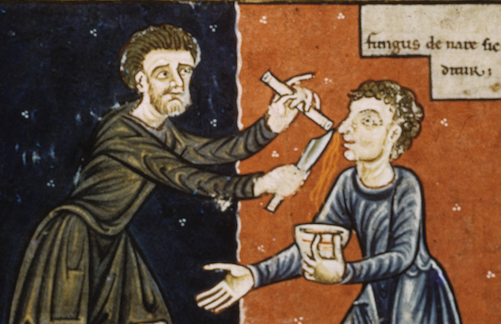
Surgeon removes ‘fungus’ (possibly a polyp) from patient’s nose in a 12th-century medical miscellany. Oxford, Bodleian Library, Ashmole 1462, f. 10r. The MacKinney Collection of Medieval Medical Illustrations. [dc.lib.unc.edu]
swegel-wundor, n.n: a heavenly wonder, a wondrous sound. (SWAY-yell-WUN-dor)
This week’s Wordhord Wednesday post is on St Guthlac and his musical death. Read it on Patreon.
folc-cwide, m.n: a popular saying. (FOLK-kwid-eh)
 Old English Wordhord