fēðe-gang, m.n: a foot-journey. (FAITH-eh-GAHNG)
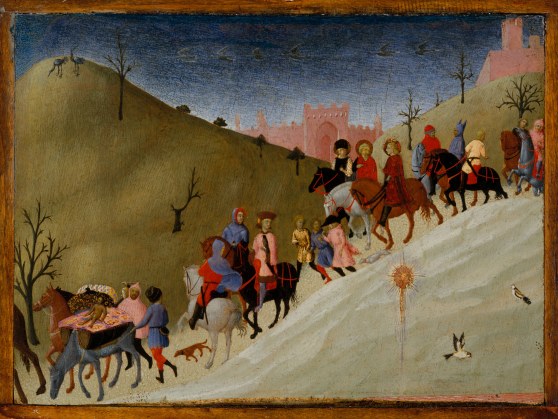
Sassetta (Stefano di Giovanni). Italy (Siena or Cortona), c. 1433–1435. Maitland F. Griggs Collection, Metropolitan Museum of Art. [metmuseum.org]
fēðe-gang, m.n: a foot-journey. (FAITH-eh-GAHNG)
Sassetta (Stefano di Giovanni). Italy (Siena or Cortona), c. 1433–1435. Maitland F. Griggs Collection, Metropolitan Museum of Art. [metmuseum.org]
wrenc, m.n: a trick, artifice, wile, stratagem; a modulation of the voice. (WRENCH / ˈwɹɛntʃ)
cnucel, m.n: a knuckle, joint. (K’NUCK’ell)
rǣran, wk.v: to cause to rise, to rear, raise; to lift up, move from a lower to a higher position; to set up, establish; to give rise to, excite; to exalt. (RA-rahn)
Patrons, you have one week to send me your requests for Goldgifa Week! Find out more on Patreon.
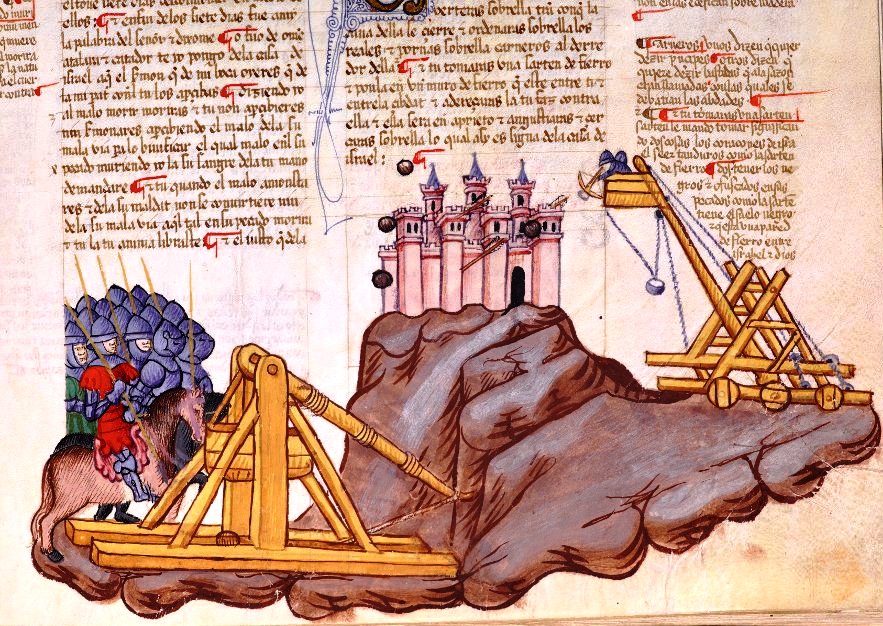
Judas Maccabeus besieging the Acra. Alba Bible. Spain, 1433. [commons.wikimedia.org]
þrēat, m.n: a troop, band, crowd, body of people, swarm, press, throng. (THRAY-aht)
This week’s Wordhord Wednesday is ‘elevenfold and a flood-spewing apocalyptic dragon’. Read it on Patreon.
mynster-gang, m.n: going into a monastery, entering on a monastic life. (MUN-ster-GONG)
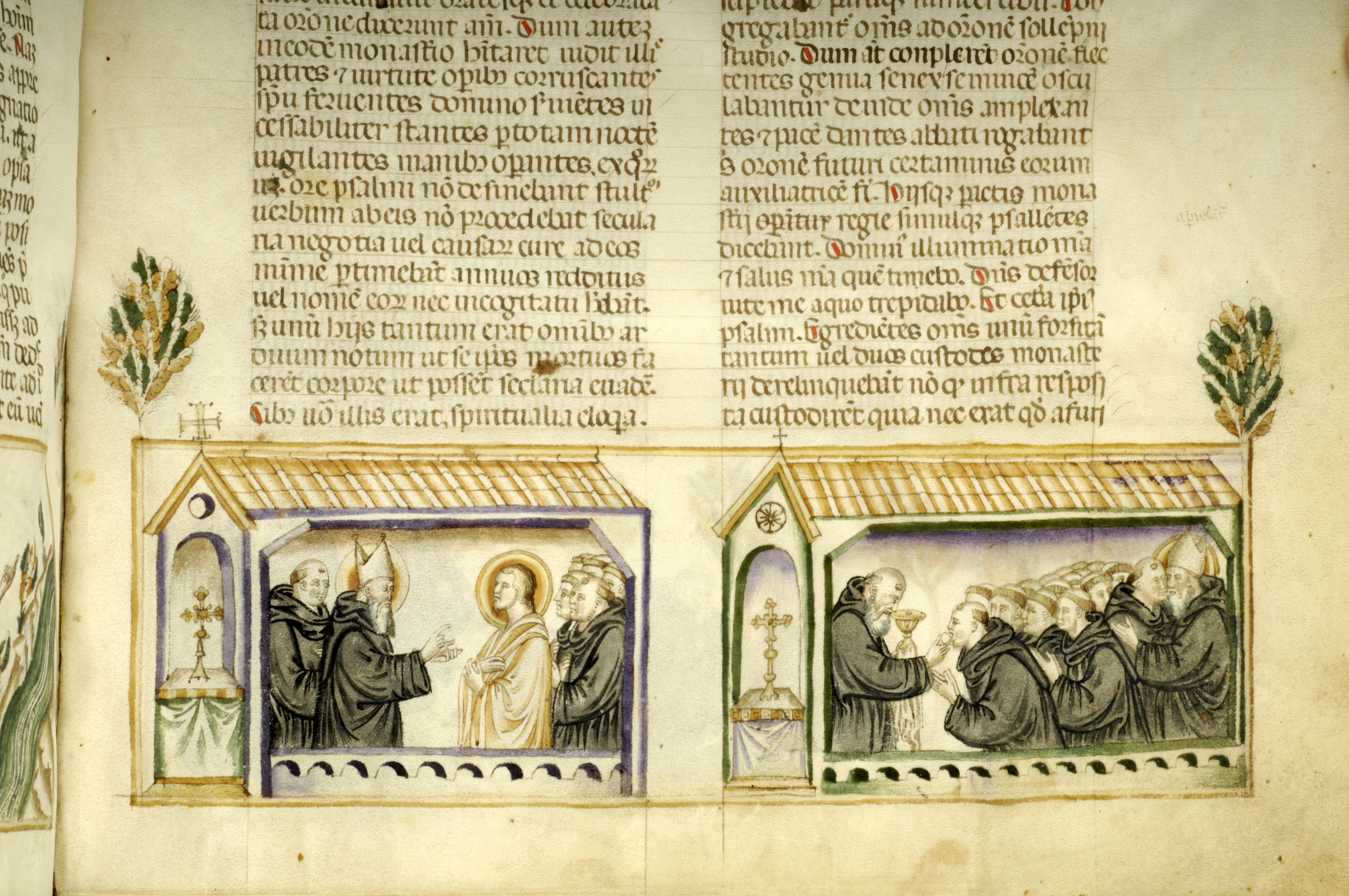
Vitae patrum. Italy (Naples), between 1350 and 1375. New York, The Morgan Library & Museum, MS M.626, f. 134r. [ica.themorgan.org]
mǣg, m.n: a relative, kinsman. Also, f.n: a woman, kinswoman. (MA-γ)
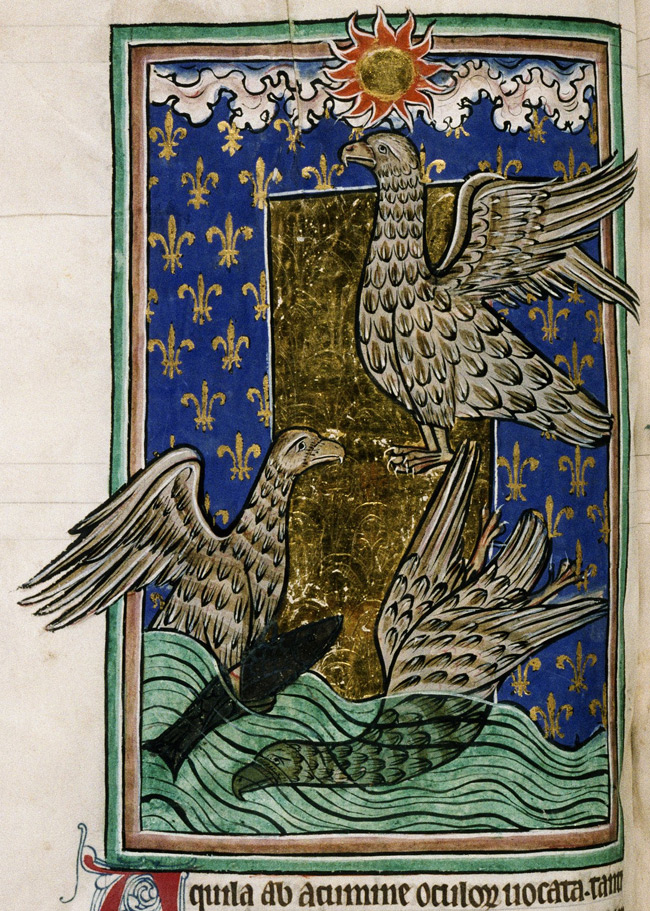
gūþ-fugel, m.n: war-bird (an epithet for the eagle). (GOOTH-FUH-yell / ˈguːθ-ˌfʌ-jɛl)
To find out more about medieval eagles, visit my blog Dēor-hord: a medieval and modern bestiary.
gūþ-frec, adj: bold in war. (GOOTH-freck)
endleofan-gilde, adj: entitled to elevenfold compensation. (END-lay-ov-on-YILL-deh)
 Old English Wordhord