feormian, wk.v: to foster or maintain; to entertain or welcome a guest; to harbour a fugitive or criminal; to maintain someone with basic necessities; to supply food as an obligation or rent; to provide a feast for someone. (FEH-or-mi-ahn / ˈfɛɔr-mɪ-an)
æsc-þrote
æsc-þrote, f.n: verbena, vervain. (ASH-THROT-uh / ˈæʃ-ˌθrɔ-tə)
This week’s Wordhord Wednesday post is on dragon jaws and misbehaving monks. Read it on Patreon.
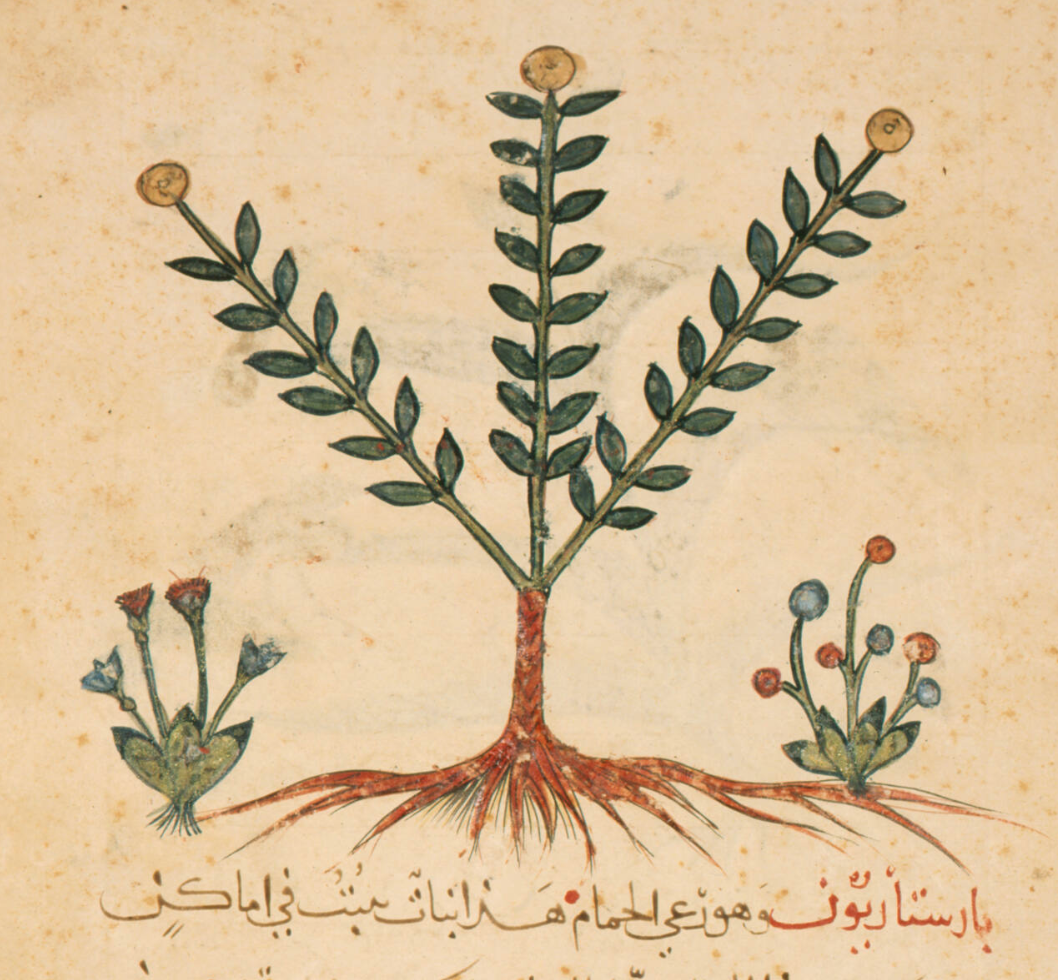
mōd-blind
mōd-blind, adj: having the mind’s eye darkened, undiscerning. (MOAD-BLINND / ˈmoːd-ˌblɪnd)
be-gīnan
be-gīnan, str.v: to open the mouth wide, gape. (beh-YEE-nahn / bɛ-ˈjiː-nan)
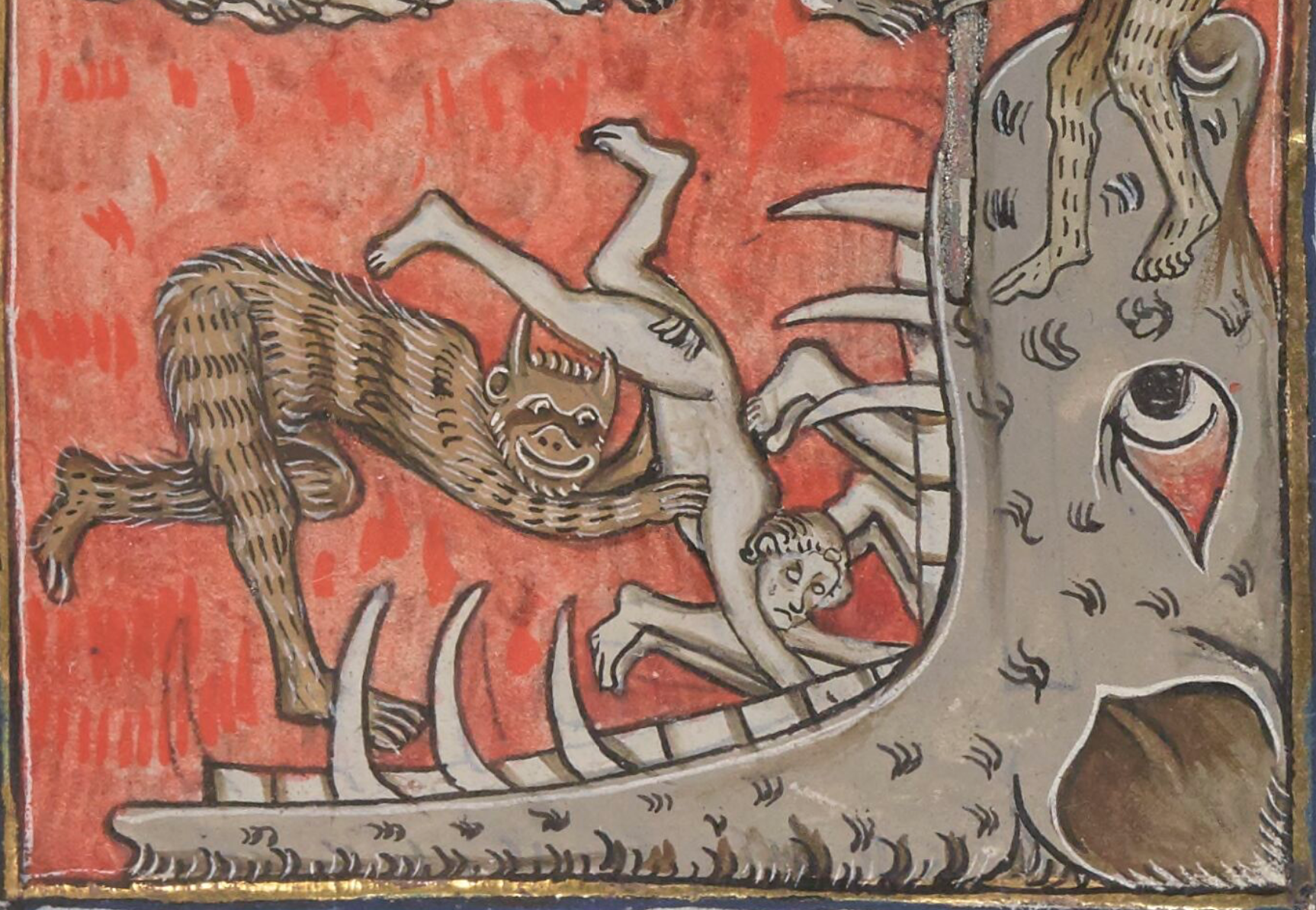
heofon-lēoht
heofon-lēoht, n.n: the light of heaven, a light from heaven. (HEH-oh-von-LAY-o’ht / ˈhɛɔ-vɔn-ˌleːɔxt)
tīn
tīn, n/adj/numeral: ten. (TEEN / ˈtiːn)
Celebrate the 10th anniversary of Old English Word of the Day by sharing your favourite Old English word.

henn
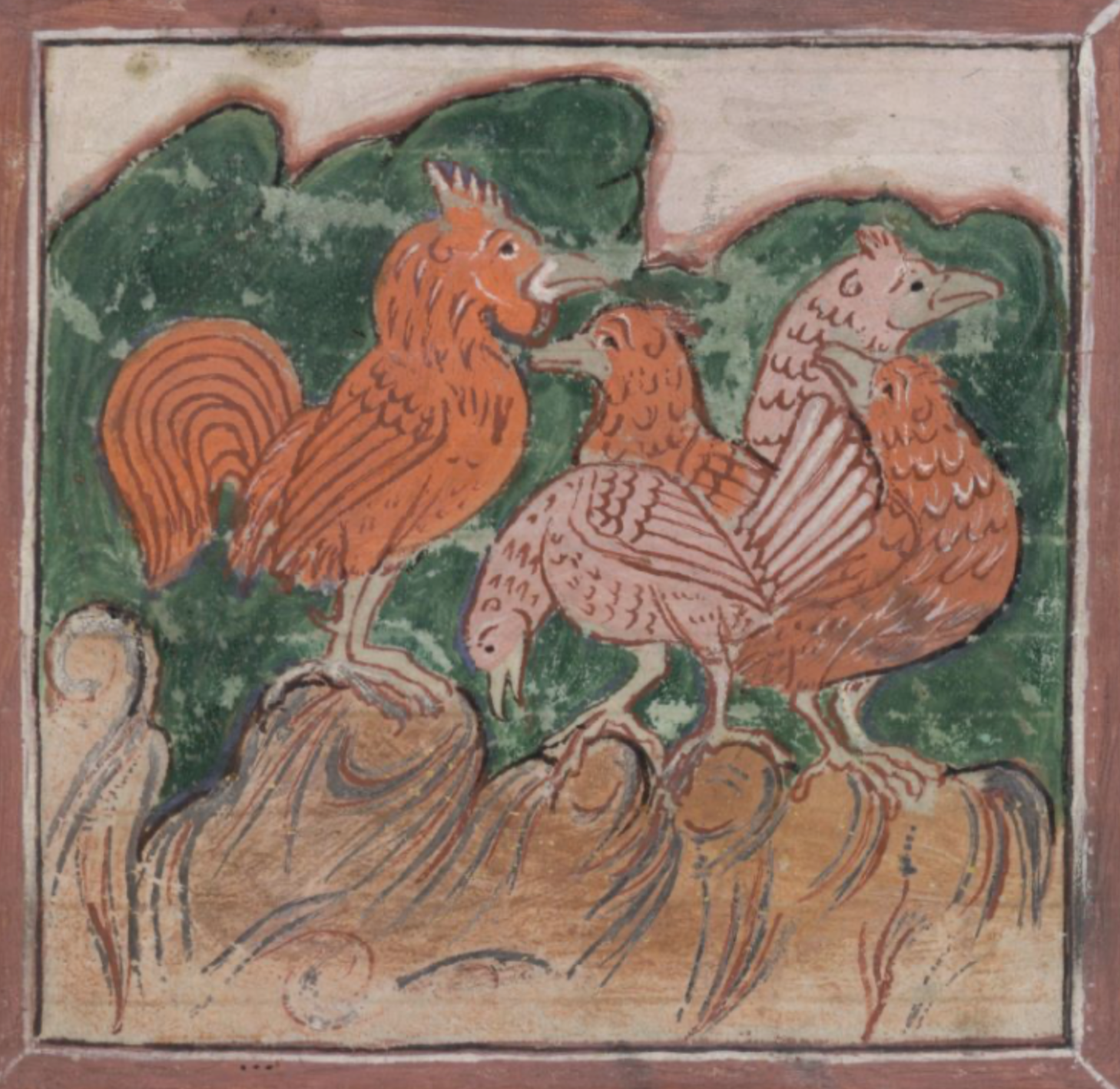
henn, f.n: hen. (HEN / ˈhɛn)
cealf
cealf, n.n: calf. (CHEH-alf / ˈtʃɛalf)
hind
hind, f.n: hind, female deer, perhaps the red deer specifically. (HIND / ˈhɪnd)
This week’s Wordhord Wednesday post is a Deorhord quiz. Test your medieval animal knowledge on Patreon.
ǣmette
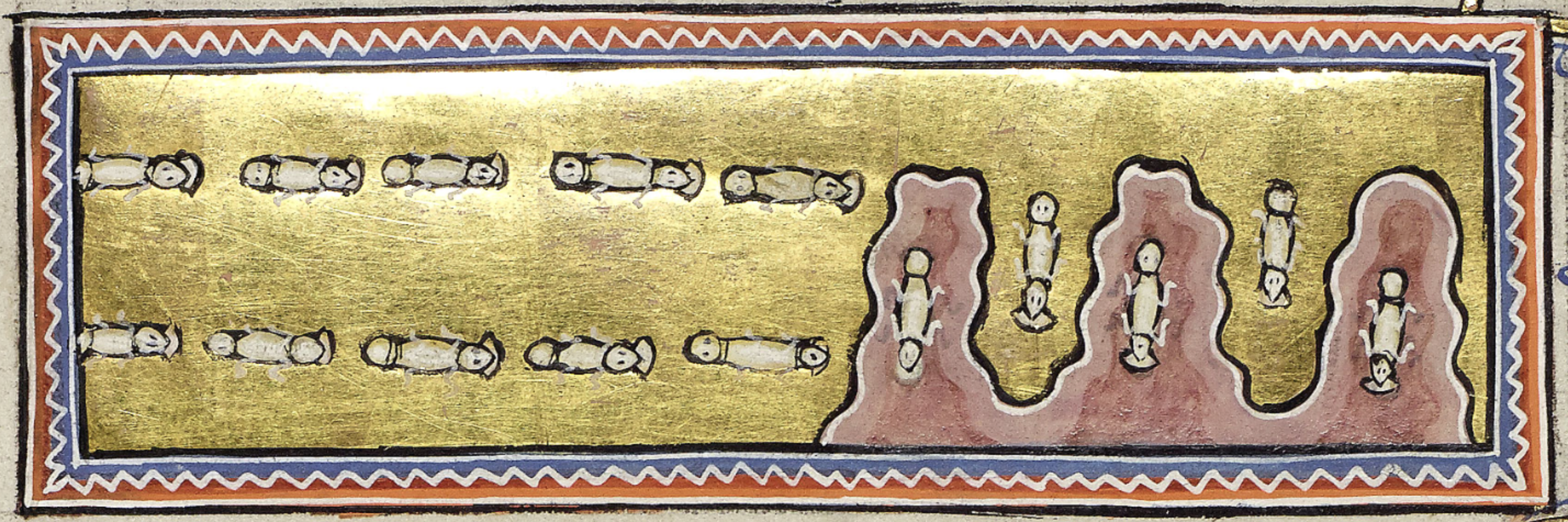
ǣmette, f.n: ant. (AM-et-tuh / ˈæː-mɛt-tə)
 Old English Wordhord