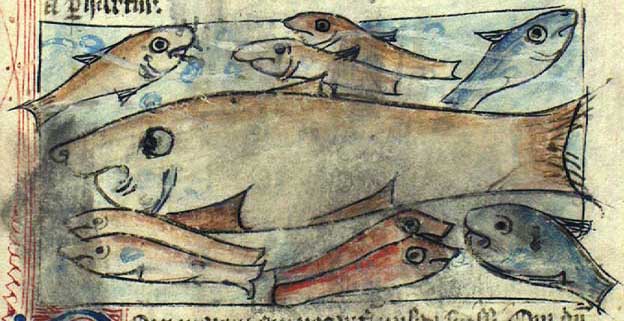
mold-hrērende, adj: moving upon the earth. (MOLD-HRAY-ren-duh / ˈmɔld-ˌhɹeː-ɹɛn-də)

mold-hrērende, adj: moving upon the earth. (MOLD-HRAY-ren-duh / ˈmɔld-ˌhɹeː-ɹɛn-də)
Swēo-rīce, n.n: Sweden. (SWAY-oh-REE-chuh / ˈsweːɔ-ˌɹiː-tʃə)
orþanc-bend, m.n: a skilfully contrived band, a cunning bond. (OR-thonk-BEND / ˈɔɹ-θank-ˌbɛnd)

sōþ-gid, n.n: a true tale. (SOATH-YID / ˈsoːθ-ˌjɪd)
lufu, f.n: love; warm affection, attachment; strong feeling, passion. (LUH-vuh / ˈlʌ-vʌ)
Happy Valentine’s Day!

mōd-bysgung, f.n: anxiety of mind. (MOAD-BUZZ-gung / ˈmoːd-ˌbɝz-gʌŋ)

swīþ-hwæt, adj: very strong; very bold. (SWEETH-HWAET / ˈswiːθ-ˌhwæt)
pytt, m.n: a pit, hole in the ground, a grave. (PUT / ˈpɝt)

gāst-gerȳne, n.n: spiritual mystery. (GAHST-yeh-RUE-nuh / ˈgaːst-jɛ-ˌryː-nə)
slidor, adj: slippery. (SLIH-dor / ˈslɪ-dɔɹ)