dun, adj: dun, brown or black coloured, dark. (DUN / ˈdʌn)

dun, adj: dun, brown or black coloured, dark. (DUN / ˈdʌn)
hǣwen, adj: blue, azure, purple, discoloured. (HAE-wen / ˈhæː-wɛn)

hasu, adj: grey, ash-coloured, tawny. (HA-zuh / ˈha-zʌ)
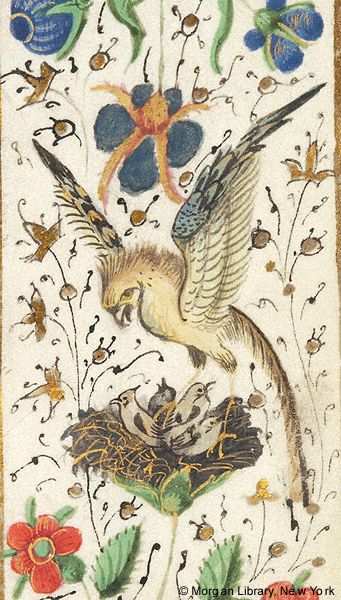
grǣg, adj: grey. (GRAIE / ˈgɹæːj)
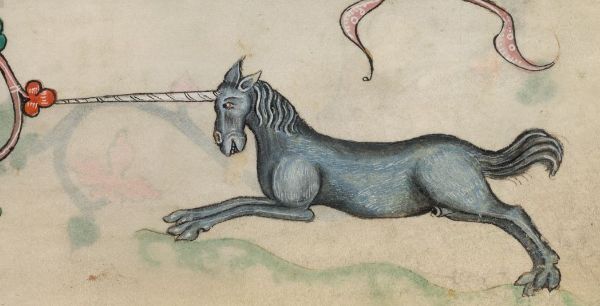
gylden, adj: golden. (YUEL-den / ˈjyl-dɛn)

geolo, adj: yellow. (YEH-aw-law / ˈjɛɔ-lɔ)
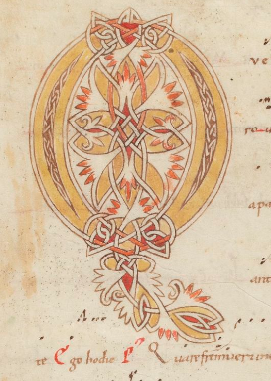
rēod, adj: red. (RAY-odd / ˈɹeːɔd)

hiw, n.n: shape, make, form, fashion, species, kind, appearance, symbol, hue, colour, beauty. (HIW / ˈhɪw)
un-snytro, f.n: folly, ‘un-wisdom’. (UN-SNUH-troh / ˈʌn-ˌsnɝ-tɹɔ)
hǣl, n.n: omen, auspice. (HAL / ˈhæːl)

