wǣg-bora, m.n: a wave-bearer, a creature that lives beneath the waves. (WAγ-BO-ra)
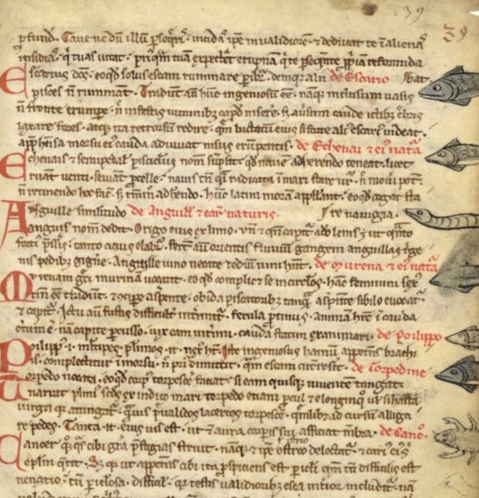
wǣg-bora, m.n: a wave-bearer, a creature that lives beneath the waves. (WAγ-BO-ra)
regnig, adj: rainy. (RAIN-eeγ)
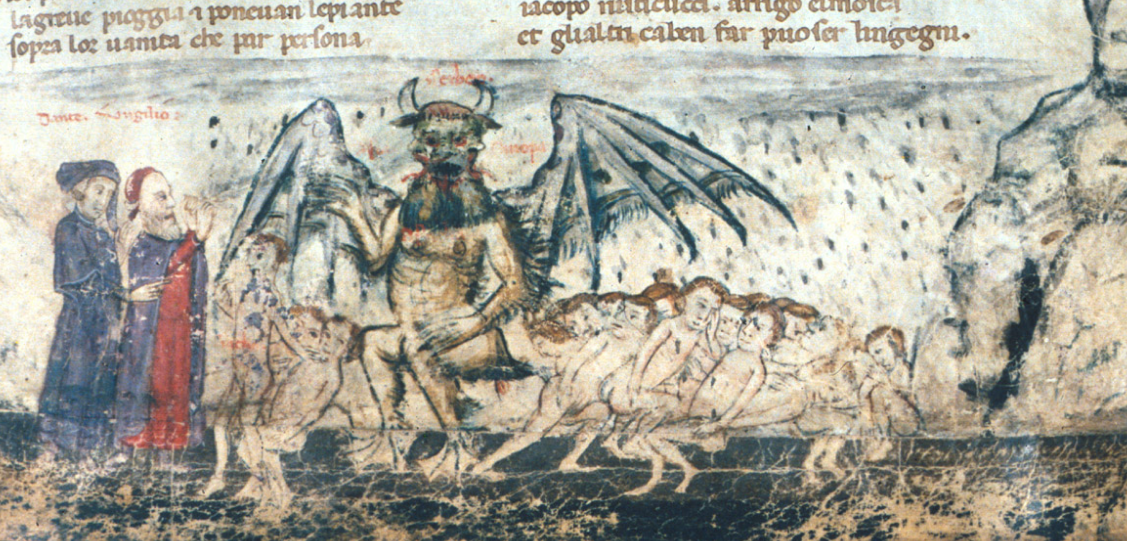
Inferno, Canto VI, in Dante’s Divine Comedy. Northern Italy (Genoa?), third quarter of 14th century. Oxford, Bodleian Library, MS. Holkham misc. 48, p. 9. [bodley.ox.ac.uk]
wār, n.n: seaweed; sand, strand. (WAHR)
sǣ-fōr, f.n: a journey by sea, a voyage. (SA-vor)
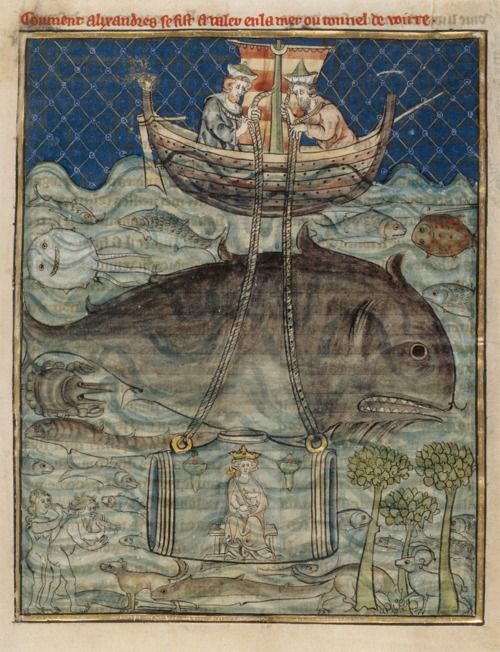
Alexander the Great inside a glass barrel lit by two oil lamps. Miniature from Histoire du bon roi Alexandre. France, 14th century. [pinterest.co.uk]
flōd-wudu, m.n: ship (water-wood). (FLOAD-WUH-duh / ˈfloːd-ˌwʌ-dʌ)

sǣ-ælfen, f.n: sea-elf, sea-nymph. (SAE-AL-ven / ˈsæː-ˌæl-vɛn)

sǣ-burh, f.n: a maritime town. (SÆ-burh)
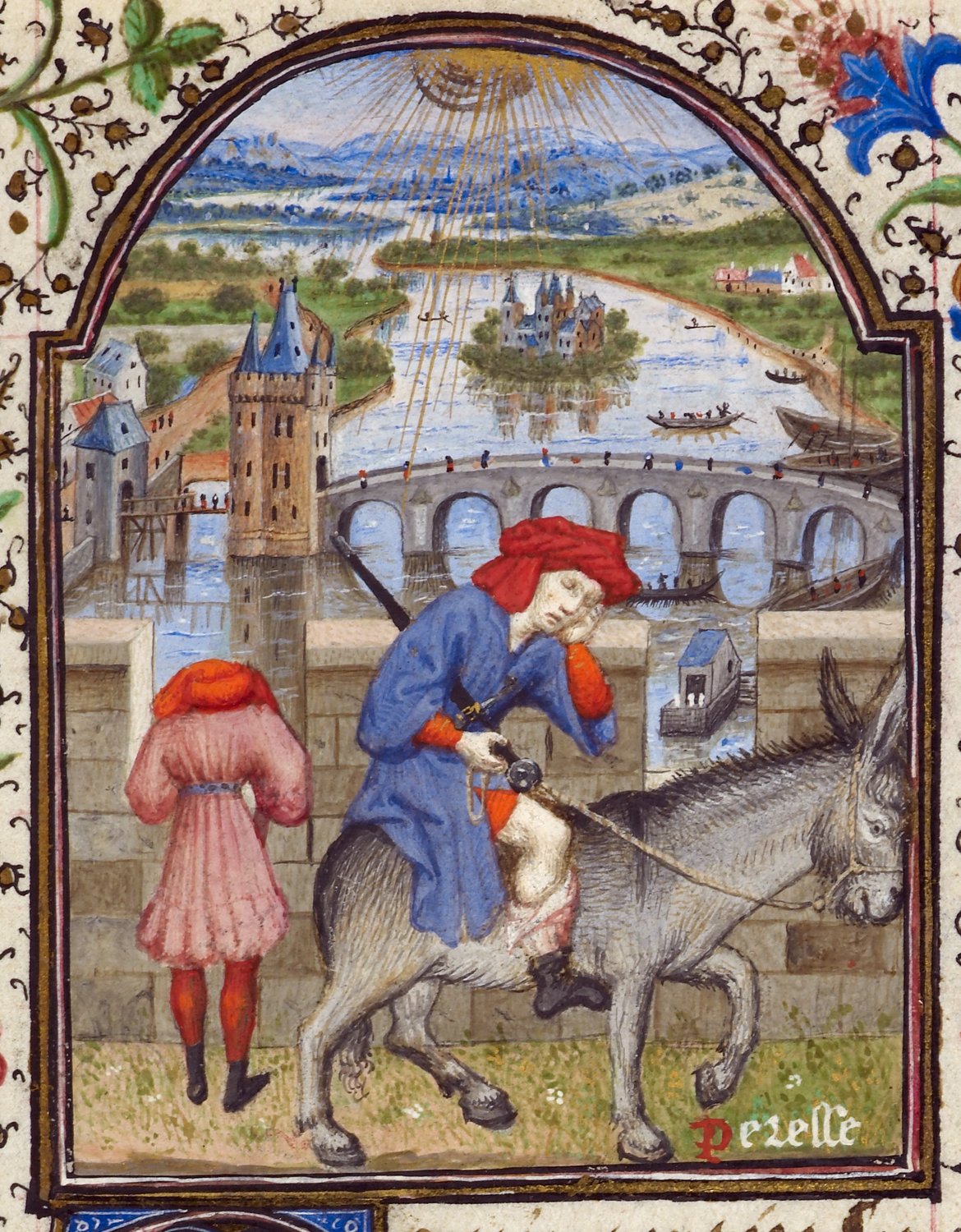
A man riding on a donkey, head in hand, across a bridge, as a personification of Idleness (Peresse). The Dunois Hours. Central France (Paris), c. 1440 – c. 1450 (after 1436). British Library, Yates Thompson 3, f. 162r. [bl.uk]
wæter-sēaþ, m.n: a water-pit, well, reservoir. [WÆ-ter-SAY-ath]
This week’s Wordhord Wednesday post is on sea-candles. Read it on Patreon.
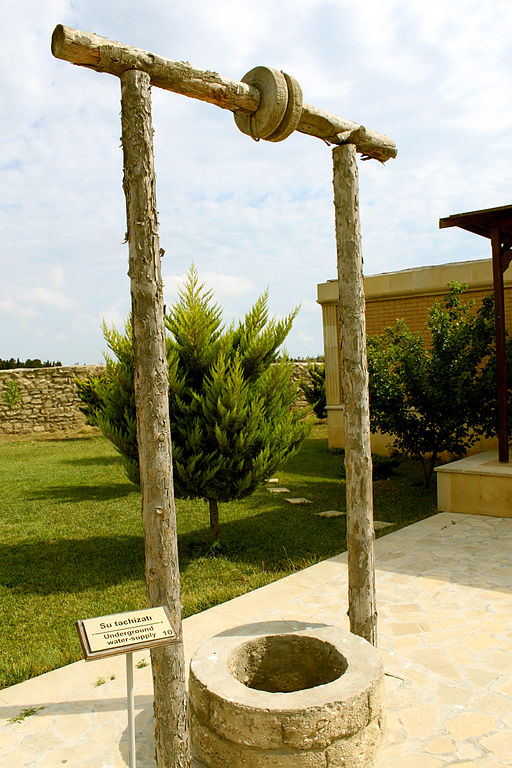
Medieval water well at the Qala Archaeological and Ethnographic Museum in Baku, Azerbaijan. Photo by Urek Meniashvili on Wikimedia Commons CC-BY-SA-3.0. [commons.wikimedia.org]
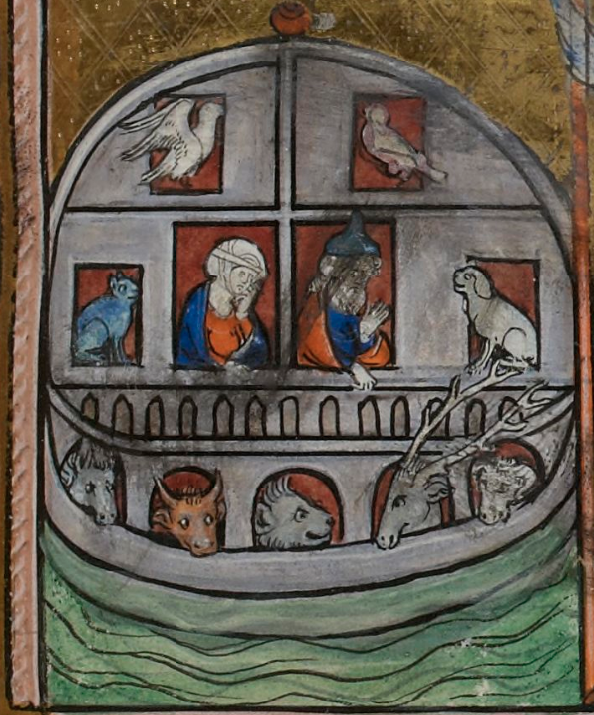
mere-hūs, n.n: a sea-house (Noah’s ark). (MEH-ruh-HOOS / ˈmɛ-ɹə-ˌhuːs)
This week’s Wordhord Wednesday post is about wer-genga, a stranger in a strange land. Read it on Patreon.
ȳþ-lād, f.n: ocean (wave-path). (UETH-LAWD / ˈyːθ-ˌlaːd)
 Old English Wordhord