hȳð, f.n: a hithe, or place that receives a ship on its landing; a low shore, fit to be a landing place for boats; a port, haven. (HUETH / ˈhyːθ)
Hithe occurs in the names of seaports, and also landing-places on rivers, far from the coast.
hȳð, f.n: a hithe, or place that receives a ship on its landing; a low shore, fit to be a landing place for boats; a port, haven. (HUETH / ˈhyːθ)
Hithe occurs in the names of seaports, and also landing-places on rivers, far from the coast.
lagu-strǣt, f.n: a water-street, the sea. (LA-guh-STRAT / ˈla-gʌ-ˌstɹæːt).
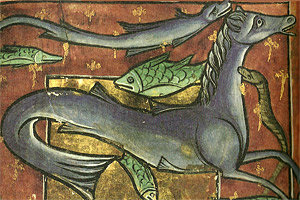
for-līðednes, f.n: shipwreck. (for-LEETH-ed-ness / fɔɹ-ˈliː-θɛd-nɛs)
gēar-market, n.n: a yearly market or fair. (YAY-ar-MAR-ket / ˈjeːaɹ-ˌmaɹ-kɛt)
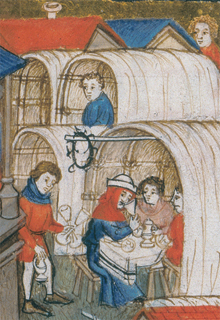
stēor-mann, m.n: a steersman, pilot, captain. (STAY-or-MAHN / ˈsteːɔɹ-ˌman)
segl-rād, f.n: sail-road, a kenning for the sea. (SAIL-RAWD / ˈsɛjl-ˌraːd)
scip-gebroc, n.n: shipwreck. (SHIP-yeh-BROCK / ˈʃɪp-jɛ-ˌbɹɔk)
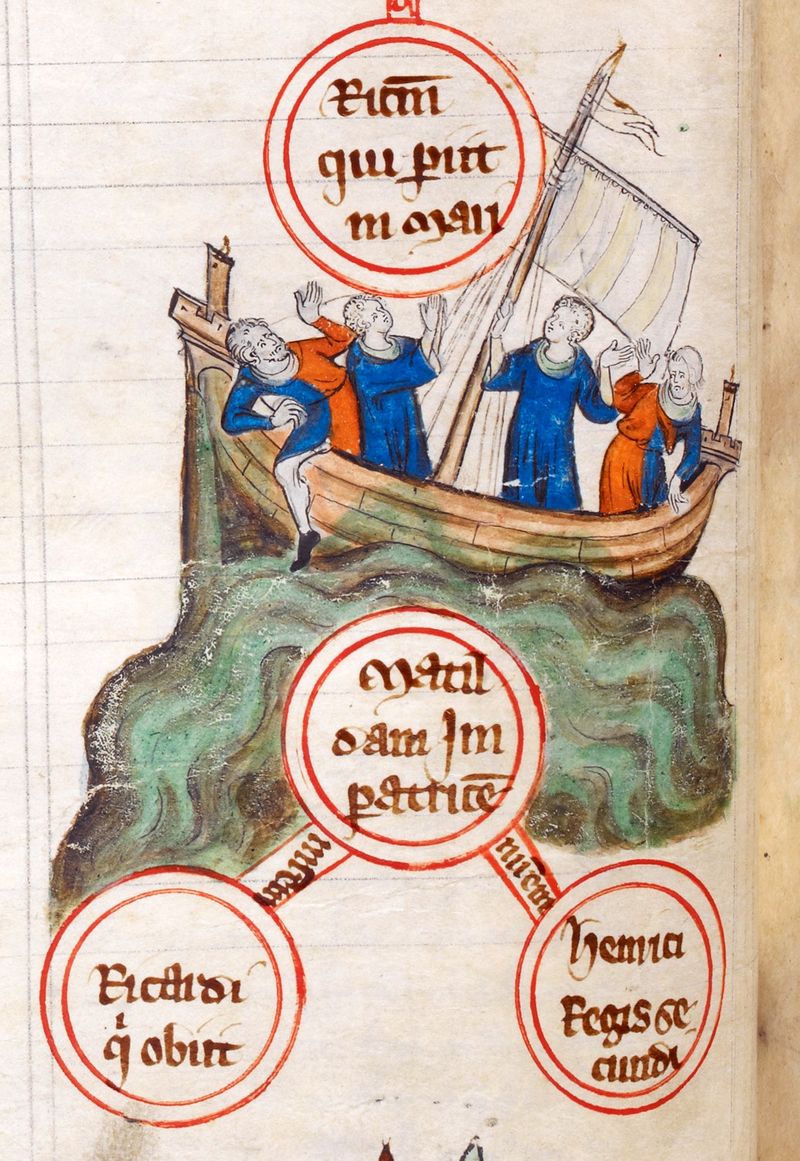
faroþ-hengest, m.n: ship (sea-horse). (FAH-roth-HENG-gest / ˈfa-rɔθ-ˌhɛŋ-gɛst)
mere-cist, f.n: a sea-chest. (MEH-ruh-CHIST / ˈmɛ-ɹə-ˌtʃɪst)
flot-man, m.n: sailor, pirate. (FLOT-MAHN / ˈflɔt-ˌman)

 Old English Wordhord