sǣ-fōr, f.n: a journey by sea, a voyage. (SA-vor)
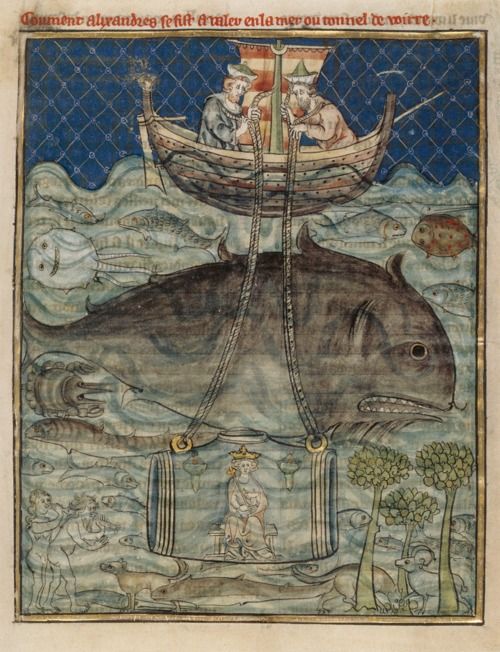
Alexander the Great inside a glass barrel lit by two oil lamps. Miniature from Histoire du bon roi Alexandre. France, 14th century. [pinterest.co.uk]
sǣ-fōr, f.n: a journey by sea, a voyage. (SA-vor)
Alexander the Great inside a glass barrel lit by two oil lamps. Miniature from Histoire du bon roi Alexandre. France, 14th century. [pinterest.co.uk]
wræc-lāst, m.n: the track of an exile. (WRACK-lost)
This week’s Wordhord Wednesday post is about the medicinal properties of dog drool and other medieval hund facts. Read it on Patreon.
flōd-wudu, m.n: ship (water-wood). (FLOAD-WUH-duh / ˈfloːd-ˌwʌ-dʌ)

snacc, f.n: a swift-sailing vessel. (SNAWK / ˈsnak)
sǣ-burh, f.n: a maritime town. (SÆ-burh)
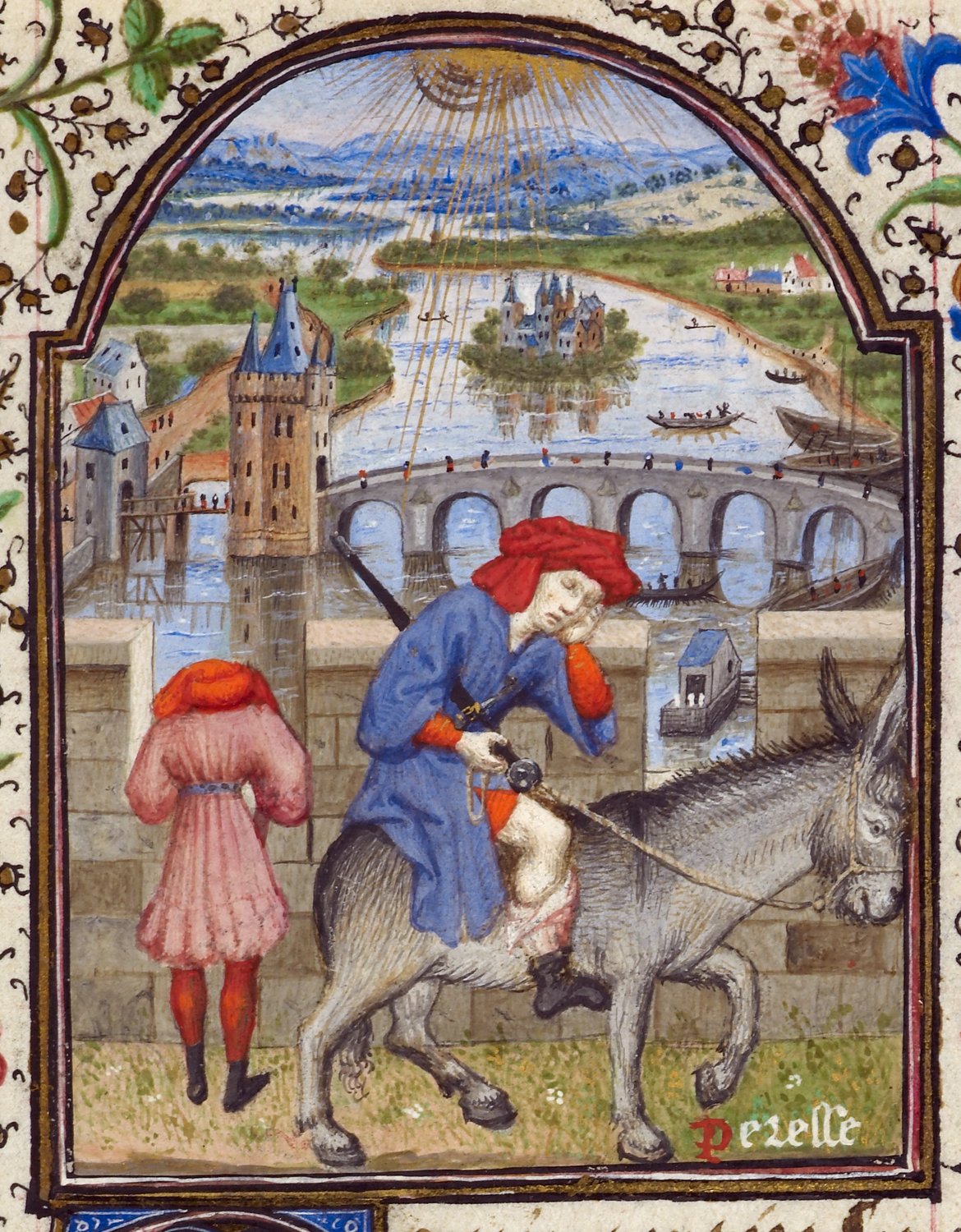
A man riding on a donkey, head in hand, across a bridge, as a personification of Idleness (Peresse). The Dunois Hours. Central France (Paris), c. 1440 – c. 1450 (after 1436). British Library, Yates Thompson 3, f. 162r. [bl.uk]
wracnian, wk.v: to be or travel in a foreign country, be a pilgrim or stranger. (WRACK-ni-ahn / ˈwrak-nɪ-an)
hām-sīþ, m.n: a journey home. [HAHM-seeth]
hweogul, n.n: a wheel. [HWAY-oh-gull]
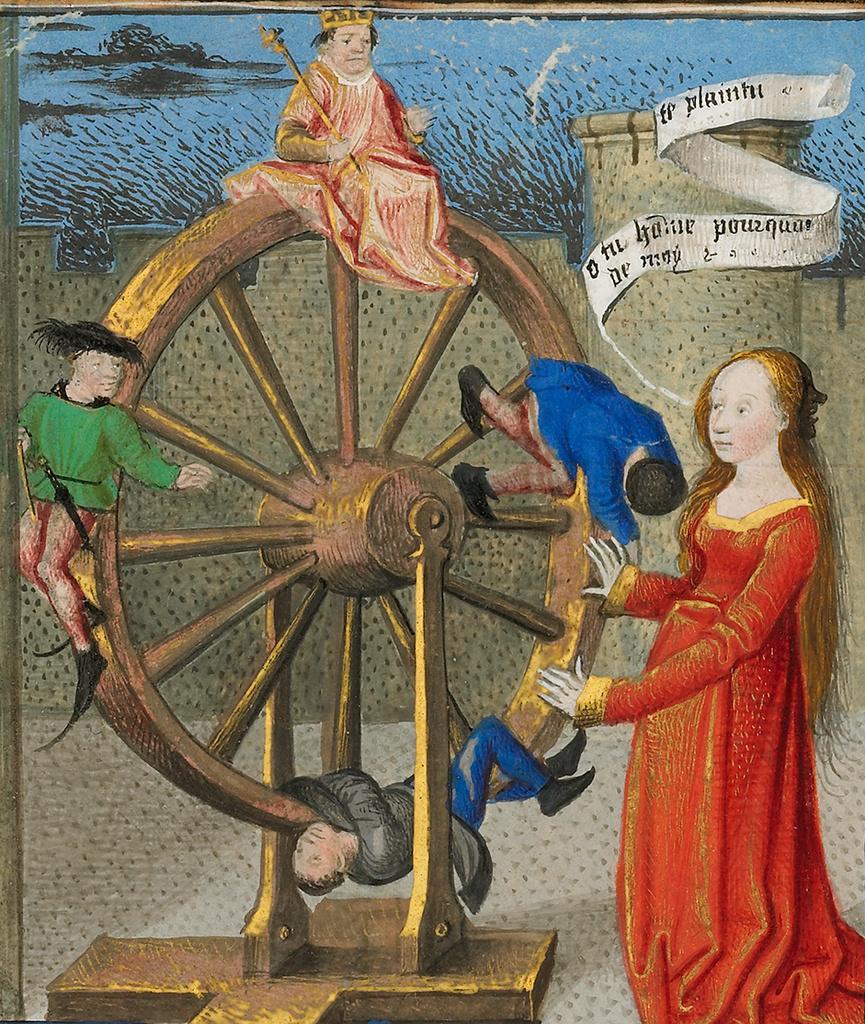
Fortune turns her wheel in Boethius’s Consolation de philosophie. Art by Coëtivy Master (Henri de Vulcop?). France (Paris), c. 1460-1470. Los Angeles, The J. Paul Getty Museum, MS. 42, fol. 1v. [getty.edu]
ȳþ-mearh, m.n: ship (wave-steed). (UETH-MEH-ar’h / ˈyːθ-ˌmɛarx)
This week’s Wordhord Wednesday post is on these “wave-horses”. See it on Patreon.
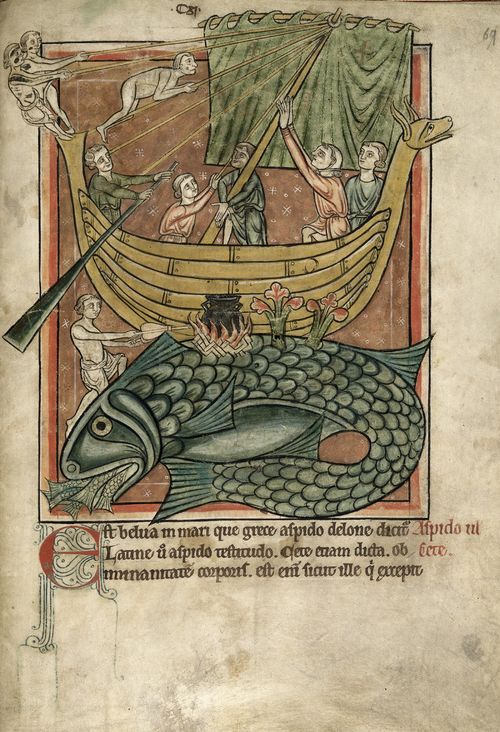
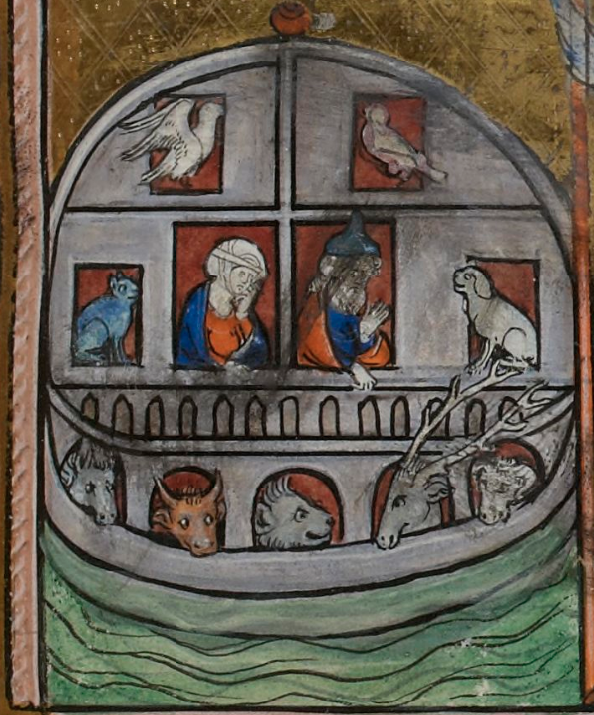
mere-hūs, n.n: a sea-house (Noah’s ark). (MEH-ruh-HOOS / ˈmɛ-ɹə-ˌhuːs)
This week’s Wordhord Wednesday post is about wer-genga, a stranger in a strange land. Read it on Patreon.
 Old English Wordhord