cucler, m.n: spoon. (KUH-kler / ˈkʌ-klɛr)
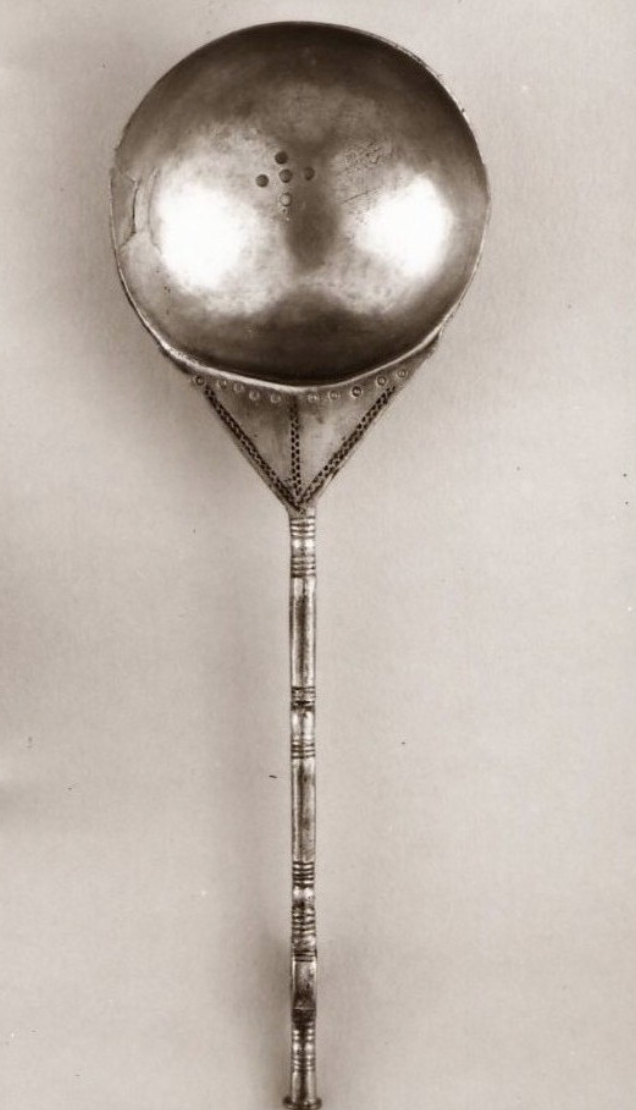
cucler, m.n: spoon. (KUH-kler / ˈkʌ-klɛr)
belg, m.n: bag, pouch, sack; bellows. (BELG / ˈbɛlg)

met-gird, f.n: a rod for measuring. (MET-YIRD / ˈmɛt-ˌjɪrd)

mete-seax, n.n: a knife used in cutting food, dagger. (MEH-tuh-SEH-ahks / ˈmɛ-tə-ˌsɛaks)

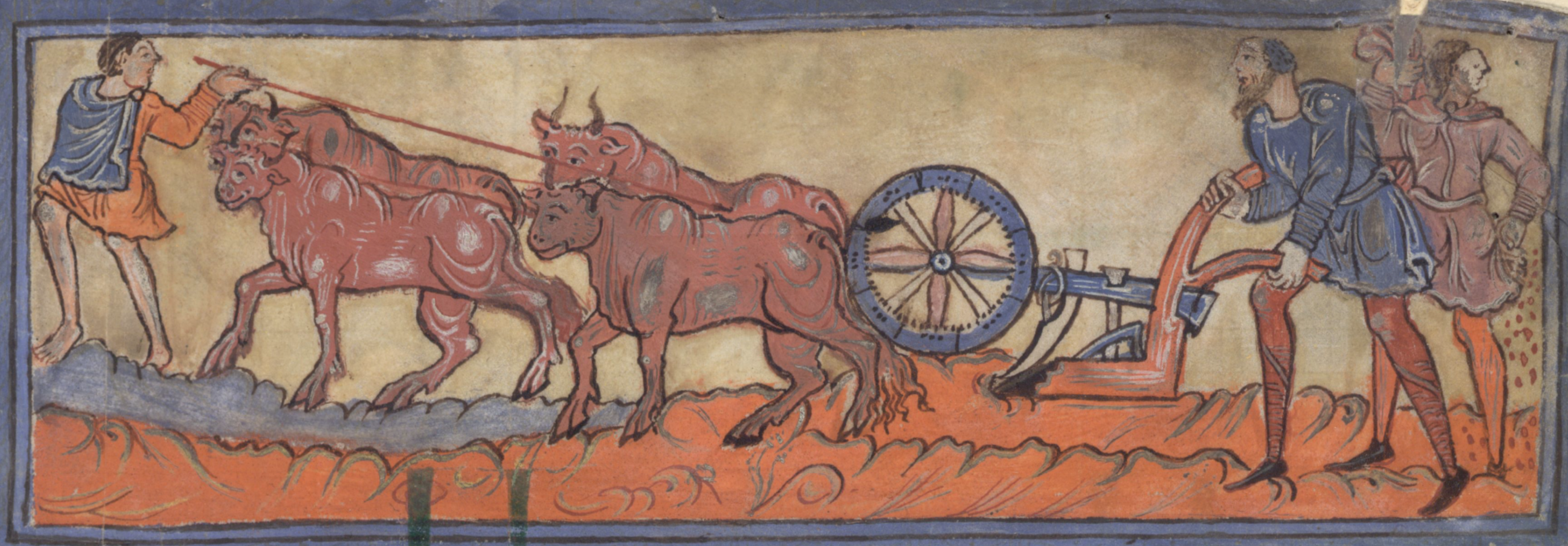
sulh, n.n: plough. (SUL’H / ˈsʌlx)
lǣce-seax, n.n: surgical knife. (LATCH-uh-SEH-ox / ˈlæː-tʃə-ˌsɛaks)

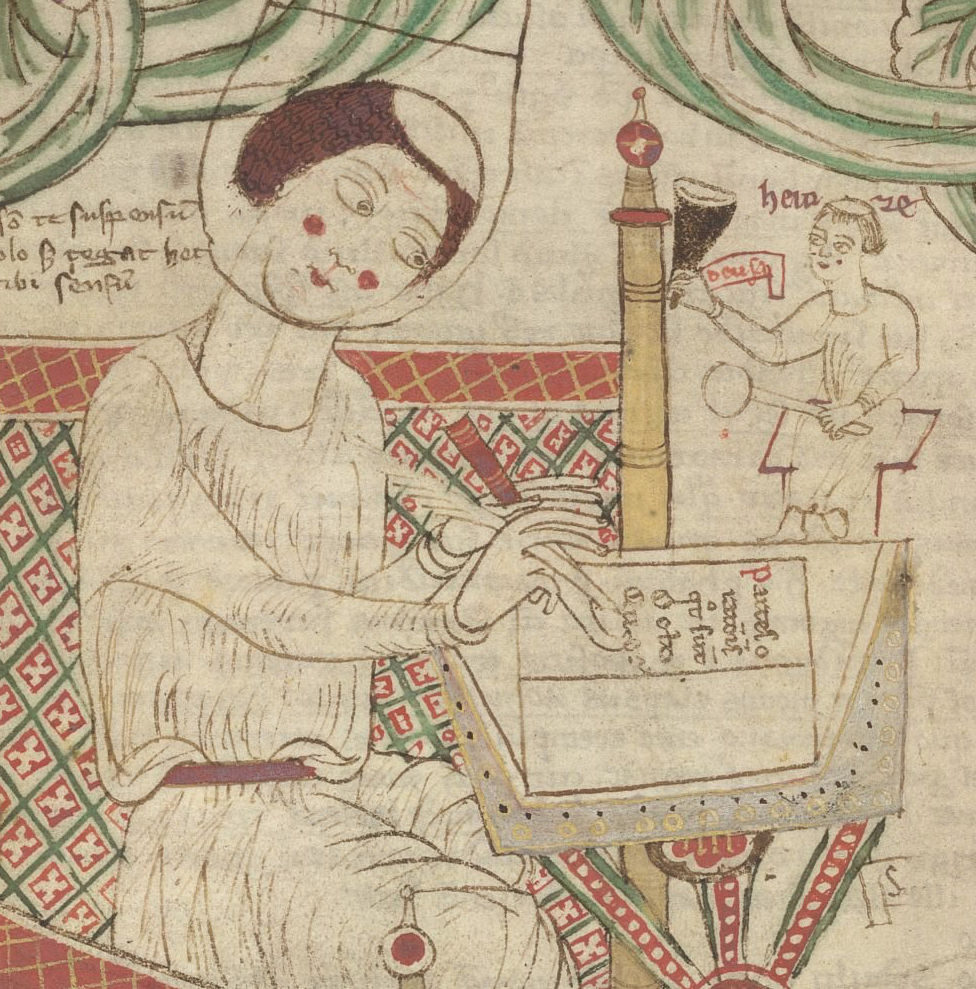
wrīting-feþer, f.n: pen (writing-feather). (WREE-ting-FEH-ther / ˈwriː-tɪŋ-ˌfɛ-θɛr)
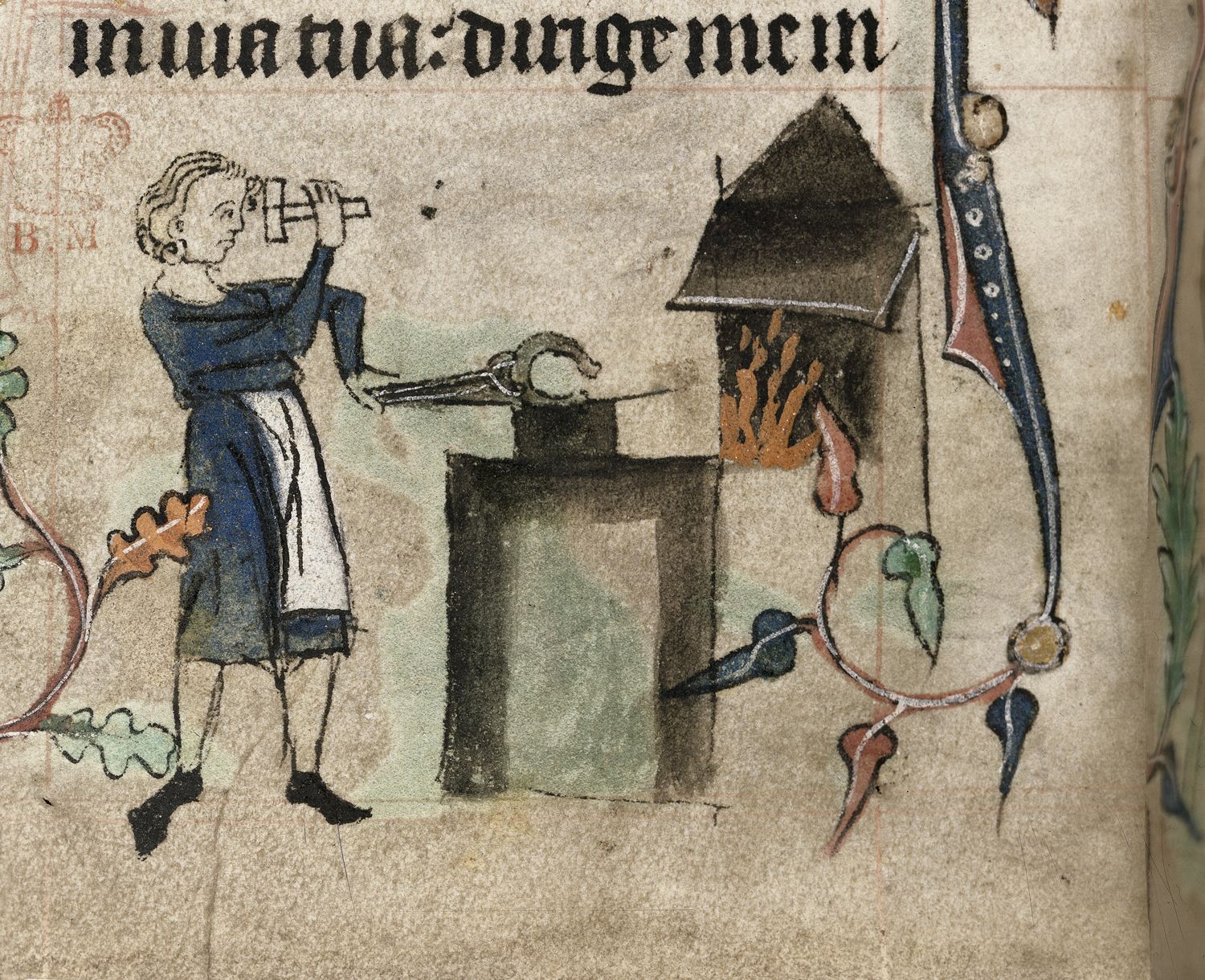
īren-gelōma, m.n: iron implements. (EE-ren-yeh-LO-ma / ˈiː-ɹɛn-jɛ-ˌloː-ma)
geafel, m.n: fork. (YEH-ah-vel / ˈjɛa-vɛl)
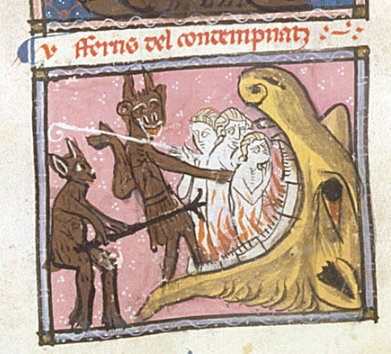
fīr-scofl, f.n: a fire-shovel. (FEER-SHOV-ull)

