Dorwit-ceaster, f.n: Canterbury. (DOR-wit-CHEH-ah-stur / ˈdɔɹ-wɪt-ˌtʃɛa-stər)
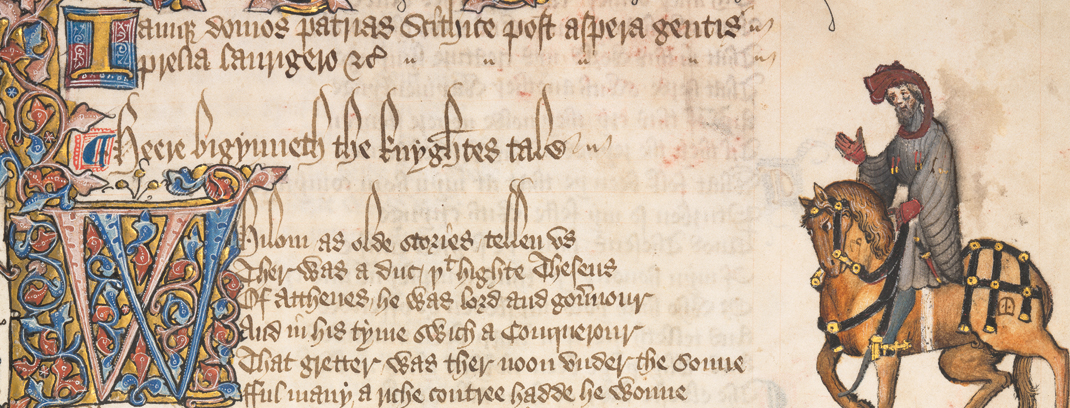
Dorwit-ceaster, f.n: Canterbury. (DOR-wit-CHEH-ah-stur / ˈdɔɹ-wɪt-ˌtʃɛa-stər)
eard, m.n: land, country, region, dwelling, home; earth or land; state, station, condition. (EH-ard / ˈɛaɹd)
feor-lond, n.n: a far country, distant land. (FEH-or-LOND / ˈfɛɔɹ-ˌlɔnd)
rysc-rīþig, n.n: a stream in which rushes grow. (RUSH-REE-thih / ˈɹɝʃ-ˌɹiː-θɪj)
Swēo-rīce, n.n: Sweden. (SWAY-oh-REE-chuh / ˈsweːɔ-ˌɹiː-tʃə)
pytt, m.n: a pit, hole in the ground, a grave. (PUT / ˈpɝt)
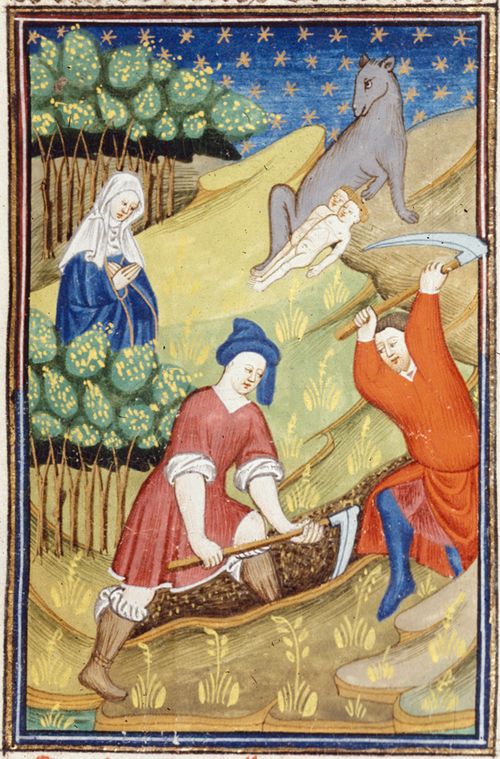
hruse, f.n: the earth, ground. (HRUH-zuh / ˈhɹʌ-zə)
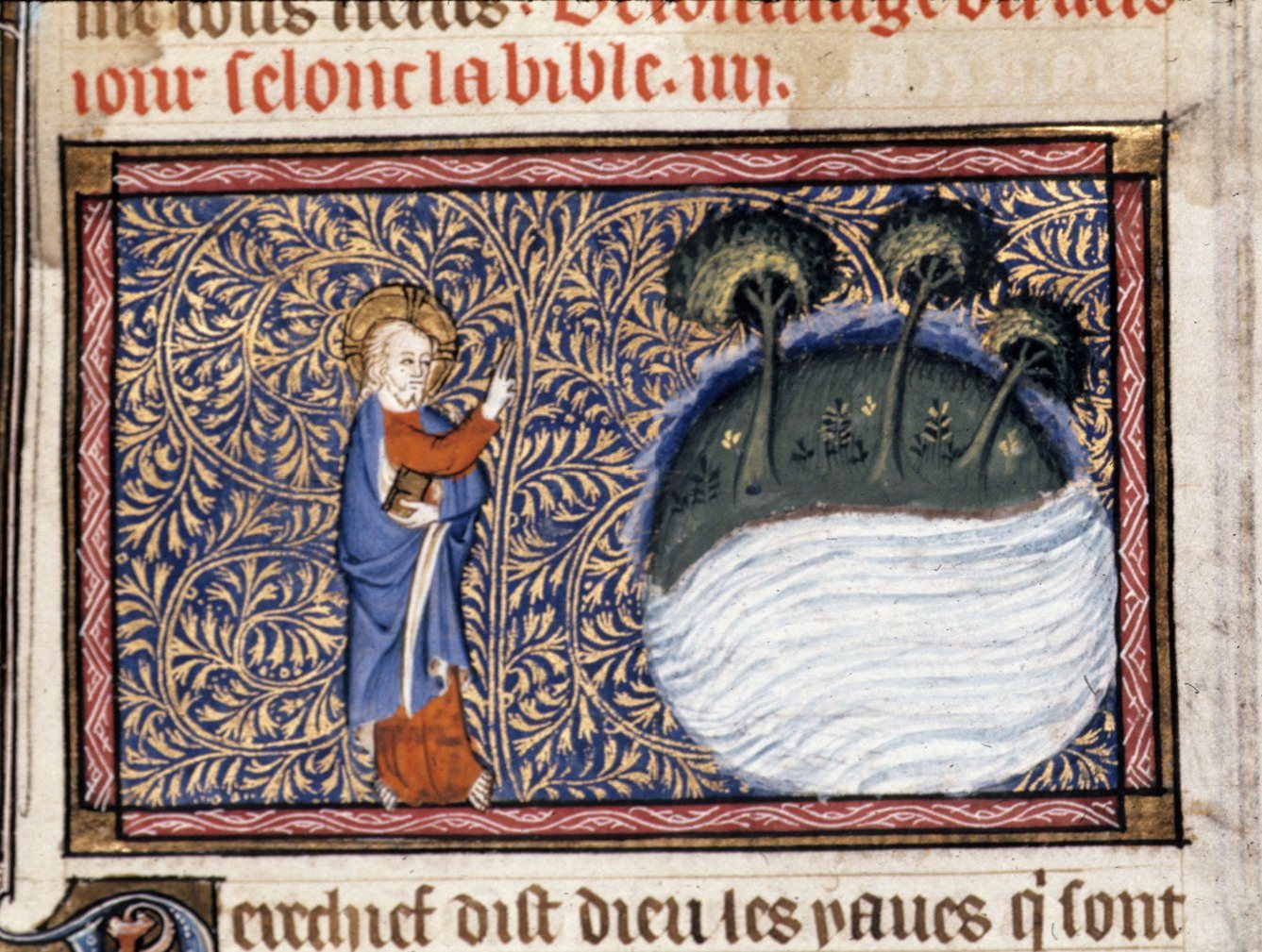
cōfa, m.n: a cove, cave, repository, inner room, chamber, ark. (KO-va / ˈkoː-va)
mīl-pæþ, m.n: a road along which miles are reckoned. (MEEL-PATH / ˈmiːl-ˌpæθ)
sunn-set, n.n: the place where the sun sets, the west. (SUN-SET / ˈsʌn-ˌsɛt)
 Old English Wordhord