mægþ, f.n: a maid, virgin, girl, maiden, woman. (MA-eyth)
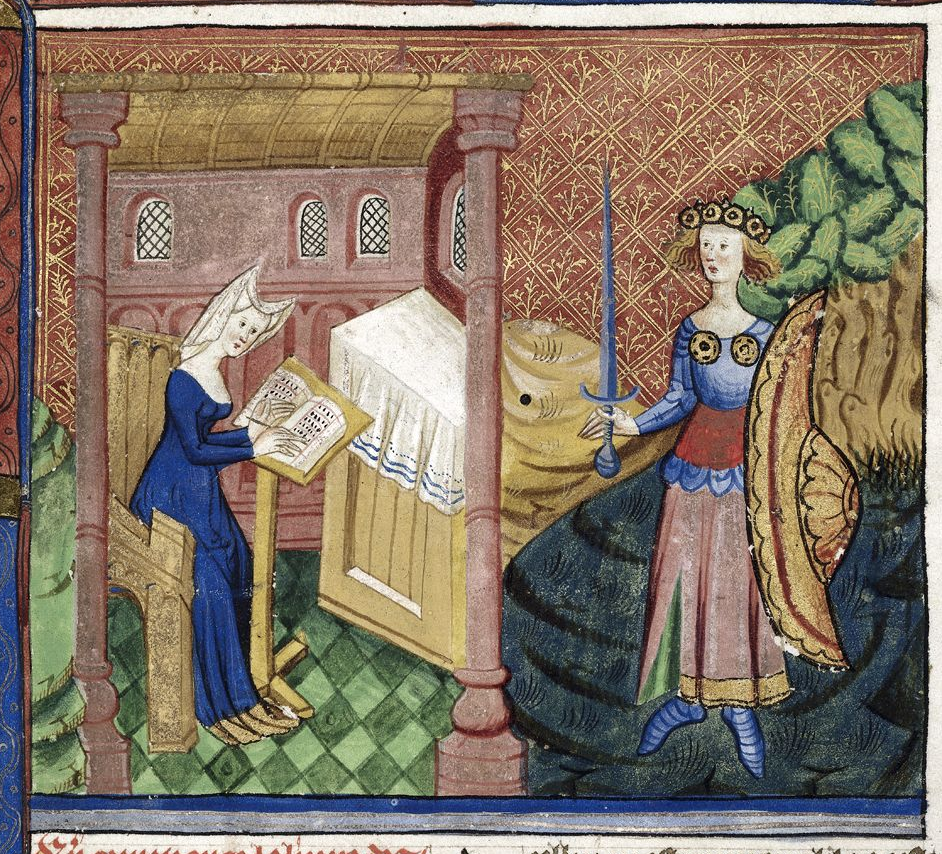
mægþ, f.n: a maid, virgin, girl, maiden, woman. (MA-eyth)
plegestre, f.n: a female athlete. (PLEH-yez-treh)
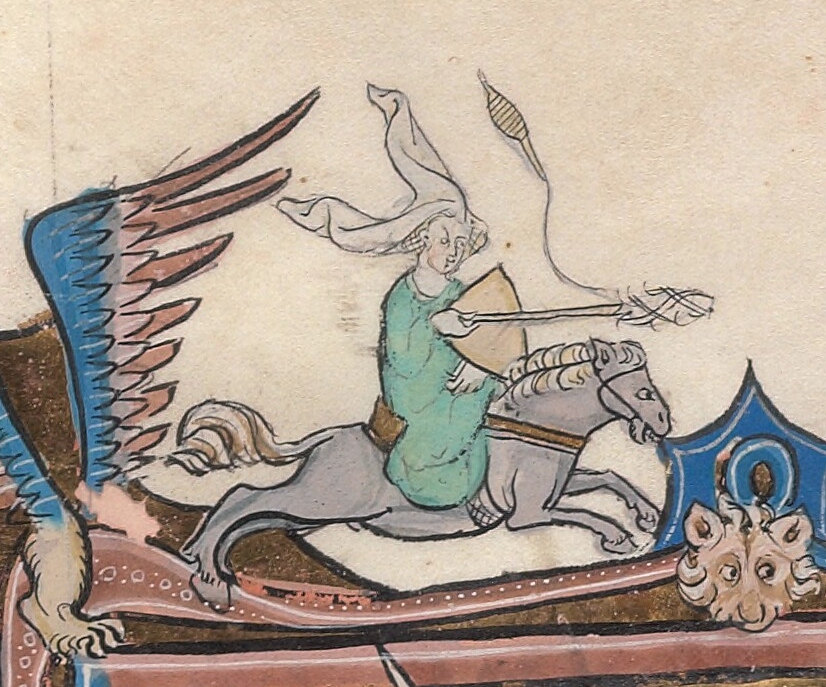
magu-þegn, m.n: a thane, vassal, follower, retainer, warrior, servant. (MA-guh-THAYN)
byrle, m.n: one who pours out drink, cup-bearer. (BUR-leh)
This week’s Wordhord Wednesday post is Riding sea-horses to heaven. Read it on Patreon.

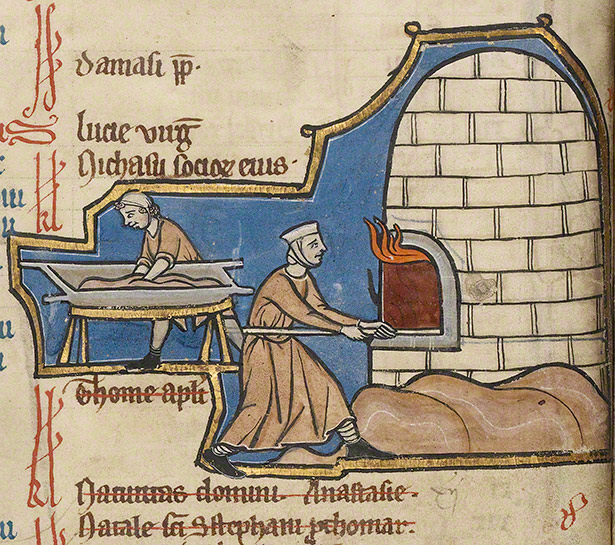
bæcestre, f.n: a baker; (specifically) female baker. (BACK-es-truh / ˈbæ-kɛs-trə)
flītere, m.n: contentious person, disputer. (FLEET-eh-reh)
port-cwēn, f.n: a prostitute. (PORT-KWAIN)
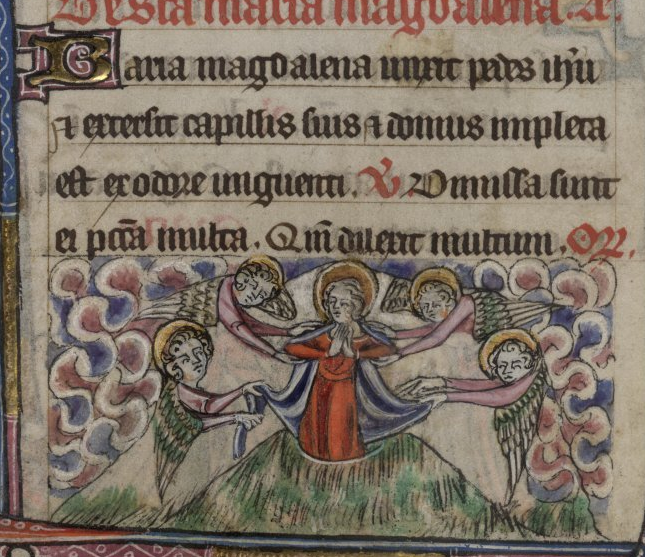
ofer-genga, m.n: one who goes over or beyond, a traveller. (OH-ver-GENG-ga / ˌɔ-vɛr-ˈgɛŋ-ga)
ealo-wōsa, m.n: drunkard, swiller of ale. (AY-ah-lo-WO-za)
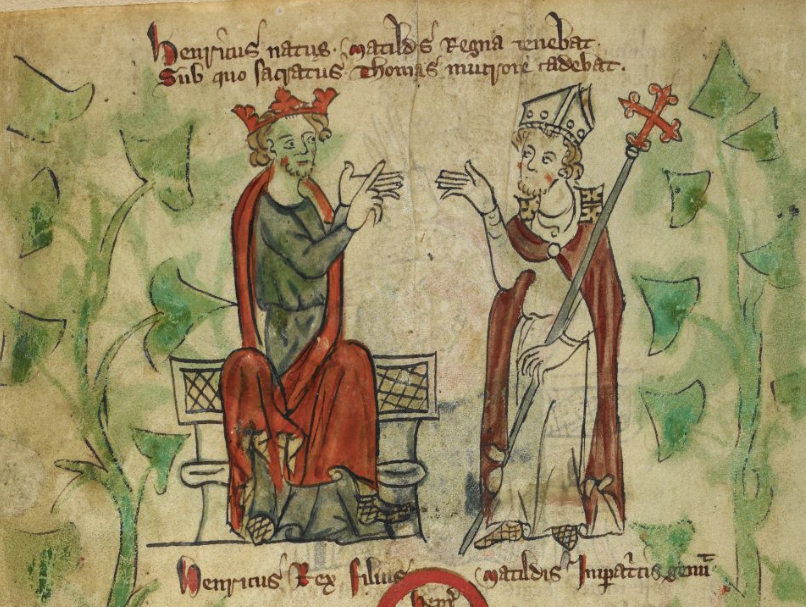
cyning, m.n: a king, monarch, male sovereign; God, Christ. (KUE-ning / ˈky-nɪŋ)


![[brbl-media.library.yale.edu]](https://brbl-media.library.yale.edu/images/1020584_quarter.jpg)