esne-wyrhta, m.n: a hireling, mercenary. (EZ-neh-WURH-ta)
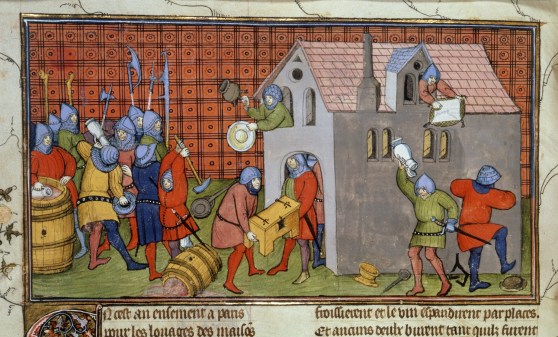
Chroniques de France ou de St Denis (from 1270 to 1380). France (Paris), late 14th century (after 1380). British Library, Royal 20 C VII, f. 41v. [bl.uk]
esne-wyrhta, m.n: a hireling, mercenary. (EZ-neh-WURH-ta)
Chroniques de France ou de St Denis (from 1270 to 1380). France (Paris), late 14th century (after 1380). British Library, Royal 20 C VII, f. 41v. [bl.uk]
sige-cwēn, f.n: victory-queen, victorious queen. (SIH-yuh-KWAIN / ˈsɪ-jə-ˌkweːn)

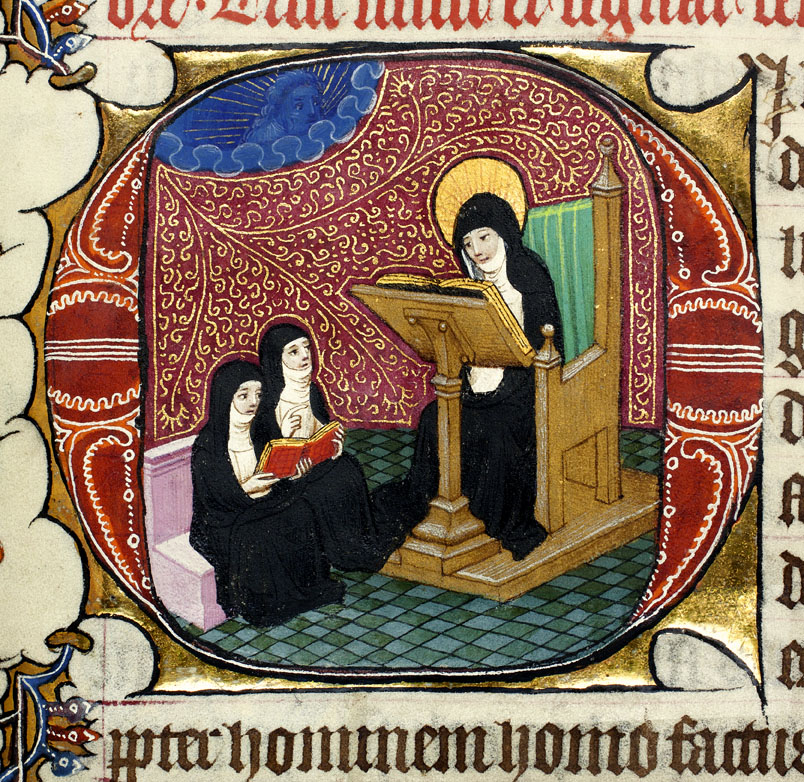
nunne, f.n: a nun. (NUN-nuh / ˈnʌn-nə)
This week’s Wordhord Wednesday post is on St Augustine’s arrival in England. Read it on Patreon.
hǣmed-ceorl, m.n: a married man. (HAM-ed-CHAY-orl)
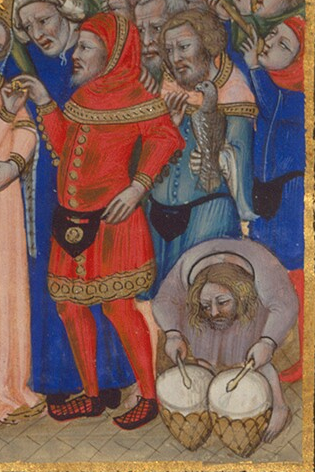
Detail of groom. Miniature on vellum by Niccolò di Giacomo da Bologna, 1350s. Washington, DC, Rosenwald Collection 1961.17.5. [nga.gov]
hǣmed-wīf, n.n: a married woman. (HAM-ed-WEEF)
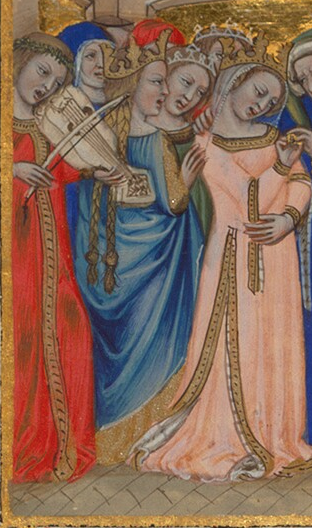
Detail of bride and musicians. Miniature on vellum by Niccolò di Giacomo da Bologna, 1350s. Washington, DC, National Gallery of Art, Rosenwald Collection 1961.17.5. [nga.gov]
gliew-mēden, n.n: a glee-maiden, female musician. (GLIH-ew-MAY-den)
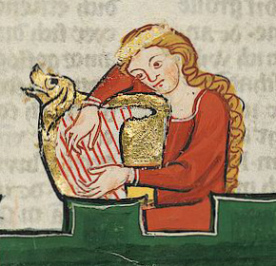
Woman playing a harp in the Codex Manesse. Zurich, c. 1300-c. 1340. Universitätsbibliothek Heidelberg, Cod. Pal. germ. 848, f. 412r. [digi.ub.uni-heidelberg.de]
frēo, adj: free, having liberty or immunity, noble, glad, joyful. Also, m.n: a lord, master. Also, f.n: a lady, woman. (FRAY-oh)
Read more about this word in this week’s Wordhord Wednesday post on Patreon.
hearpestre, f.n: a female harper. (HAY-arp-est-reh)
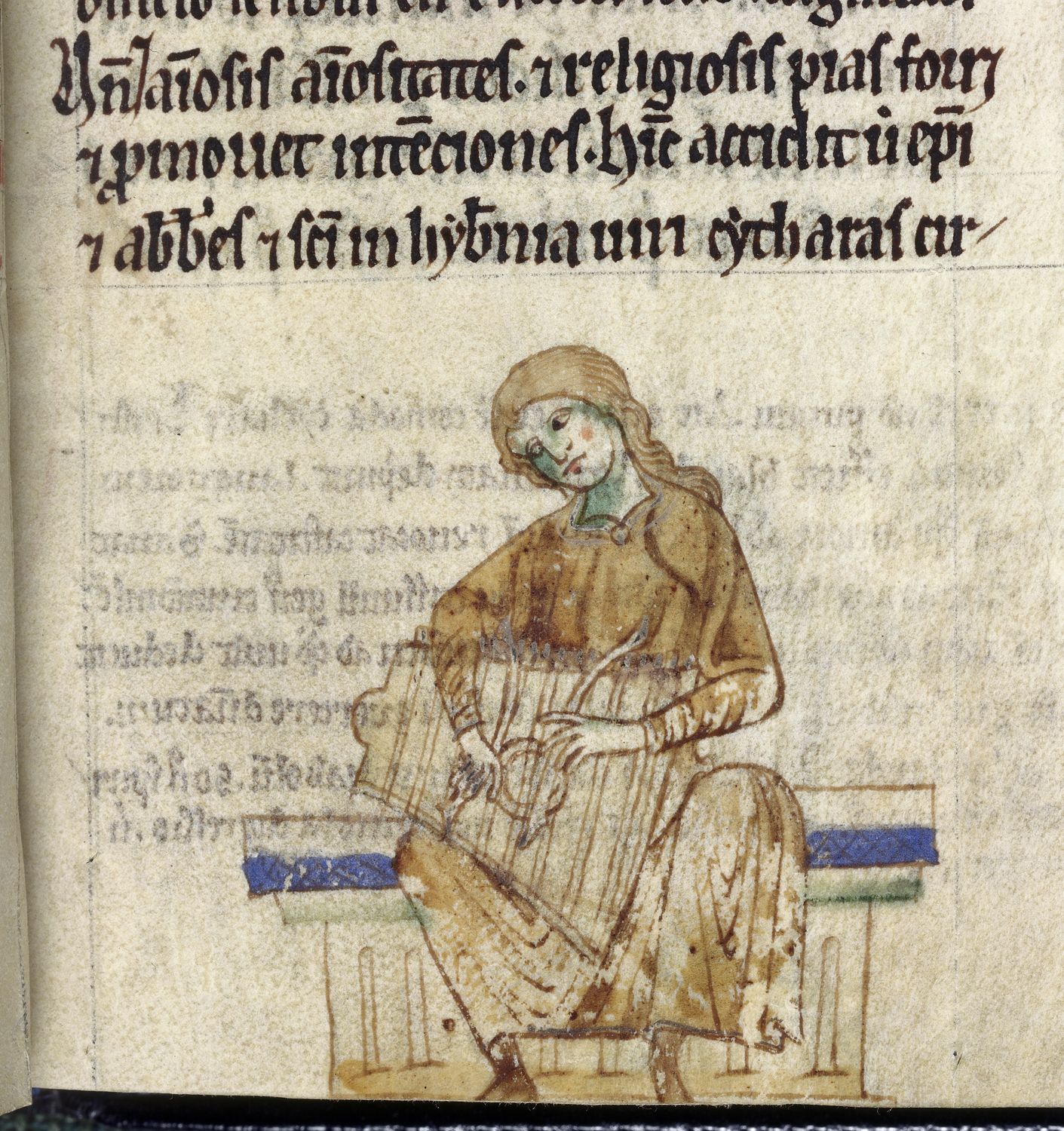
A woman playing a harp. Gerald of Wales’s Topographia Hiberniae. England, N. (Lincoln?), c. 1196-c. 1223. British Library, Royal 13 B VIII, f. 26r. [bl.uk]
hearpere, m.n: a harper. (HAY-arp-eh-reh)
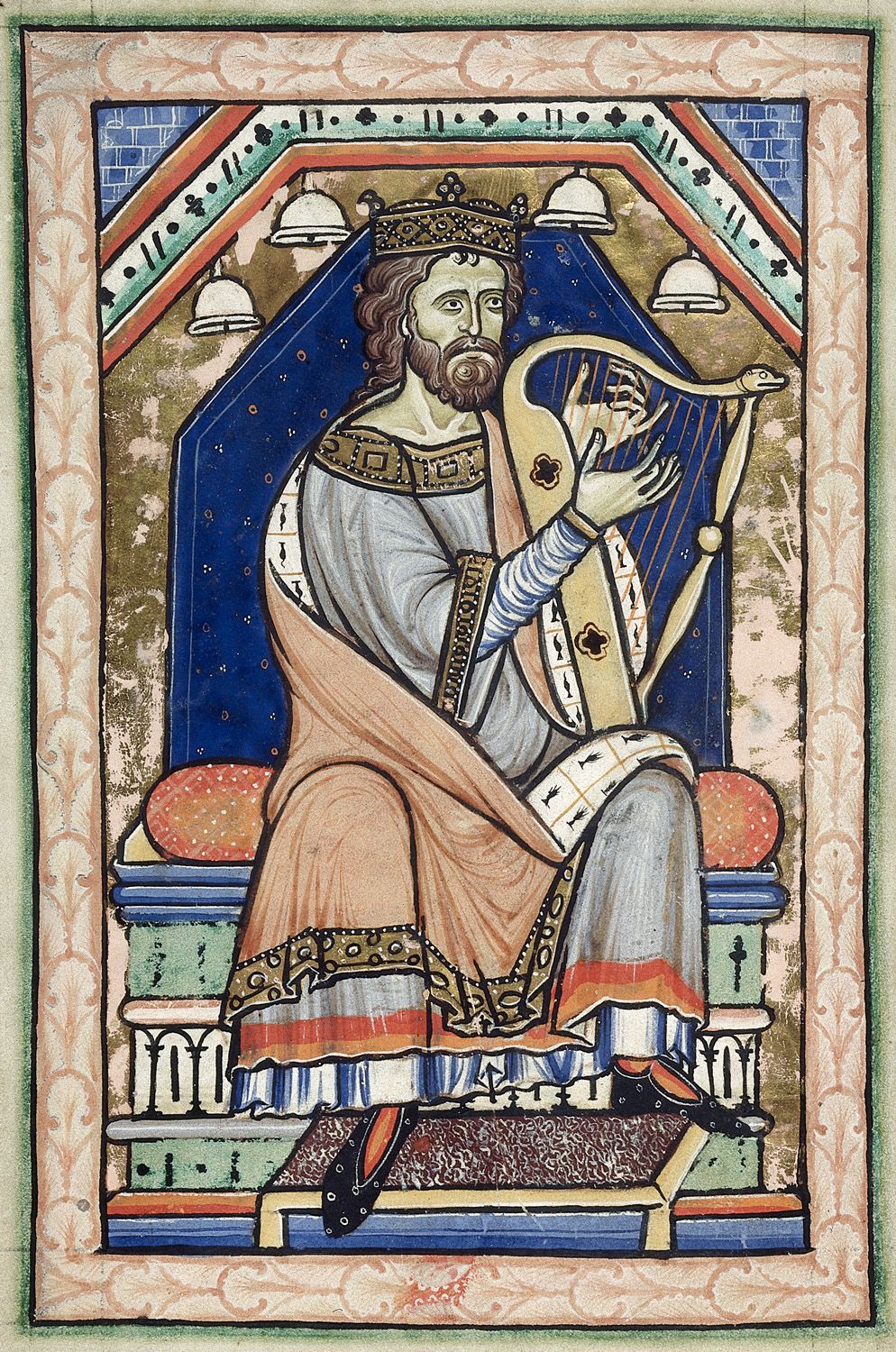
David playing the harp in the Westminster Psalter. S. England (Westminster or St Albans), c. 1200. British Library, Royal 2 A XXII, f. 14v. [bl.uk]
mēowle, f.n: a maid, damsel, virgin, woman. (MAY-oh-leh)
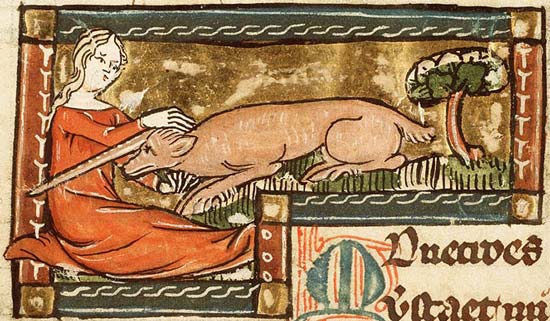
A unicorn resting its head in a maiden’s lap. Most depictions of this scenario have a hunter stabbing the poor unicorn but in this image we can imagine the two are simply good friends. Jacob van Maerlant’s Der Naturen Bloeme. Flanders, c. 1350. Hague, Koninklijke Bibliotheek, KB, KA 16, f. 63r. [bestiary.ca]
 Old English Wordhord