tīn-wintre, adj: ten years old; ten years long. (TEEN-WIN-truh / ˈtiːn-ˌwɪn-trə)
Category Archives: measuring
þrī
þrī, n/adj/numeral: three. (THREE / ˈθriː)

hwēol-lāst
hwēol-lāst, m.n: the track left by a wheel; a completed cycle, a recurrent round, circuit or orbit. (HWAY-oll-LAHST / ˈhweːɔl-ˌlaːst)
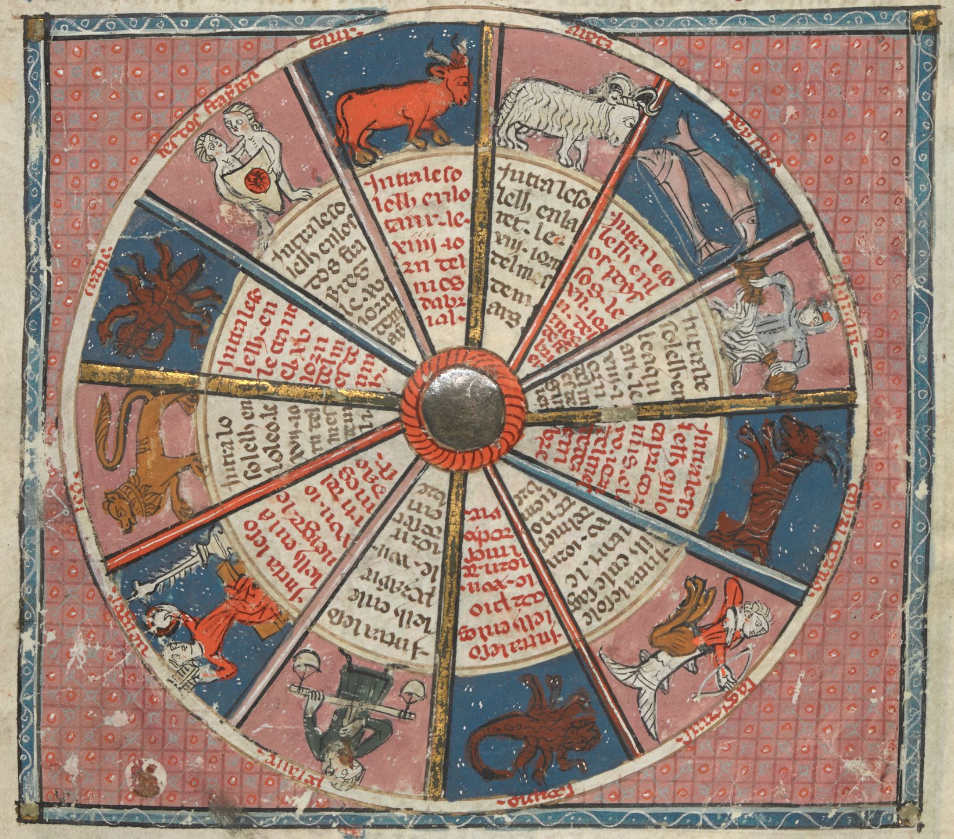
lang-līfe
lang-līfe, adj: long-lived; long-lasting. (LAHNG-LEE-vuh / ˈlaŋ-ˌliː-və)
eahta
eahta, n/adj/num: eight (8). (EH-ah-ta / ˈɛax-ta)
One week from today is the Wordhord’s 8th birthday… and what better way to celebrate than by releasing The Wordhord: Daily Life in Old English? Find out more!
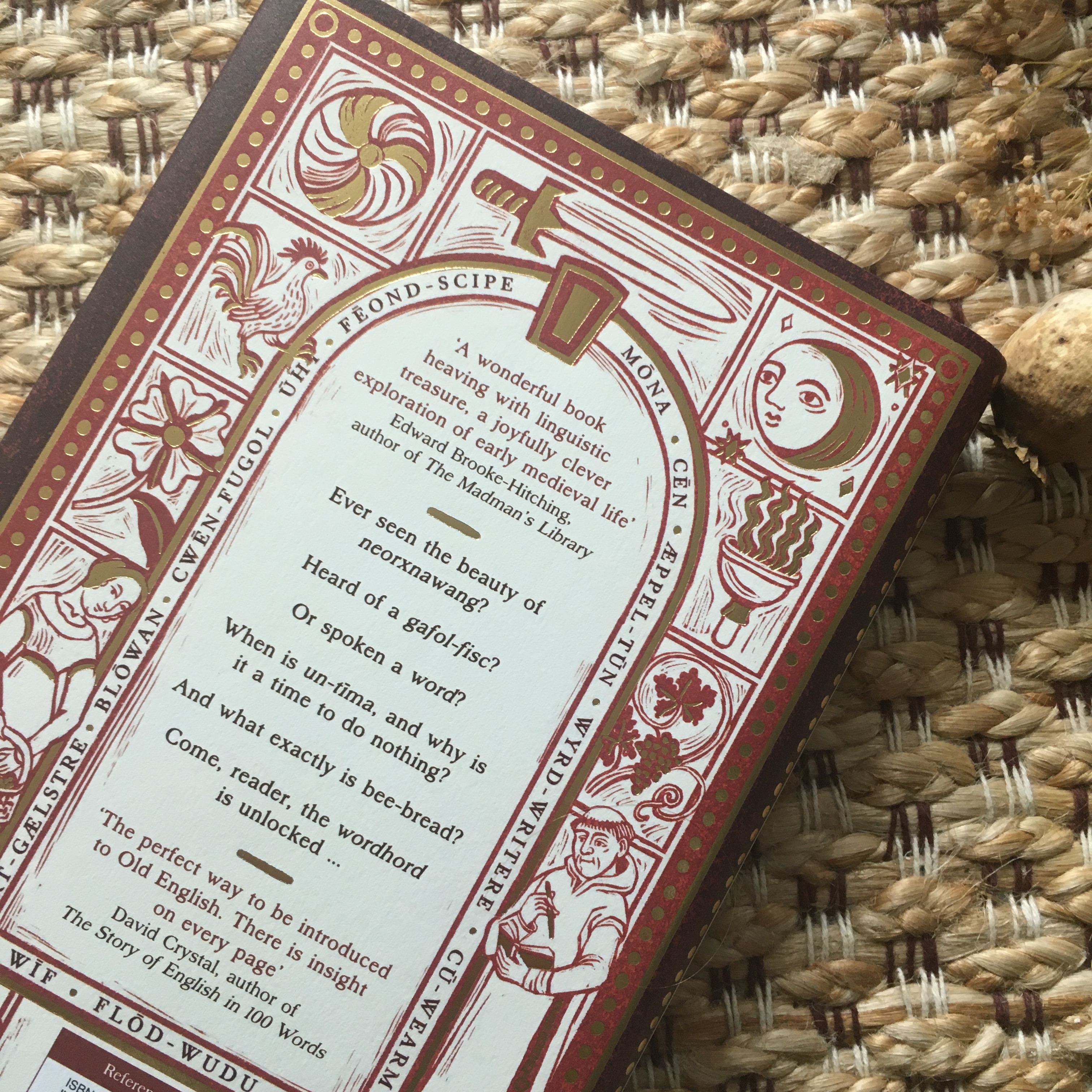
snǣd-mǣlum
snǣd-mǣlum, adv: by bits, a bit at a time. (SNAED-MAE-lum / ˈsnæːd-ˌmæː-lʌm)
This week’s Wordhord Wednesday post is on King Alfred, over-eater and bread-burner. Read it on Patreon.
hwīl-þrāg
hwīl-þrāg, f.n: period of time. (HWEEL-THRAWGH / ˈhwiːl-ˌθraːx)
How old is Old English? Have a look at the Wordhord App’s timeline to see English phrases going back 1500 years! Download for iOS on the App Store.
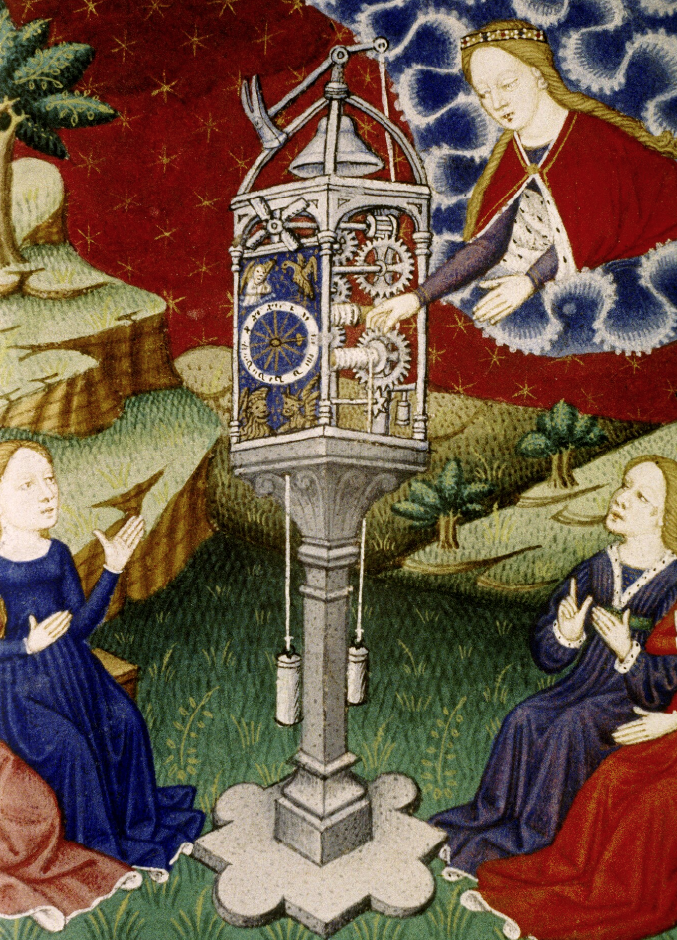
ende
ende, n: end. (EN-duh / ˈɛn-də)
un-gnīðe
un-gnīðe, adj: not scanty, liberal, abundant. (un-G’NEE-theh / ʌn-ˈgniː-θɛ)
This week’s Wordhord Wednesday post is on noble smells to live by. Read it on Patreon.
first-mearc
first-mearc, m/f.n: an interval of time. (FIRST-MEH-ark / ˈfɪɹst-ˌmɛaɹk)
 Old English Wordhord